In a world where precision and cleanliness drive innovation, the automotive industry is racing toward a future replete with advanced cleanroom technologies. As manufacturers strive for higher standards of quality and efficiency, cleanrooms have emerged as pivotal environments where contamination is meticulously controlled and automotive parts are crafted to perfection.
Cleanrooms are no longer just sterile spaces; they represent a cornerstone of modern manufacturing where intricate processes meet stringent regulatory requirements. The push for electric vehicles (EVs) and increased automation necessitates a reevaluation of cleanroom design, using the correct cleanroom supplies, wearing lint-free clearnoom apparel, and integrating cutting-edge technologies that enhance operational efficacy while maintaining critical compliance standard.
This article will explore the future of cleanrooms within the automotive sector, highlighting key advances in technology, addressing potential challenges in implementation, and examining the impact of evolving trends. Join us as we delve into the transformative role of cleanrooms in shaping the automotive landscape of tomorrow.
The Importance of Cleanrooms in Automotive Manufacturing
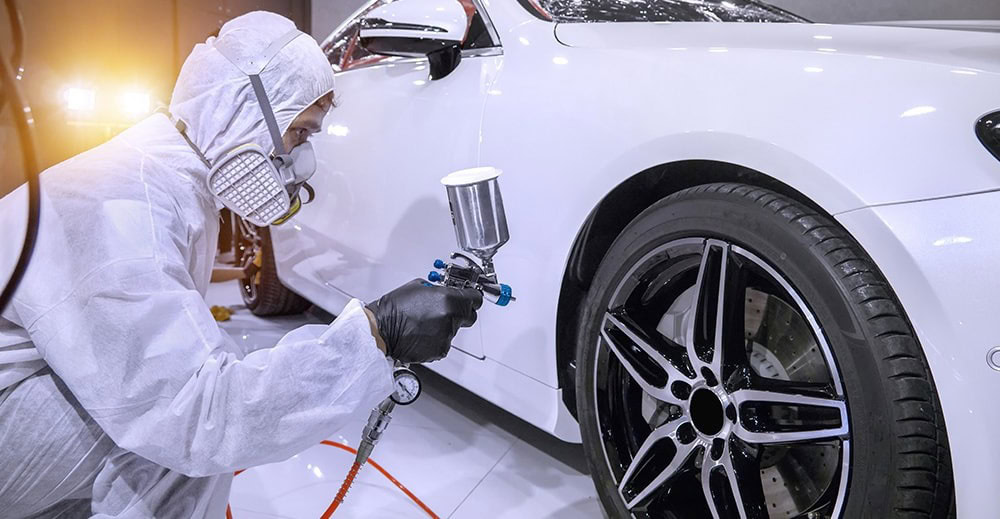
Cleanrooms play a vital role in the automotive industry by minimizing contamination during manufacturing, assembly, and testing processes. These controlled environments adhere to strict ISO classifications, typically ranging from Class 5 to Class 8, to effectively manage airborne particles and ensure the integrity of automotive components. Even microscopic dust particles can result in defects or malfunctions, underscoring the importance of maintaining cleanliness. Every aspect of maintaining the dust-free air is crucial, and that starts with using lint-free cleaning wipes, wearing protective lint-free coveralls over your clothing, along with wearing particle-free cleanroom gloves when working on the automobiles.
The use of cleanrooms facilitates precise and efficient production while ensuring consistency in product quality. This controlled environment reduces manufacturing time, decreases waste, and ultimately leads to cost savings for automotive manufacturers. Compliance with standards such as ISO 9001 is crucial for maintaining quality control, which is seamlessly supported by cleanroom practices. When working in static-sensitive areas such as where automotive electronics or sensors are being manufactured, its recommended to wear anti-static coveralls, anti-static nitrile gloves along with anti-static polyester carbon fiber lint-free cleanroom wipes.
Automotive cleanroom environments are essential for the production of sensitive components, such as computerized and electronic parts. By minimizing contamination risks, cleanrooms preserve the quality and reliability of these critical components. Automotive manufacturers benefit from reduced defects and enhanced product performance, maintaining trust and satisfaction among consumers.

Key Advances in Cleanroom Technology
Cleanroom technology has revolutionized the automotive industry by providing a controlled manufacturing environment that prevents defects in parts production. By regulating factors such as dust, airborne particles, air pressure, static, temperature, and humidity, cleanrooms ensure high-quality production. Compliance with standards like ISO 9001 and ISO/TS 16949 is achieved through these sterile settings, crucial for maintaining quality control in critical components.
Modular Cleanroom Solutions
Modular cleanrooms offer tailored designs that meet specific classification requirements, improving efficiency in automotive manufacturing. They provide a controlled setting for assembly, painting, and finishing, significantly reducing contamination risks. These cleanrooms typically adhere to ISO Class 5-8 standards, using advanced air filtration systems and HVACs to regulate environmental conditions. The adoption of modular solutions reduces manufacturing and cleanup times, ensuring consistent quality and design while decreasing waste and costs.
Environmental Monitoring Systems
Environmental monitoring systems are key in maintaining the controlled conditions in automotive cleanrooms. By tracking airborne particles, temperature, humidity, and static levels, these systems uphold product quality. Compliance with ISO standards like ISO 21501-4 and ISO 16444 ensures the reliability of these systems. Proper monitoring minimizes contamination and reduces manufacturing times, leading to cost savings and enhanced product performance.
Specialized Cleanroom Packaging
Specialized cleanroom packaging, including bags, films, and tubing, is tailored to stringent ISO standards to mitigate contamination risks. Products like cleanroom bags offer custom solutions in material and design, ensuring safety and compatibility with sensitive electronic devices. ESD bags provide essential protection for electronics during transportation, notably crucial for the production of EV batteries. Cleanroom packaging is integral to maintaining efficiency, safety, and longevity in battery assembly and manufacturing processes.
Compliance with Automotive Cleanroom Classifications
In the automotive industry, maintaining a cleanroom environment is crucial for ensuring product quality and safety. Cleanrooms must adhere to ISO Classifications ranging from Class 1 to Class 9, with most automotive applications falling between ISO Classes 5-8. These classifications regulate particle sizes and numbers, air change rates, and fan filter unit ceiling coverage to minimize contamination risks.
Automotive cleanroom compliance often requires adherence to standards like ISO 9001 or ISO/TS 16949. These standards ensure rigorous quality control measures in manufacturing processes, critical for the integrity of sensitive components such as electronic and battery components. Effective contamination control helps maintain the quality and consistency of products across the supply chain.
Regulating cleanliness within these environments reduces the likelihood of defects and ensures the integrity of critical components. This adherence to ISO 14644-1 standards plays a vital role in safeguarding the performance and safety of automotive products, particularly in applications involving computerized and electronic components. Using the proper cleanroom cleaning products, including cleanroom mopping systems, anti-static cleaning chemicals and anti-static foam cleanroom tacky rollers.

Challenges in Cleanroom Implementation
Maintaining a cleanroom environment in automotive manufacturing is essential to minimize contamination risks. Even small airborne particles can lead to defects or malfunctions in critical components like engines and electronics. Effective cleanroom design involves controlling variables such as dust, static, and humidity to ensure product consistency and quality.
Adhering to stringent regulations like ISO 9001 and ISO/TS 16949 is crucial in automotive cleanrooms. These standards mandate robust quality control measures to maintain the integrity of sensitive components. Design choices, such as the use of airtight doors and efficient pass-throughs, are vital in preventing contamination.
Efficient air filtration systems, including HEPA or ULPA filters, are necessary to manage particulate contamination. Even a micron of dust can cause significant damage during automotive production, highlighting the importance of strict control measures in cleanroom environments.
Meeting VDA Standards
Compliance with VDA standards is essential in automotive cleanrooms. Processes like washing, ultrasonic cleaning, or wiping workpieces ensure products meet these standards before entering the cleanroom. Overpressure in clearance areas minimizes cross-contamination by pushing clean air outward.
Using air-flow conveyors and pass boxes during transport helps maintain contamination-free conditions, adhering to VDA standards. Third-party qualification post-construction ensures that cleanrooms meet VDA standards and contractual obligations.
Protective Apparel Requirements
Protective apparel is integral to maintaining a cleanroom’s controlled environment in automotive manufacturing. Gowning areas with anterooms and proper attire like cleanroom masks, gloves, and cleanroom suits prevent personnel from introducing contaminants.
Disposable lint-free clearoom clothing enhances the cleanliness of controlled environments. Implementing gowning and de-gowning procedures at designated entry points limits contamination risks. Proper selection of attire aids in meeting cleanroom standards and contributes to overall quality control in the automotive sector.
Maintenance and Prevention Strategies
Regular maintenance and cleaning schedules are crucial in automotive cleanrooms to prevent contaminants from affecting manufacturing processes. These schedules ensure that the cleanroom environment remains optimal for producing sensitive components like electronic and automotive components. Approved cleaning agents and methods should be used to maintain sterile conditions without compromising the cleanroom environment.
Personnel must receive thorough training on cleanroom protocols and gowning procedures to minimize the risk of contamination. This training is essential for maintaining the integrity of sensitive manufacturing operations, such as battery production in a battery manufacturing facility. Detailed documentation of processes, procedures, and maintenance activities is vital for compliance, helping track the integrity of cleanroom operations.
Incorporating energy-efficient technologies can reduce the environmental impact of cleanrooms and promote sustainability in the automotive industry. Such practices support the long-term viability of modular cleanrooms and maintain the effectiveness of filtration systems vital for controlling airborne particles and achieving desired ISO cleanroom classifications. Emphasizing energy efficiency also ensures that automotive applications remain aligned with environmental goals without compromising on quality.

Electric Vehicles (EVs) in Cleanroom Evolution
The automotive industry is increasingly relying on cleanroom environments to meet the stringent quality standards required for EV battery manufacturing. Cleanrooms help control the concentration of airborne particles, which is crucial for preventing contamination in the cell manufacturing process. With the need for high precision and safety, battery production facilities often operate under ISO class 5 or class 6 cleanroom classifications. Cleanroom Connection stocks a complete selection of ISO class 5 and ISO class 6 cleanroom products including apparel, cleaning supplies and related products.
Regular monitoring and cleaning in these controlled environments ensure the integrity of battery components. This meticulous approach is vital for sustaining battery performance and safety. The international standard ISO 14644-1 guides automotive manufacturers in maintaining these critical environments by dictating acceptable particle sizes and filtration systems.
As the demand for clean and sustainable transportation grows, cleanroom technology becomes integral to automotive applications. The evolving role of modular cleanrooms, particularly in maintaining a contamination-free atmosphere, underscores their importance. Effective cleanroom projects help reduce the risk of contamination, ensuring a wide range of sensitive electronic and electrical components meet strict quality controls.
The evolution of cleanrooms in the automotive sector is not just about enhancing current manufacturing processes but also about paving the way for a cleaner future in electric vehicle technology.
Trends & Innovations in Cleanroom Design
The automotive industry is increasingly turning to modular cleanroom designs, which can be tailored to specific cleanroom classification requirements. This trend enhances adaptability and scalability within production environments, particularly critical in the evolving landscape of electric vehicle (EV) battery production. Standard features like static control systems, laminar airflow, and large cleanroom doors address unique challenges in automotive manufacturing.
Design strategies focus on meticulous planning to minimize particle introduction and retention. Spaces are divided into zones to prevent cross-contamination and ensure a controlled workflow. Compliance with stringent standards such as ISO 9001 and ISO/TS 16949 drives cleanroom innovation, maintaining stringent quality control and preventing defects in automotive components.
Advanced HVAC systems and filtration techniques are crucial in cleanrooms to maintain optimal cleanliness levels. Such innovation is vital as automotive technologies grow more complex and sensitive, particularly in EV battery manufacturing.
Enhanced Flexibility and Efficiency
Modular cleanrooms offer significant improvements in operational efficiency with swift installation times compared to standard construction methods. Factory-cut components and prewired electrical raceways reduce on-site construction mess, speeding up the setup process. Features like insulated wall systems contribute to energy efficiency by maintaining consistent temperatures.
Cleanroom designs incorporate elements like anterooms, gowning rooms, and air showers. These provisions streamline personnel and material movement, minimizing contamination risks. The controlled environment of cleanrooms reduces manufacturing and cleanup time, enhancing consistency in quality and design while decreasing waste.
Integration of Advanced Robotics and Automation
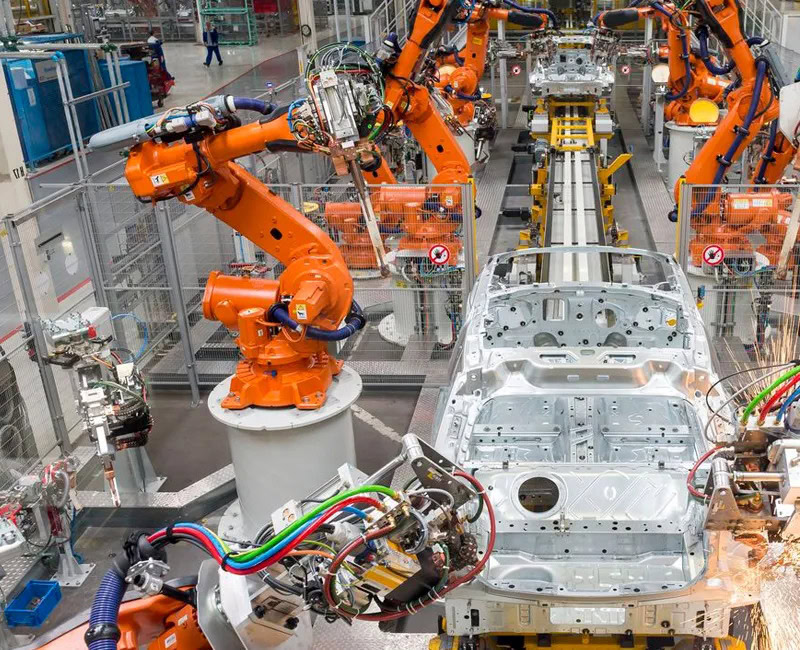
Cleanrooms help the automotive industry prevent defects in parts manufacturing, crucial for complex computerized components that improve reliability and fuel efficiency. Classification systems in automotive cleanrooms regulate cleanliness, ensuring high-quality standards throughout the supply chain.
Regular monitoring of particle counts and rigorous cleaning schedules maintain the integrity of manufactured components. Modular cleanrooms, with benefits like quick assembly and reconfigurable spaces, offer efficient and adaptable solutions for automotive manufacturers, enhancing overall production quality and safety.
The Impact of Cleanrooms on Automotive Supply Chains
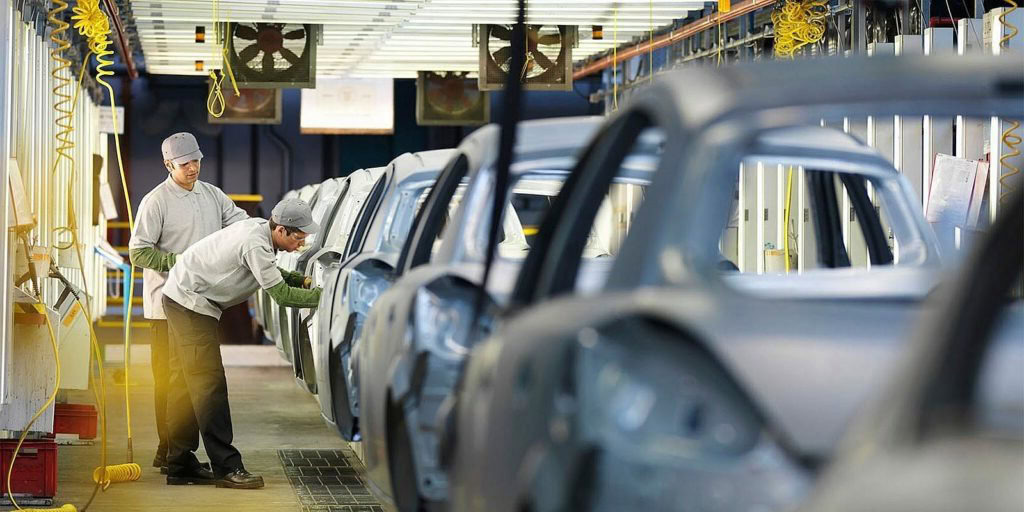
Cleanrooms play a pivotal role in the automotive supply chain by minimizing contamination, leading to increased productivity and efficiency. These controlled environments significantly reduce the need for rework and quality inspections, addressing issues related to dust, airborne particles, static, temperature, and humidity. By maintaining ISO-certified cleanrooms, automotive manufacturers comply with stringent quality and safety regulations, ensuring the production of reliable and safe vehicles. Cleanroom Connection is a trusted cleanroom supplier that rarely has any backorder issues and is able to allocate cleanroom products for their customers to ensure continuous supply.
The use of cleanrooms results in lower defect rates and heightened customer satisfaction owing to the enhanced quality and reliability of vehicles. Cleanrooms facilitate compliance with essential industry-specific standards, such as ISO 9001 and ISO/TS 16949, which are critical for manufacturing crucial automotive components. This control over environmental factors promotes a seamless manufacturing process and supports the integration of sensitive components like computerized and electronic systems.
Ultimately, cleanrooms are essential for maintaining the integrity of battery and electrical components, reducing the risk of contamination, and ensuring the overall success of automotive manufacturing. As a result, they are a strategic asset in optimizing the automotive supply chain and achieving high-performance standards across various automotive applications.
Conclusion: Staying Ahead in Automotive Manufacturing
The integration of cleanrooms in automotive manufacturing is crucial for maintaining high standards of quality and efficiency. By controlling airborne particles, these environments minimize the risk of contamination during critical processes like machining and assembly. This reduces the need for rework and lessens the frequency of quality inspections, thus enhancing overall productivity.
Adopting cleanroom technologies ensures consistent adherence to regulatory cleanliness standards, such as VDA and ISO, across the automotive supply chain. This commitment not only meets industry expectations but also directly impacts customer satisfaction. Vehicles produced in such controlled environments exhibit fewer defects, leading to increased safety and reliability.
To stay ahead in the automotive industry, manufacturers must continue to invest in advanced cleanroom environments and leverage modular cleanrooms to adapt to evolving demands. Embracing these measures not only safeguards the integrity of sensitive components but also positions manufacturers as leaders in innovation and quality.
Engaging with Cleanroom Technology Experts
Engaging with cleanroom technology experts is crucial for automotive manufacturers aiming to meet strict specifications and quality standards. These experts guide the design and construction of cleanrooms, enhancing maintenance reliability and energy efficiency. By leveraging their knowledge, manufacturers can ensure compliance with industry standards like ISO 9001 and ISO/TS 16949.
Modular cleanroom systems are frequently chosen in the automotive industry due to their adaptability and efficiency. These systems allow customization to exact specifications while reducing construction time and post-construction cleanup. Cleanroom design incorporates critical elements such as advanced air filtration and HVAC systems which maintain a contaminant-free environment essential for preventing defects.
A cleanroom environment controls factors like airborne particles, static, air pressure, temperature, and humidity, ensuring the integrity of sensitive automotive components. This is particularly important for projects involving electronic and electrical components, such as battery manufacturing. Consulting with experts ensures the automotive industry can reliably produce effective components in controlled, critical environments.
Summary of Key Points in Cleanroom Development
Automotive industry cleanrooms are vital for minimizing contamination and controlling environmental factors like airborne particles, static, temperature, and humidity. These cleanrooms comply with ISO 9001 and ISO/TS 16949 standards to ensure quality control in automotive manufacturing. Reach out to Cleanroom Connection at 800-616-5319 to chat with our automotive cleanroom experts.