
Keeping cleanroom environments free from contamination relies heavily on properly using cleanroom apparel, such as Tyvek suits and sterile coveralls. These specialty garments offer a protective barrier that prevents particles, microbes, and liquids from entering designated clean areas. Wearing and maintaining them correctly helps your cleanroom garments perform at their best, which means better protection for both products and team members.
This guide focuses on the essential steps for wearing, caring for, and troubleshooting Tyvek suits and sterile coveralls, helping you get the most out of your cleanroom apparel.
What Are Tyvek Suits and Sterile Coveralls?
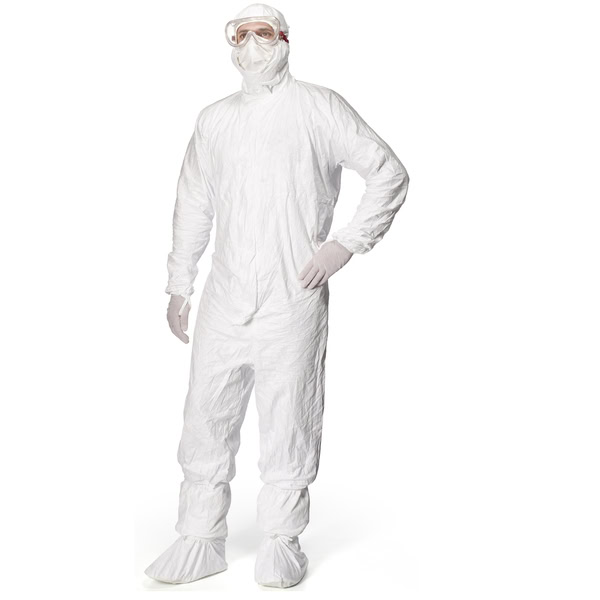
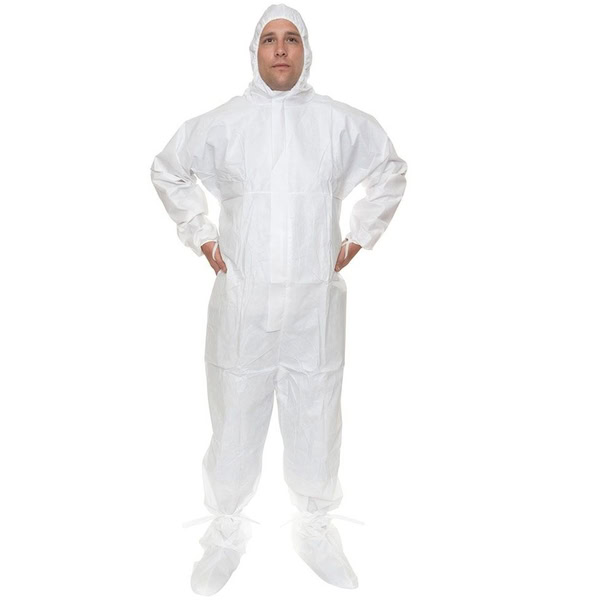
Tyvek suits are made from lightweight, durable, high-density polyethylene fibers. They’re breathable yet strong enough to shield against contaminants in environments such as pharmaceutical labs, biotech facilities, and electronics cleanrooms.
Sterile coveralls, like the LifeGuard Ultra-light Sterile Suit, offer similar protection but come pre-sterilized and packaged to meet stricter environmental needs. These suits are used in highly sensitive cleanrooms that require aseptic conditions, such as those found in surgical suites and sterile manufacturing facilities.
Both types serve as a physical barrier that reduces contamination from clothing and skin shedding.
How to Properly Don and Doff Tyvek Suits and Sterile Coveralls
Properly putting on (donning) and taking off (doffing) cleanroom suits is crucial to maintaining contamination control and protecting yourself and the environment. Follow these detailed steps carefully:
Donning (Putting On) Your Tyvek Suit or Sterile Coverall
- Prepare Yourself
Remove jewelry and ensure you’re wearing clothing appropriate for the cleanroom. Wash your hands thoroughly with antimicrobial soap. - Inspect the Suit
Before handling, check the suit or coverall for any damage, holes, or contamination. - Put on Shoe or Boot Covers (If Required)
Step into clean boot covers to protect footwear and prevent floor contaminants from entering the cleanroom. If your suit includes built-in shoe covers, move on to step 4. - Step Into the Suit
Open the suit fully and carefully step into it, one leg at a time. Pull the garment up to your waist gently to avoid tearing. - Insert Arms into Sleeves
Slide your arms into the sleeves, keeping movements smooth and controlled. - Zip Up and Secure
Close the zipper fully, from bottom to top, ensuring all fasteners such as snaps or Velcro are securely closed. - Put on the Hood or Head Covering
Place the hood over your head—or, if your hood is attached to the suit, pull it up carefully—covering all hair and overlapping with the collar of the suit. - Put on Face Mask or Respirator
Securely fit your face mask or respirator, checking for a proper seal. - Don Gloves
Put on cleanroom gloves, overlapping the glove cuffs over the suit sleeves to seal any gaps. - Final Check
Ensure all openings are sealed and the suit fits comfortably without restricting movement. Avoid touching the suit’s outer surface unnecessarily.

Doffing (Removing) Your Tyvek Suit or Sterile Coverall
Removing cleanroom apparel correctly is crucial to avoid contaminating yourself or the environment. While specific procedures may vary based on your facility’s cleanroom protocol and the type of personal protective equipment (PPE) used, follow these general best practices:
- Exit the Cleanroom to a Designated Doffing Area
Move to a designated space, such as a doffing room or anteroom, separated from the cleanroom to minimize contamination spread. - Remove Shoe Covers or Boot Covers (If Worn)
Carefully take off any shoe or boot covers, avoiding contact with the outer surfaces and the floor. - Remove Gloves (If Worn)
Peel gloves off inside out to contain contaminants and reduce exposure. - Remove the Coverall or Tyvek Suit
Unzip or unfasten the garment and carefully peel it away from your body, turning it inside out as you go to trap contaminants. Depending on the suit design, you may remove legs first, then the upper portion. - Remove Other PPE as Required
Remove any additional protective gear by handling straps or designated areas to avoid touching contaminated surfaces. - Perform Hand Hygiene Immediately After Removal
Wash and sanitize your hands thoroughly to eliminate any residual contaminants. - Dispose of or Store Garments Properly
Single-use suits and PPE should be discarded according to your facility’s waste protocols. Reusable garments should be placed in designated containers for laundering and sterilization.
Note: Always follow your facility’s specific cleanroom gowning and doffing protocols, as these may have additional or modified steps depending on contamination control requirements and PPE used.
Common Mistakes When Wearing and Maintaining Cleanroom Suits
Even experienced cleanroom personnel sometimes make simple errors that reduce the effectiveness of their protective apparel. Avoiding these common mistakes can significantly enhance contamination control and prolong the life of your suits.
1. Skipping Inspection Before Use
Many contamination issues begin with unnoticed damage. Always scrutinize your suit for tears, holes, or dirt before donning. Even a tiny puncture compromises protection. Make it a habit to inspect every garment before wearing it.
2. Improper Donning Technique
Rushing or forcing the suit on can cause tears or contamination. Avoid pulling the suit too hard or using sharp movements. Step into the legs slowly, insert arms gently, and zip up without forcing the zipper. Use designated gowning areas to minimize contamination during the process.
3. Extensively Touching the Outer Surface
Once you’re in the cleanroom, the outside of your suit is considered contaminated. Avoid touching it unnecessarily, especially when putting on gloves or other PPE. This reduces the risk of transferring particles or microbes to your hands or other surfaces.
4. Reusing Disposable Suits
While it may be tempting to stretch costs by reusing single-use Tyvek suits or sterile coveralls, this actually increases the risk of contamination and compromises the integrity of the suit. Always follow your facility’s guidelines on single-use garments.
5. Improper Removal (Doffing) Technique
Taking off the suit incorrectly can spread contaminants to your clothing, skin, or the environment. Always peel the garment off inside out and avoid shaking or dragging it. Dispose of the suit immediately in designated waste containers.
6. Storing Suits in Improper Conditions
Storing suits near dust, dirt, sunlight, or fluctuating temperatures can degrade material quality and sterility. Always keep suits in sealed packaging within a clean, dry, and temperature-controlled area.
7. Donning in Non-Designated Areas
Putting on your suit outside a controlled gowning area increases the risk of contamination. Use the proper gowning room or antechamber equipped with clean benches, hand sanitizers, and disposal bins.
8. Ignoring Tears or Damage During Use
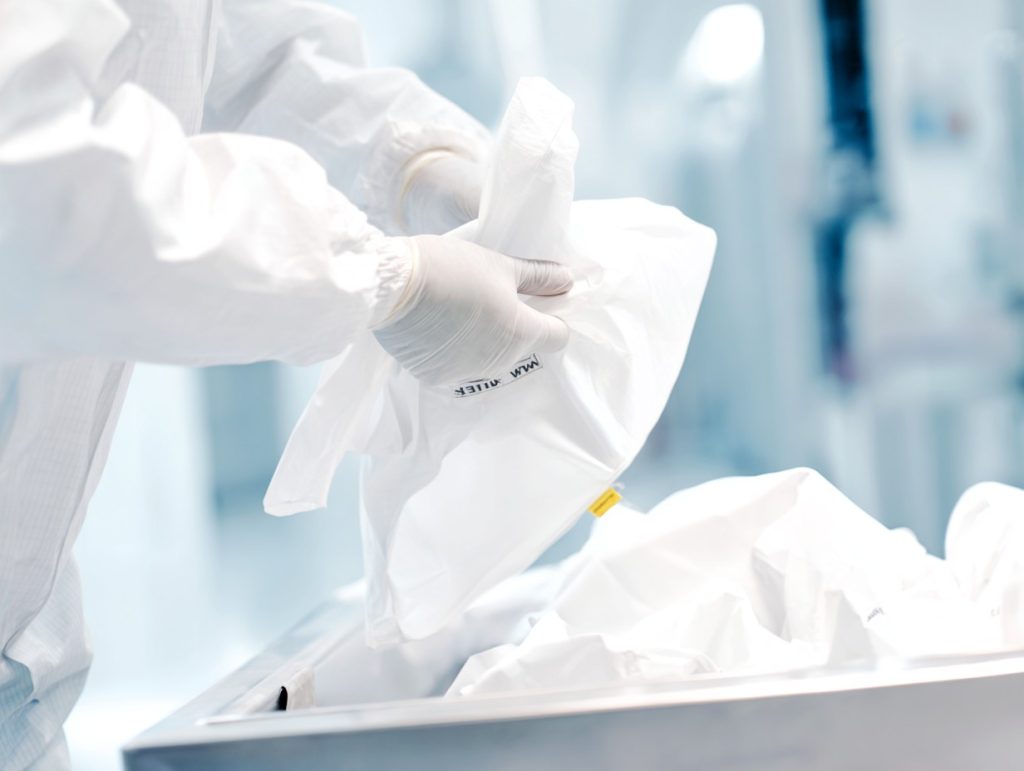
If a suit gets damaged while working in the cleanroom, act immediately. Stop working, exit properly, and replace the damaged garment as described above. Continuing to work in a torn suit puts your cleanroom environment at risk.
What to Do If Your Tyvek Suit or Sterile Coverall Is Torn
Tears or punctures can happen, but quick action keeps contamination risk low:
- Stop work immediately to prevent contamination.
- Exit the cleanroom properly.
- Remove the torn suit carefully, turning it inside out.
- Report the tear to your supervisor or contamination team.
- Put on a new, inspected suit before returning to the cleanroom.
Regular inspection before donning helps catch any damage early.
Keep Your Cleanroom Suits Up to Standard with Cleanroom Connection
Tyvek suits and sterile coveralls are critical cleanroom garments designed to protect your controlled environment from contamination. Proper donning, maintenance, storage, and quick response to damage ensure these suits deliver reliable protection.
For tailored advice on cleanroom apparel care or to explore our selection of high-quality Tyvek suits and sterile coveralls, contact Cleanroom Supplies. Looking for more articles or advice? Browse our blog for more practical tips on cleanroom contamination control.