
Cleanrooms are critical environments in various industries, especially in pharmaceutical and medical settings, where even the slightest contamination can have serious consequences. Whether entering or exiting a cleanroom, proper preparation is essential to maintain the integrity of the environment and ensure the safety and efficacy of the products produced. Here, we’ll discuss the necessary steps to take before exiting and entering a cleanroom to minimize the risk of contamination.
Understanding the Importance of Cleanrooms
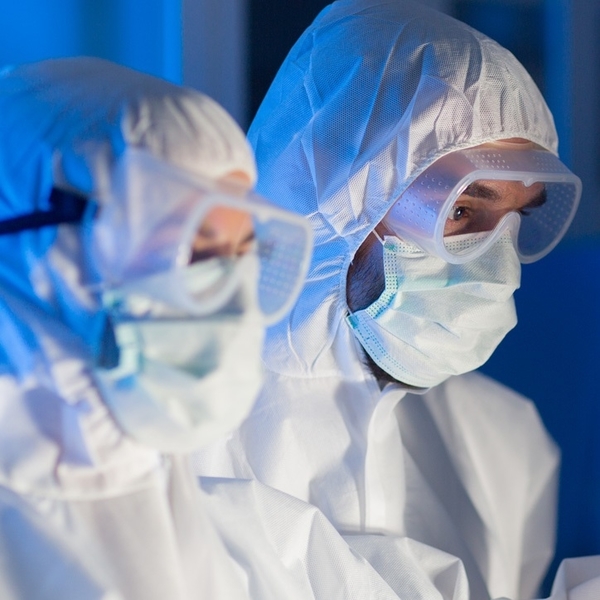 Depending on the industry and application, cleanrooms are designed to minimize airborne particles, microbes, and other contaminants to specific levels. In pharmaceutical and medical settings, cleanrooms ensure the quality and safety of products such as medications, medical devices, and biotechnology products. Contamination in these environments can lead to product defects, compromised safety, and regulatory non-compliance, highlighting the critical need for proper protocols when exiting and entering a cleanroom.
Review Cleanroom Protocols
Before entering and exiting a cleanroom, it’s essential to thoroughly review the specific protocols and procedures established for that environment. These protocols are the foundation for maintaining cleanliness and preventing contamination within the cleanroom. They typically encompass a range of guidelines, including gowning procedures, hygiene practices, and equipment usage protocols. By familiarizing yourself with these protocols, you ensure you adhere to the required standards before leaving the cleanroom, minimizing the risk of contaminating the environment.
Equipment usage protocols dictate how cleanroom equipment should be handled, operated, and maintained to prevent contamination. This includes guidelines for cleaning and sanitizing equipment between uses and procedures for handling sensitive instruments or materials within the cleanroom environment. Adhering to equipment usage protocols is crucial for preserving the cleanliness and functionality of cleanroom equipment.
Entering a Cleanroom
Undergo Personnel Training
Before entering a cleanroom for the first time or if protocols have been updated, undergo thorough personnel training on cleanroom procedures and best practices. This ensures you understand your responsibilities and can effectively adhere to the required standards.
Complete Gowning Procedure
 Upon entering a cleanroom, completing the gowning procedure as instructed is essential. This typically involves donning cleanroom garments, such as coveralls, hoods, and shoe covers, to prevent the introduction of contaminants from your clothing and body. Gowning procedures outline the steps for adequately donning and removing cleanroom garments, such as coveralls, hoods, and shoe covers. These garments serve as barriers to prevent the transfer of contaminants from clothing and body surfaces into the cleanroom environment. Understanding and following the correct gowning procedures are essential for maintaining the cleanroom’s integrity.
Check Equipment and Supplies
Before entering the cleanroom, verify that any equipment or supplies you plan to bring inside are clean and properly sanitized. This includes tools, materials, and personal belongings necessary for your work within the cleanroom environment.
Pass-Through Air Shower or Airlock
In some cleanroom facilities, personnel must pass through an air shower or airlock before entering the main cleanroom area. These controlled environments help remove contaminants from individuals’ surfaces before they enter the cleanroom, further minimizing the risk of contamination.
Practice Good Hygiene Practices
Hygiene practices within the cleanroom typically include requirements for handwashing and sanitization procedures. Cleanroom personnel must ensure their hands are clean and contaminant-free before entering or exiting the cleanroom. Proper hand hygiene helps minimize the risk of introducing pathogens or particulate matter into the controlled environment.
Exiting the Cleanroom Environment
Maintain Cleanroom Etiquette
Once inside the cleanroom, adhere to cleanroom etiquette at all times. This includes avoiding unnecessary movements, minimizing talking, and following established pathways to prevent the spread of contaminants within the environment.
Inspect Personal Protective Equipment (PPE)
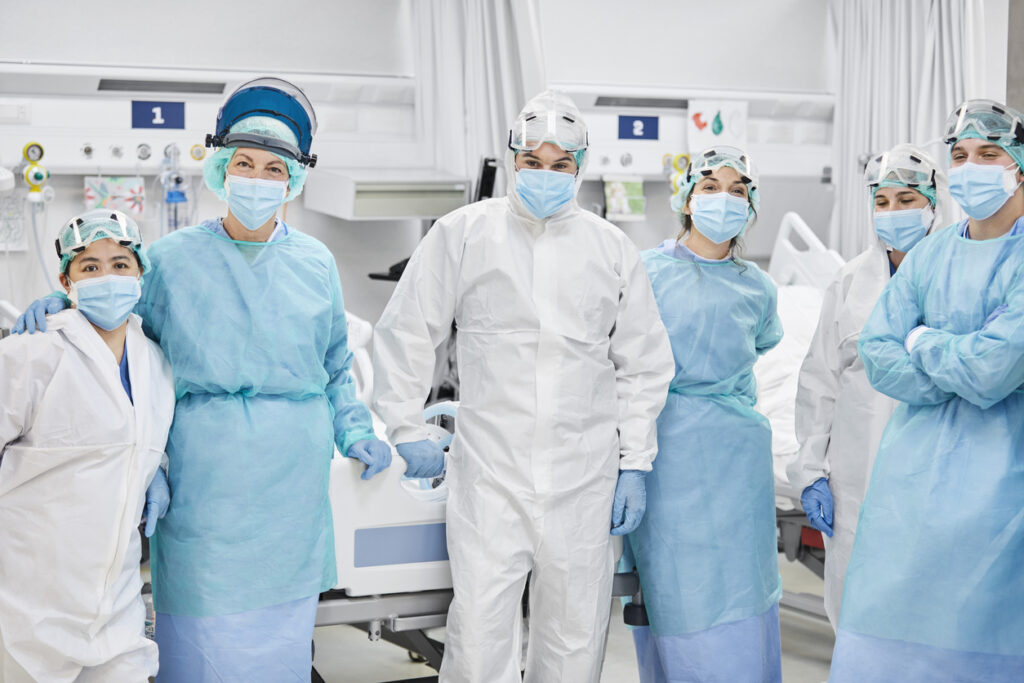 As part of the exiting process, it is essential to thoroughly inspect your protective equipment (PPE) for any signs of damage or contamination. PPE is a primary defense against introducing contaminants into the cleanroom environment. Common types of PPE used in cleanrooms include gowns, gloves, masks, and shoe covers.
Begin by visually inspecting each piece of PPE for tears, punctures, or other damage that could compromise effectiveness. Even minor defects can increase the risk of contamination, so it’s crucial to replace any compromised PPE immediately. In addition to visual inspection, consider conducting spot checks or performing tests to ensure that PPE materials remain intact and free of contaminants.
For example, gloves can be filled with water to check for leaks, while masks can be inspected for proper fit and filtration efficiency. Proper storage and handling of PPE are also essential to prevent contamination. Store PPE in designated areas within the cleanroom and avoid touching or adjusting it unnecessarily.
By maintaining strict control over PPE usage and integrity, you can help ensure the continued cleanliness and safety of the cleanroom environment.
Dispose of Waste Properly
Proper waste disposal is critical to maintaining cleanliness and preventing contamination in the cleanroom environment. Before exiting the cleanroom, waste or disposable items must be disposed of in designated containers according to established protocols. Designated waste containers may include bins for gloves, wipes, or other disposable materials used during cleanroom activities.
These containers are strategically located throughout the cleanroom facility to facilitate easy disposal.
When disposing of waste, avoid spilling or scattering contaminants, as this can compromise the cleanliness of the surrounding area. Seal waste containers securely to prevent leakage or odors from escaping, and follow any additional disposal instructions provided by cleanroom personnel.
When exiting the cleanroom, avoid leaving any trash or debris behind. Even small amounts of waste can introduce contaminants into the environment. Adhering to proper waste disposal procedures helps maintain the integrity of the cleanroom and minimize the risk of contamination.
Perform Personal Hygiene Procedures
Personal hygiene is a fundamental aspect of cleanroom protocol and plays a crucial role in preventing the transfer of contaminants from individuals to the cleanroom environment. Before leaving the cleanroom, it’s essential to perform thorough personal hygiene procedures to minimize the risk of contamination. Begin by washing your hands thoroughly with soap and water, following established handwashing protocols.
Pay special attention to areas such as fingertips, nails, and wrists, where contaminants may accumulate. Use disposable towels or air dryers to dry your hands thoroughly before exiting the cleanroom. In addition to handwashing, consider removing any potentially contaminated clothing or accessories before leaving the cleanroom.
This may include lab coats, jewelry, or hair accessories that could harbor contaminants. Store these items in designated areas or dispose of them according to established protocols. Avoid touching your face, hair, or other exposed skin surfaces while in the cleanroom, as this can transfer contaminants from your hands to your body.
If necessary, use cleanroom-approved grooming products and avoid using cosmetics or fragrances that could contaminate the environment.
Verify Cleanroom Conditions
Before exiting the cleanroom, verify that the conditions within the environment meet the required standards for cleanliness and contamination control. This includes checking for any abnormalities or deviations from the specified cleanliness levels and reporting any issues to the appropriate personnel.
Visual inspection and monitoring equipment, such as particle counters or microbial samplers, are used to assess the cleanliness of the air and surfaces within the cleanroom.
Pay attention to factors such as particle counts, microbial levels, and temperature and humidity levels, which can impact the overall cleanliness of the environment. If you observe any deviations from the specified cleanroom conditions, take immediate action to address the issue or notify cleanroom management. This may involve implementing corrective measures, such as adjusting ventilation systems, cleaning contaminated surfaces, or conducting additional monitoring to ensure compliance with cleanliness standards.
By verifying cleanroom conditions before exiting, you help ensure the continued integrity of the environment and minimize the risk of contamination. Your vigilance and attention to detail contribute to the overall effectiveness of cleanroom operations and help maintain product quality and safety.
Adhere to Cleanroom Practices with Cleanroom Connection
Exiting and entering a cleanroom requires careful attention to detail and adherence to established protocols to maintain the integrity of the environment and ensure product quality and safety. By following the steps outlined in this blog post, you can help minimize the risk of contamination and contribute to the overall cleanliness and effectiveness of cleanroom operations. Proper preparation before exiting and entering a cleanroom is essential for success in pharmaceutical and medical settings.
At Cleanroom Connection, our commitment to providing high-quality products extends beyond mere transactional exchanges. We strive to partner with businesses to enhance safety standards and protect their most valuable assets—their employees. By leveraging our extensive range of coveralls, PPE, and cleaning supplies, we empower you to defend yourself in cleanroom environments.
Contact Cleanroom Connection today to fulfill your PPE requirements, and let us partner with you to create a safer, more secure workplace.