
ISO classifications shape nearly every decision made inside a cleanroom, but their impact is often misunderstood when it comes to disposable supplies. While particle limits define each class on paper, day-to-day contamination control depends heavily on what workers wear, touch, and discard during normal work.
Disposable gloves, coveralls, masks, hoods, and boot covers form one of the most direct interfaces between people and the cleanroom environment. Selecting them without considering ISO class can introduce unnecessary risk or lead teams to over-specify products that don’t match how the space is actually used.
At Cleanroom Connection, we work with cleanroom managers and procurement teams who want supply decisions to feel practical, not theoretical. This guide breaks down how ISO cleanroom classes relate to disposable supply selection and how to align apparel choices with real-world process needs.
What are ISO Cleanroom Classes?
ISO cleanroom classes come from ISO 14644-1, the international standard used to classify cleanrooms based on airborne particle levels. The standard defines how clean a space must be by setting limits on the number of particles allowed in the air.
Each ISO class represents a different level of cleanliness. Lower class numbers mean fewer particles are allowed. Higher numbers allow more particles. Teams use these classifications to guide cleanroom design, monitoring, and how contamination is managed during normal work.
Common ISO Cleanroom Classes
ISO cleanroom classes define how many airborne particles are allowed in a controlled space. Lower ISO classes allow fewer particles and require tighter control. Higher classes allow more particles but still rely on consistent procedures and apparel.
The chart below shows common ISO classes and the maximum allowable particle counts at 0.5 microns per cubic meter of air.

For many teams, this chart becomes a reference point for decisions well beyond environmental monitoring. It influences how gowning areas are organized, how personnel move between spaces, and which disposable supplies are allowed in each zone.
When ISO classifications are understood and consistently applied, supply selection becomes easier to defend, train, and maintain. When they aren’t, apparel choices tend to drift based on convenience rather than control.
Why Disposable Apparel Matters at Every ISO Level
No matter the ISO class, cleanroom apparel controls contamination at its source. Skin cells, fibers, residues, and particles are constantly generated by people. Disposable garments help manage that risk by offering consistent material performance and predictable use.
Properly chosen disposable cleanroom apparel supports:
- Reduced particle and fiber release
- Consistent gowning across shifts and roles
- Easier training and compliance
- Clear separation between cleanroom zones
Where Apparel Has the Biggest Impact
Most contamination linked to apparel doesn’t come from obvious mistakes. It comes from small, repeated actions: walking, bending, reaching, adjusting garments, or touching exposed areas. Apparel that sheds fibers, shifts during movement, or feels restrictive increases the likelihood of particle release regardless of ISO class. Disposable garments that fit well and stay in place help reduce those everyday risks.
The key is matching apparel to both the ISO class and the work being done, rather than defaulting to the highest-grade option everywhere.
Choosing Disposable Cleanroom Apparel by ISO Class
ISO classifications set limits on how much contamination can be present, but they don’t tell you exactly what to wear. Disposable cleanroom apparel fills that gap by helping teams stay within those limits and controlling what people bring into the cleanroom during normal work.
As ISO classes get tighter, apparel needs to do more of the work. How that responsibility shows up in day-to-day work depends on the ISO class and the type of activity happening in the space.
ISO Class 3–4
These are the most tightly controlled cleanroom environments. There’s very little margin for error, and even routine movement can introduce enough particles to affect sensitive work. Apparel in these spaces has to do most of the contamination control, which means limiting shedding and staying in place once it’s on.
What to look for in ISO Class 3-4 apparel:
- Full-body disposable coveralls made with low-shedding material
- Hoods that fully cover hair, ears, and neckline
- Masks designed to limit particles released during breathing and talking
- Cleanroom-packaged gloves with consistent surface quality
- Boot covers that fully contain footwear and reduce floor transfer
In reality, these environments leave little room for improvisation. Apparel that shifts, gaps, or needs constant adjustment increases contamination risk during routine tasks.
Featured ISO Class 4 Product: Lakeland CleanMax® Cleanroom Coveralls and Bunny Suits
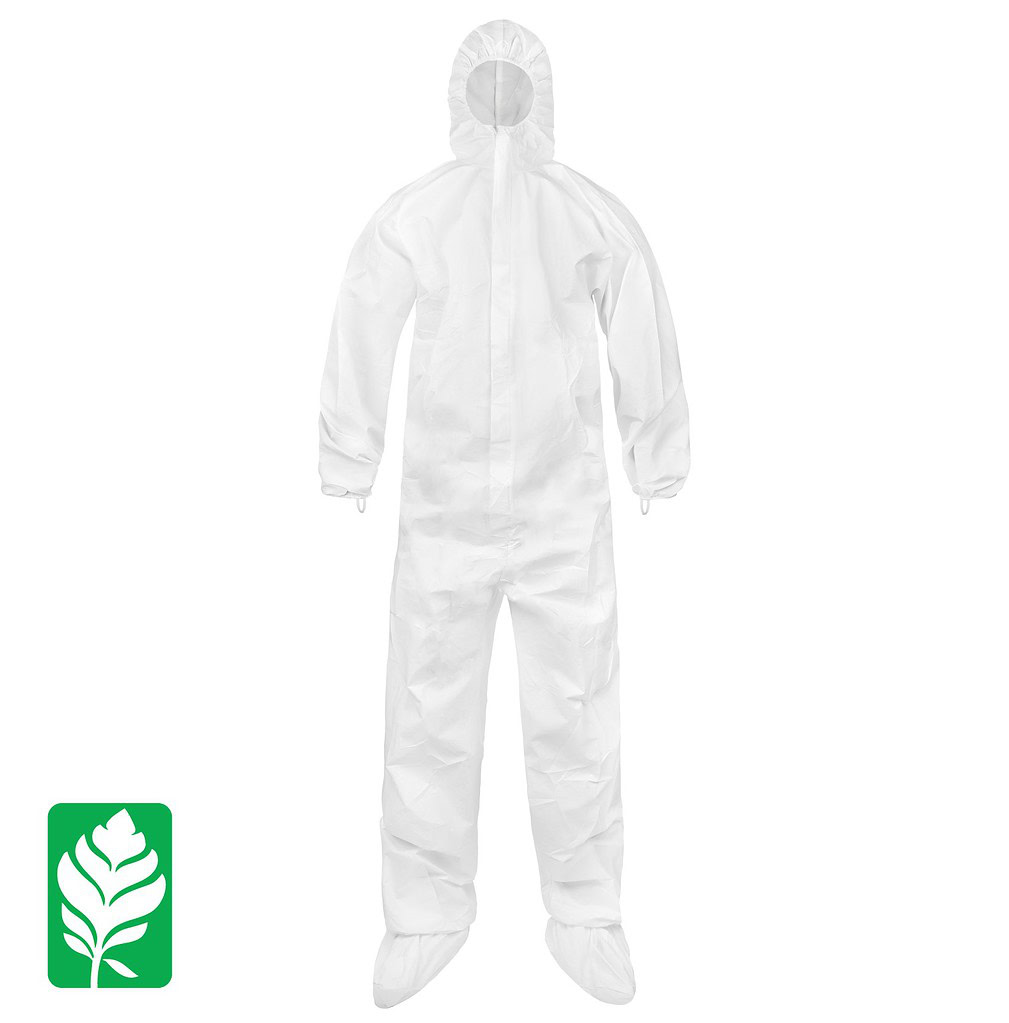
Individually wrapped, clean-processed coveralls designed for ISO Class 4–5 environments where controlled gowning and low linting matter most.
ISO Class 5
ISO Class 5 cleanrooms are commonly used for critical work where materials or products are exposed. Because workers are operating close to sensitive processes, apparel needs to stay secure during movement and handling to reduce adjustments and unnecessary contact.
What to look for in ISO Class 5 apparel:
- Disposable coveralls or suits with secure closures
- Gloves selected for cleanliness and task needs
- Masks and hoods that fit well and don’t require frequent adjustment
- Boot or shoe covers that support controlled movement between zones
When apparel fits poorly or feels restrictive, workers are more likely to reposition garments mid-task. In Class 5 spaces, those adjustments usually happen at the worst possible time.
Featured ISO Class 5 Product: GammaGuard CE Sterile Cleanroom Bunny Suit
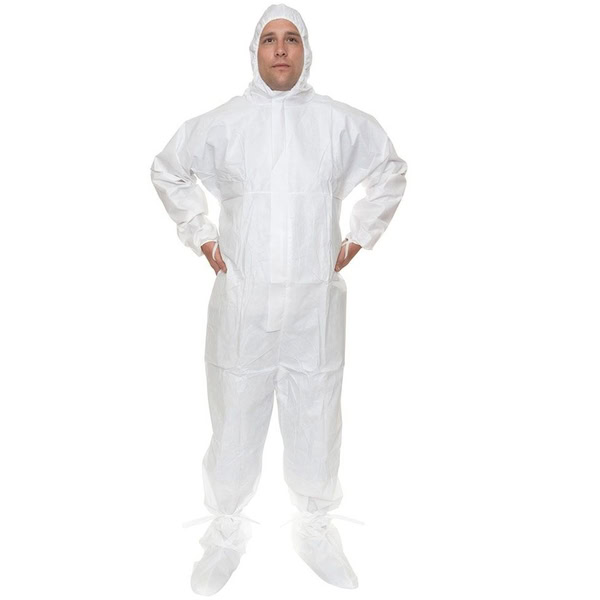
Sterile, full-coverage bunny suit suited for ISO Class 5 environments where product exposure and controlled gowning are critical.
ISO Class 6
ISO Class 6 spaces still require controlled conditions, but they support a wider range of tasks and longer wear times. Apparel should provide protection without getting in the way of normal processes, helping workers stay consistent throughout a shift.
What to look for in ISO Class 6 apparel:
- Disposable coveralls or gowns based on exposure risk
- Gloves chosen for comfort and change frequency
- Face coverings suited for longer wear times
- Shoe or boot covers matched to traffic patterns
In Class 6 environments, comfort and usability play a larger role. Apparel that supports longer wear helps reduce handling and improves consistency across all shifts.
Featured ISO Class 6 Product: MicroGuard MP Cleanroom Coveralls
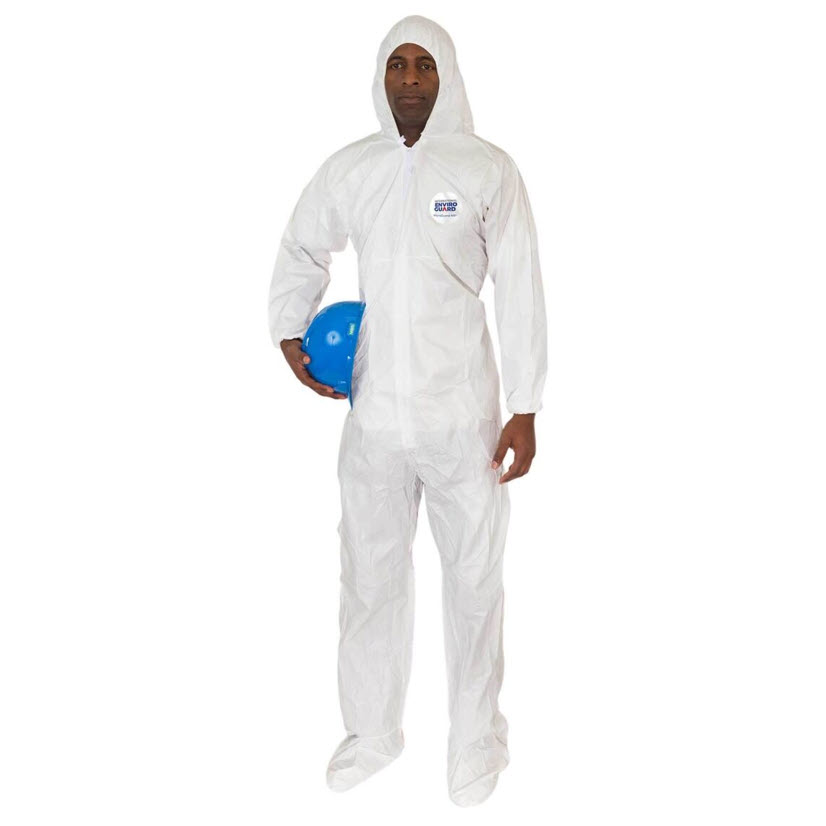
Non-sterile, lint-free coveralls suited for ISO Class 6+ environments where breathable protection and consistent coverage are needed without over-specifying apparel.
ISO Class 7–8
ISO Class 7 and 8 cleanrooms allow higher particle levels, but people are still a primary contamination source. Apparel in these areas helps manage what’s carried in and out of the space, especially in shared or transitional zones.
What to look for in ISO Class 7-8 apparel:
- Disposable gowns or coveralls for barrier protection
- Gloves that balance protection and comfort
- Masks and hair covers to limit shedding
- Shoe covers used to maintain separation between areas
Even though these classes allow more particles, inconsistent apparel use can still create avoidable contamination issues, especially in shared or transitional spaces.
Featured Product ISO Class 7-8 Product: Enviroguard SMS Lint-Free Cleanroom Coveralls
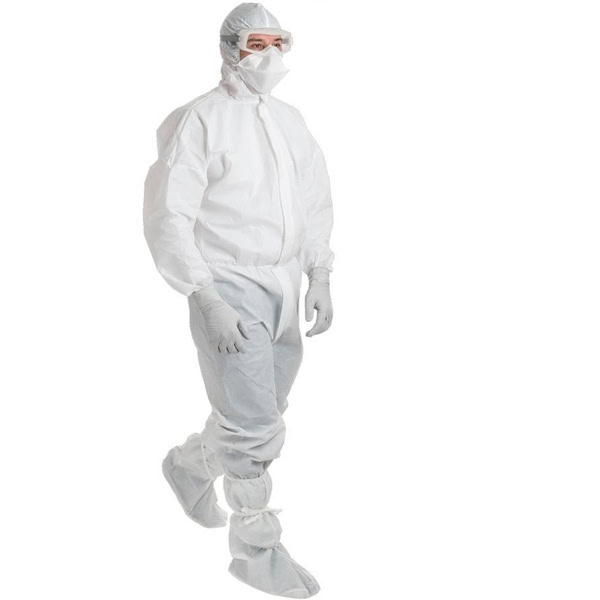
Breathable, non-sterile coveralls well suited for ISO Class 7–8 environments where comfort supports consistent apparel use in lower-risk cleanroom areas.
Gloves Deserve Their Own Decision Process
Cleanroom gloves are often changed more frequently than any other disposable item in a cleanroom. They also come into direct contact with products, tools, and work surfaces.
While ISO classification sets the cleanliness baseline, glove choice should also take into account task type, dexterity needs, chemical exposure, and change frequency. A glove that meets cleanliness requirements but tears easily or reduces tactile control can increase handling, adjustments, and replacement rates.
In short: gloves should align with both the ISO class and the task being performed.
Avoiding Over-Specification and Under-Protection in Cleanroom Apparel
One of the most common supply selection issues is assuming that tighter ISO classes automatically require the highest-grade option for every disposable item. In practice, mismatched supplies can create new problems:
- Over-engineered garments may restrict movement and lead to improper use
- Under-specified apparel may shed fibers or fail during normal tasks
- Inconsistent selection across zones can confuse workers and reduce compliance
Where This Shows Up:
Over-specification often shows up in support areas where higher-grade apparel is used by default. Under-protection tends to appear during high-volume periods, when substitutions feel harmless. Checking disposable cleanroom supplies against ISO classifications helps teams spot these gaps before they turn into larger issues.
How to Review Your Cleanroom Apparel System
If you’re evaluating how well your disposable supplies meet ISO classification standards, start with a few focused questions:
- Are disposable garments clearly assigned to specific ISO areas?
- Do workers adjust apparel frequently once inside controlled spaces?
- Are substitutions happening due to availability or comfort issues?
- Do glove choices match both cleanliness needs and task demands?
These checks often reveal small issues that are easier to correct early.
Meet Your Cleanroom’s ISO Standards with Cleanroom Connection
Choosing disposable supplies for your ISO classification and processes is key in cleanroom management. The right gloves, apparel, and protective accessories support contamination control at every single stage of cleanroom work.
Discover Cleanroom Connection’s full range of disposable cleanroom supplies designed for ISO-classified environments, including gloves, coveralls, masks, hoods, and boot covers.
Not sure which supplies align with your ISO class? Reach out to our team today for guidance on building a disposable supply program that supports your cleanroom standards, workflows, and compliance goals.
For more information about cleanroom supplies and standards, explore our blog.