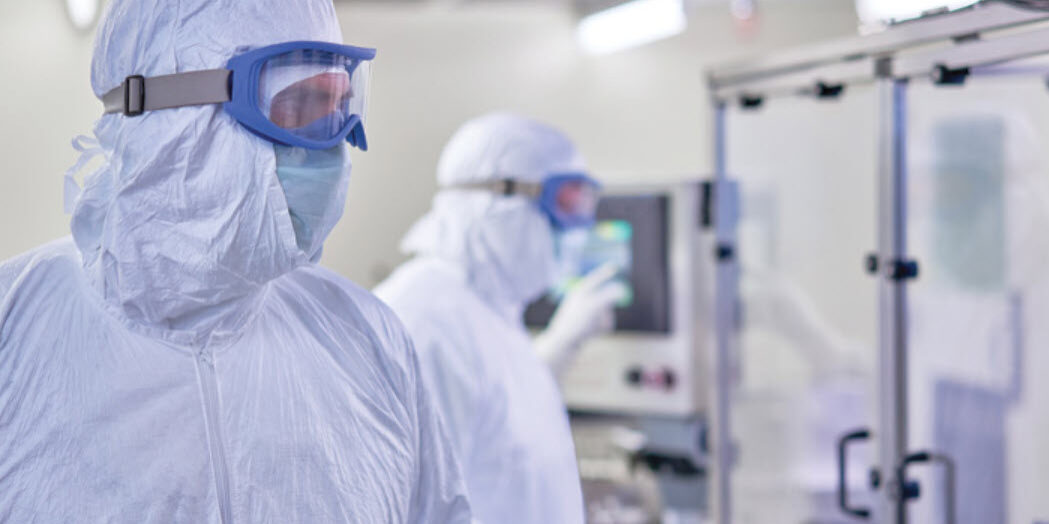
Cleanroom suit maintenance is crucial across all industries. The long-term and sustainable management of cleanroom garments ensures the safety and integrity of your cleanroom apparel. It is critical to maintain compliance and high-quality standards in the cleanroom environment.
Here, we explore the best practices for maintaining and keeping cleanroom apparel steralized to improve the efficiency and reliability of your cleanroom operations.
The Importance of Keeping Cleanroom Suits Sterilized
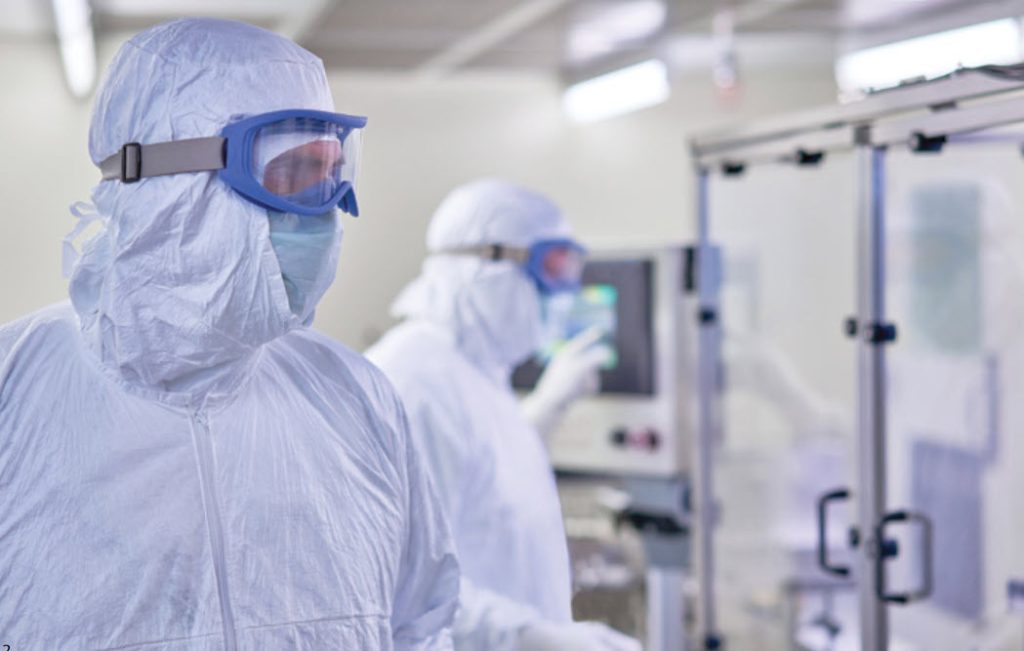 Properly cleaning and sterilizing cleanroom suits is paramount to maintaining a contaminant-free environment, essential for high-stakes industries like pharmaceuticals, food production, electronics, and laboratories. Here are some key reasons why this process is so crucial:
1. Preventing Contamination
Cleanroom suits serve as a barrier that protects the user from the sterile environment. Unclean and unsterilized suits may be a source of contamination, sending millions of particles, microbes, and other contaminants into the environment. This can lead to the loss of sensitive processes and products.
2. Ensuring Product Quality
Maintaining stringent hygiene standards is critical to ensuring product quality. Contaminated cleanroom suits can lead to product recalls, spoilage, and non-compliance with regulatory standards, which can be costly and damaging to a company’s reputation.
3. Compliance with Regulatory Standards
Regulatory bodies, like the FDA in the pharmaceutical industry and ISO standards for cleanroom environments, have strict guidelines on cleanliness and contamination control. Proper cleaning and sanitizing cleanroom suits is imperative to avoid penalties or a shutdown.
4. Protecting Worker Safety

 Workers in cleanrooms often deal with hazardous or sensitive materials. Properly maintained and sterilized suits protect the products and ensure the safety of the personnel by preventing exposure to harmful substances.
5. Extending Suit Lifespan
Cleanroom suits must be regularly and correctly maintained to prolong their life span, keeping them effective and functional for longer periods. This can help keep costs down by reducing cleanroom apparel replacement.
How to Store Cleanroom Apparel
Proper storage of cleanroom apparel is crucial to maintaining its integrity and ensuring it remains free from contaminants. Here are some critical guidelines for effectively storing cleanroom suits and related garments:
1. Dedicated Storage Areas
Cleanroom apparel should be stored in dedicated areas specifically designed to maintain cleanliness. These areas should be free from dust, moisture, and other contaminants. A well-organized storage system is important to prevent any clean and used garments from mixing.
2. Controlled Environment
The storage environment should be controlled for temperature and humidity to prevent material degradation. High humidity can lead to mold growth, while extreme temperatures can cause material deterioration. Maintaining a stable, moderate climate within the storage area is essential.
3. Sealed Packaging
Cleanroom garments should be stored in sealed packaging to protect them from contaminants. This packaging should only be opened within the cleanroom environment to ensure the apparel remains sterile until use. Vacuum-sealed bags or other airtight containers are ideal for this purpose.
4. Proper Labeling
Each piece of cleanroom apparel should be properly labeled with information such as size, type, and sterilization date. This labeling helps quick identification and ensures that the garments are rotated based on their sterilization schedule, preventing expired or compromised apparel use.
5. Hanging vs. Folding
Cleanroom suits should be hung rather than folded whenever possible to avoid creases that can compromise the material’s integrity. Specially designed hangers that do not damage the fabric should be used. If hanging is not feasible, folding should be done carefully, and the garments should be placed in protective covers.
6. Segregation of Clean and Used Garments
It’s crucial to keep clean and used garments separate to prevent cross-contamination. Used garments should be immediately placed in designated containers for cleaning and sterilization, and clean garments should have their own distinct storage area to avoid any risk of contamination.
7. Regular Inspection
To ensure pristine garments, systematic inspection of the storage space and garments themselves is a must. This entails checking for any signs of contamination and wear and tear and ensuring that the storage environment is in compliance with all required conditions.
Cleanroom Apparel
Proper cleanroom apparel is essential for maintaining a contamination-free environment and ensuring the longevity of the garments. Here is a detailed guide on how to clean cleanroom apparel effectively.

Inspect Before Cleaning
Before initiating the cleaning process, meticulously inspect the cleanroom garments for any damages, stains, and the condition of accessories. Any defective garments should be repaired, replaced, or discarded to maintain the integrity of the cleanroom environment. Stained garments require stain removal before proceeding to washing.
Segregate Garments
Ensure that garments designated for different uses and areas are washed separately to prevent cross-contamination. This segregation is crucial in maintaining purity and meeting the specific requirements of each cleanroom environment.
Choose the Right Water
The type of water used for cleaning is critical to the effectiveness and longevity of cleanroom garments.
- Deionized Water (DI). Deionized water is ideal for washing cleanroom apparel because it reduces static, which can attract particles and pollutants. DI water, created using a special purification system with stainless steel fittings, helps release surface tension, ensuring that particles do not cling to the garments.
- Reverse Osmosis (RO) Water. Reverse osmosis water, produced by pushing water through a semipermeable membrane to remove impurities, is also suitable for cleaning cleanroom apparel. RO water ensures the garments are free from contaminants and minerals that could compromise the cleanroom environment.
- Hot Water. The water used should be extremely hot to maximize the cleaning effect. Hot water enhances the efficiency of both DI and RO water in removing contaminants from the garments.
Select the Right Detergent
The choice of detergent plays a significant role in preserving the quality and effectiveness of cleanroom apparel.
- Non-Ionic Detergents. Use special detergents with non-ionic surfactants that are very low in non-volatile residue (NVR). Non-ionic detergents minimize ionic contamination, which can be difficult to remove once they adhere to the garments.
- Neutral pH Value. The detergent’s pH level should be neutral, ideally between 6.5 and 7.5. Avoid detergents that are too alkaline or too acidic, as these can break down the fibers of the garments, reducing their lifespan and effectiveness.
Using inappropriate detergents can significantly reduce the life expectancy of cleanroom garments, potentially halving their useful life. Proper detergents, combined with the right water, can extend the life cycle of cleanroom garments to over 100 washes.
Cleanroom Suit Washing Process
- Initial Inspection. Start by inspecting garments for damages and stains.
- Stain Removal. Treat any stains before washing.
- Separate Washing. Wash garments designated for different cleanroom areas separately.
- Water Selection. Use either deionized water or reverse osmosis water, ensuring it is hot.
- Detergent Use. Use a non-ionic, low-sudsing detergent with a neutral pH.
- Rinsing. The final rinse should be performed with filtered pure water to remove all contaminants and detergent residues.
Disinfection and Sterilization
Cleanroom garments should undergo sterilization according to regulatory standards. Double-door pulsating vacuum sterilization cabinets are typically used for sterilization, while ozone disinfection cabinets are used for disinfection. Place cleaned garments in the appropriate cabinet for the requisite process, documenting all relevant records.
Sterilizing Cleanroom Apparel
Sterilization is essential for eliminating viable microbial life, including bacteria, molds, yeasts, viruses, and spores, to ensure cleanroom garments meet required sterility assurance levels (SAL). This process is crucial for aseptic environments involving medical procedures, implants, and injections. Cleanroom garments must be sterile, adhering to standards like ANSI/AAMI ST67:2003.
Common Sterilization Methods
Steam Autoclaving
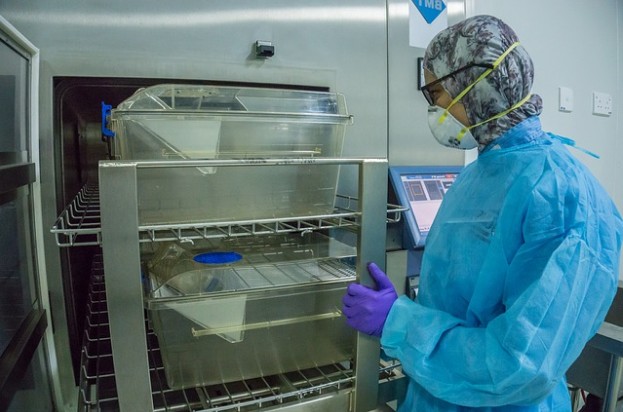
Steam autoclaving uses saturated steam under pressure to achieve sterility, typically at 121°C and 15 psi for 15 minutes. The process is efficient for penetrating and heating all surfaces, making it suitable for materials that can withstand heat, pressure, and moisture. However, steam autoclaving can cause cleanroom garments to shrink, pucker at seams and zippers, set in wrinkles, degrade fabric, and impact filtration performance. These drawbacks have led to reduced usage of cleanroom garments.
Ethylene Oxide (EtO)
Ethylene oxide (EtO) gas sterilization was widely used for cleanroom garments. The process involves placing wrapped garments in a vacuum chamber, evacuating the air, and introducing EtO gas. After sterilization, the garments undergo a lengthy outgassing/quarantine period to reduce EtO levels, requiring up to 14 days. Due to its toxicity and the extended cycle time, it is rarely used for cleanroom apparel.
Ionizing Radiation
High-energy ionizing radiation, particularly gamma irradiation, is the preferred modern method for sterilizing cleanroom apparel. Gamma rays, emitted from the decay of cobalt-60, penetrate and sterilize packaged garments. This method is efficient and effective, with garments being laundered, packaged, and exposed to controlled doses of gamma radiation at specialized facilities. Gamma irradiation does not cause the physical alterations associated with steam autoclaving and avoids EtO safety issues, making it the most popular choice today.
Maintaining the sterility of cleanroom apparel is critical for various high-stakes industries. Each sterilization method has benefits and limitations, but gamma irradiation is currently the most effective and widely used method.
Trust Cleanroom Connection
Properly cleaning and maintaining cleanroom apparel is necessary for its effectiveness, prolonged use, and integrity. By following the outlined steps, inspecting garments, using the right water and detergent, and following proper sterilization procedures, you can greatly reduce the chances of contamination and improve performance in your cleanroom operations.
Our blog is a great source of information for cleaning room management. See more cleanroom tips. Check out our cleanroom apparel and supplies, and get in touch with us today to discuss your cleanroom requirements and needs.