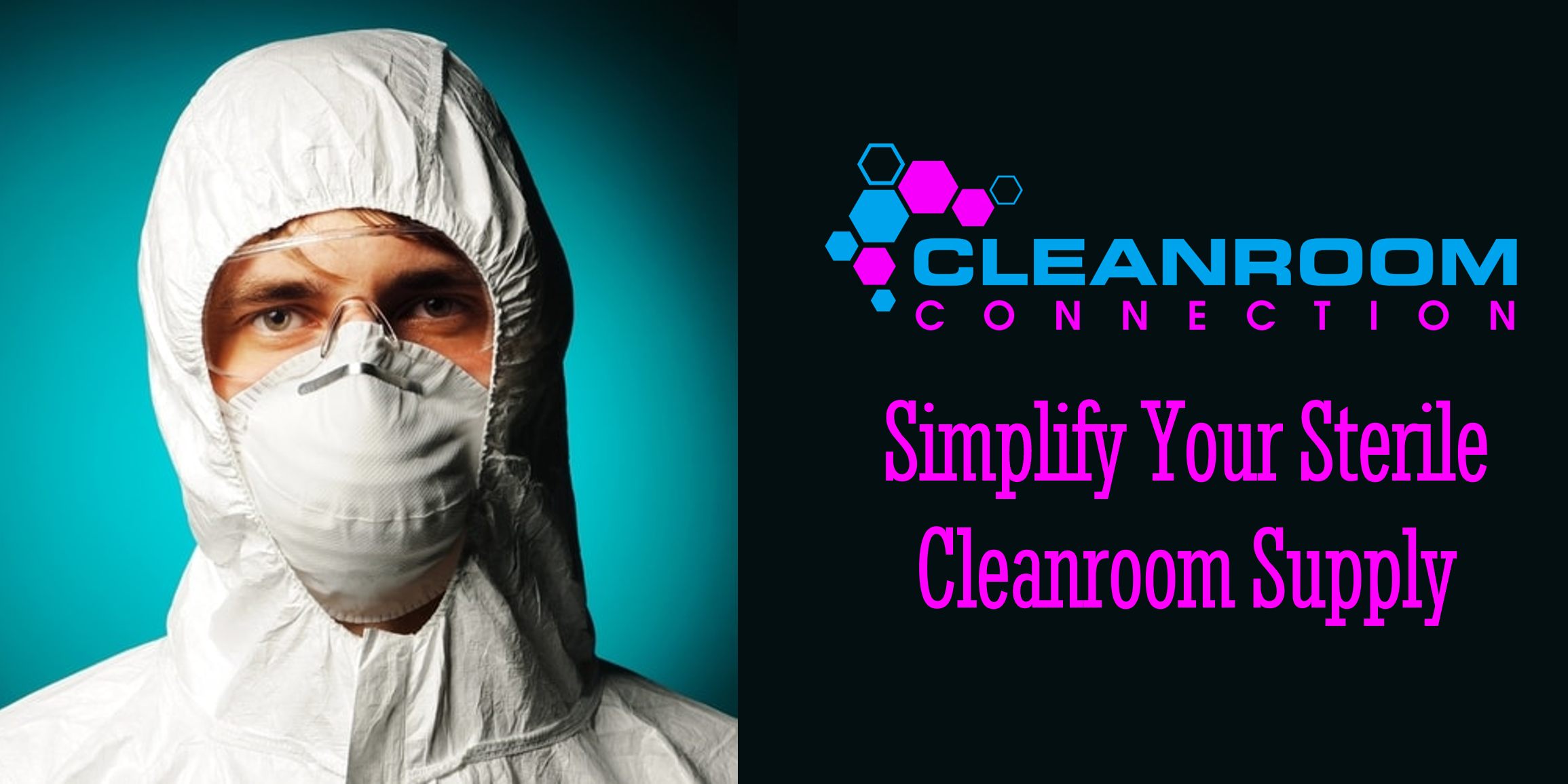
DuPont IsoClean Tyvek Suit for Cleanrooms: Sterile Coveralls Built for USP 797 and ISO-Classified Environments
People are the primary contamination source in any cleanroom. Skin particles, hair, and microorganisms shed during normal activity, which is why the coveralls your staff wear matter as much as your equipment choices. For compounding pharmacies working under USP 797, sterile cleanroom suits aren’t just part of the gowning protocol. They’re one of the controls your facility depends on to maintain environmental quality.
Not all Tyvek suits are built for pharmaceutical cleanrooms. Standard Tyvek coveralls are designed for industrial use, not ISO-classified environments. DuPont’s IsoClean line is a separate product engineered specifically for pharmaceutical, biotech, and sterile manufacturing cleanrooms. This guide covers what separates IsoClean from general-purpose Tyvek, which ISO classes and USP standards apply, what the product specs mean for your gowning program, and how to find the right configuration for your facility.
IsoClean vs. Standard Tyvek Coveralls: Why the Difference Matters in a Cleanroom Suit
DuPont makes several Tyvek garment lines, and they’re not interchangeable. Standard Tyvek coveralls are designed for industrial applications: asbestos abatement, chemical splash, and construction work. They’re not produced in controlled environments, not individually packaged for aseptic donning, and not gamma sterilized. Using standard Tyvek as cleanroom apparel in a USP 797 ISO Class 5 environment doesn’t meet the gowning requirements for that classification.
IsoClean is a different product entirely. The distinctions are in manufacturing and packaging, and they directly affect your contamination control profile.
Clean-Processed and Packaged in an ISO Class 4 or ISO Class 5 Cleanroom
Every sterile IsoClean Tyvek suit is clean-processed in a controlled environment before it reaches your facility. Garments are folded and individually packaged in either an ISO Class 4 or ISO Class 5 cleanroom, depending on the product configuration. This controls the particle burden the garment itself introduces before it ever enters your environment.
Gamma Sterilization to SAL 10⁻⁶ Validated Under ISO 11137
Sterile IsoClean coveralls are gamma-irradiated to a Sterility Assurance Level (SAL) of 10⁻⁶, validated in accordance with ISO 11137. Each case ships with a certificate of sterility and full lot traceability. Non-sterile IsoClean garments are clean-processed but not gamma-irradiated. They’re appropriate for lower-classification zones, not ISO Class 5 aseptic environments.
Dual-Barrier Packaging for Aseptic Transfer
Each sterile Tyvek coverall is packaged in inner and outer easy-tear cleanroom bags. The dual-barrier system supports contamination control during transfer into clean areas. It’s not just protective shipping material. Removing the outer bag in the ante-room and opening the inner bag inside the buffer room keeps the sterile garment protected through the donning process.
Lowest Particle Shedding in the DuPont Portfolio
IsoClean is rated for the lowest particle shedding of any garment in the DuPont Tyvek line. The flash-spinning process creates a fiber structure that’s both low-linting and breathable. Bound internal seams cover the raw seam edge with garment fabric, reinforcing the seam and reducing particle penetration at stress points. In high-movement compounding work, bound seams outperform standard serged seams.
Which ISO Classes and USP Standards Require Sterile Cleanroom Suits
IsoClean sterile coveralls are designed for ISO Class 4 through ISO Class 7 environments. The sterile version is appropriate for ISO Class 5 (Class 100) applications, which is the classification required for aseptic processing areas under USP 797.
USP 797: Sterile Gowning in ISO Class 5 Primary Engineering Controls
USP 797 requires that personnel working in ISO Class 5 primary engineering controls wear sterile cleanroom apparel, including a sterile coverall or gown. The IsoClean sterile Tyvek suit meets that requirement. Your facility’s gowning SOP should specify which garment type is required for each area based on your ISO classification.
USP 800: Sterile Garments for Hazardous Drug Compounding
For hazardous drug compounding under USP 800, the same gowning standard applies in the ISO Class 7 buffer area and ISO Class 5 primary engineering control. Sterile suits are required at the point of preparation. IsoClean sterile coveralls are appropriate for both areas, with the sterile version required in the ISO Class 5 zone.
Non-Sterile IsoClean: Where It Fits
The non-sterile IsoClean coverall is clean-processed but not gamma-irradiated. It’s appropriate for ISO Class 6, 7, and 8 environments where sterile gowning isn’t required, including ante-rooms, secondary buffer areas, biotech labs, and electronics manufacturing cleanrooms.
If your facility runs an ISO Class 7 buffer room adjacent to an ISO Class 5 primary engineering control, you’ll likely use both versions in different zones. Your SOPs should define which garment is required in each area. If you’re unsure which version your environment calls for, the Cleanroom Connection team can review your ISO classification and confirm the right product before you order.
IsoClean Tyvek Coverall Specifications That Matter for Compliance
Here’s what each product feature means in the context of your cleanroom suit requirements.
Elastic Wrists, Ankles, and Thumb Loops
Elastic cuffs at the wrist and ankle create a seal at the interface point where the coverall meets gloves and boot covers. Thumb loops hold the sleeve in position during arm movement, keeping the wrist seal intact during active work. In a double-gloving protocol, this keeps the coverall sleeve correctly positioned under both glove layers throughout the compounding session.
Front Zipper with Pin Lock Slider
The front zipper uses a pin lock slider that locks in place when the pins on the puller are engaged. This keeps the zipper from working open during use, which would break the garment seal. It also simplifies doffing, which matters for maintaining clean exit protocols.
Configuration Options: Hood, Boots, and Sleeve Design
IsoClean sterile coveralls come in multiple configurations, including attached elastic hood, attached boots with PVC soles, elastic wrists and ankles, thumb loop sleeves, and dolman sleeve designs for greater range of motion. Sizes run from Small through 7XL depending on the SKU.
The right configuration depends on your gowning protocol, your ISO class, and whether your SOP calls for an integrated hood or separate components. Cleanroom Connection stocks multiple IsoClean configurations and can confirm which SKU fits your protocol before you place an order.
Certificates of Sterility and Lot Traceability
Every case of sterile IsoClean coveralls ships with a certificate of sterility. Full lot traceability is available on all sterilized garments. For facilities that document gowning supplies as part of their compliance records, this comes standard. You don’t need to request it separately.
How to Don a Sterile Tyvek Cleanroom Suit Without Breaking Sterility
A sterile coverall is only as effective as the process used to put it on. Gamma irradiation happens before the garment reaches your facility. The aseptic donning sequence is what keeps it sterile through gowning.
Step-by-Step Aseptic Donning Sequence for USP 797 Environments
The general donning sequence for a USP 797 environment follows this order:
- Complete hand hygiene before entering the ante-room.
- Remove the outer bag of the IsoClean package in the ante-room, leaving the inner cleanroom bag intact.
- Enter the buffer room or ISO Class 5 zone before opening the inner bag.
- Don the coverall without allowing any part of the sterile garment to contact a non-sterile surface.
- Apply sterile gloves last, pulling the glove cuff over the coverall sleeve.
The individual packaging and aseptic fold of IsoClean sterile garments are designed to support this sequence. If your facility has a written gowning SOP, the donning steps should reference the garment packaging design as part of the documented procedure.
IsoClean Tyvek Bunny Suit Variants and Hood Integration
The IsoClean line includes a bunny suit configuration with an attached integrated hood, which is the all-in-one option that eliminates the interface gap between a separate hood and coverall. For facilities that need full head-to-toe sterile coverage in one garment, the attached-hood configuration is worth considering. A separate sterile hood can also be paired with a non-hooded coverall for facilities that prefer independent gowning components.
Ordering Sterile IsoClean Coveralls Through Cleanroom Connection
Cleanroom Connection has stocked DuPont IsoClean sterile garments for over 20 years and carries multiple configurations of the coverall line. If you’re selecting a cleanroom suit for the first time or updating your gowning protocol, the team can review your ISO classification and confirm the right SKU before you order.
Allocated Stock for High-Volume SKUs
For facilities that use sterile IsoClean coveralls as a recurring item, allocated stock through a Cleanroom Connection account helps prevent backorders on your most-used sizes. If you’re managing USP 797 or USP 800 supply timelines, planning ahead for consistent product availability is worth building into your procurement process.
30-Minute Quote Turnaround
Add the IsoClean sterile coveralls you need to your cart at cleanroomsupplies.com and submit your product list. Pricing comes back within 30 minutes. Free samples are available on most IsoClean configurations if you’d like to evaluate fit and donning comfort before committing to a case quantity.
Submit your product list for a quote at cleanroomsupplies.com and receive pricing within 30 minutes.
Frequently Asked Questions
Are IsoClean sterile Tyvek suits appropriate for USP 797 compounding environments?
Yes. The sterile IsoClean line is gamma-irradiated to SAL 10⁻⁶ and individually packaged to support aseptic donning. These are the two primary characteristics to look for in sterile cleanroom apparel for ISO Class 5 primary engineering controls under USP 797.
What’s the difference between sterile and non-sterile IsoClean coveralls?
Both versions are clean-processed in a controlled environment. The sterile version is additionally gamma-irradiated to SAL 10⁻⁶ and individually packaged for aseptic donning. The non-sterile version is appropriate for ISO Class 6, 7, and 8 environments where sterile gowning isn’t required. For USP 797 ISO Class 5 work, the sterile version is required.
What sizes do IsoClean sterile coveralls come in?
Depending on the configuration, IsoClean sterile coveralls are available from Small through 7XL. Size availability varies by SKU. Contact Cleanroom Connection to confirm which sizes are in stock for the specific configuration your facility uses.
Why do IsoClean Tyvek coveralls sometimes have an odor after opening?
Gamma irradiation can produce a temporary odor when the packaging is first opened. This is a known characteristic of the sterilization process, not a product defect or sign of compromised sterility. The odor dissipates quickly after opening.
Can I request samples before placing a bulk order?
Yes. Cleanroom Connection offers free samples on most product lines, including IsoClean coveralls. This lets your gowning team evaluate fit and donning comfort across your size range before committing to a case quantity. Contact the team at cleanroomsupplies.com to request samples.
How should sterile cleanroom suits be stored?
Sterile garments stay sterile as long as package integrity is maintained. Store cases in a clean, dry environment away from direct sunlight and heat. Don’t use a unit if the inner or outer bag shows any breach, puncture, or seal failure.