
Keeping your cleanroom free from contamination is critical in industries like pharmaceuticals, manufacturing, biotechnology, and medical devices. Even tiny particles, microbes, or fibers can cause serious issues—affecting product quality, safety, and regulatory compliance. That’s why cleanroom supplies aren’t just extras; they’re essential tools that help maintain a sterile environment and protect your processes.
From protective apparel and gloves to sterile wipes and tacky mats, every supply item plays a key role in contamination control. Choosing the right products and using them properly is the foundation of a successful cleanroom program.
In this guide, you’ll learn:
- What cleanroom classifications mean and why they matter
- The essential cleanroom supplies that prevent contamination
- Practical steps for setting up a cleanroom supply program that fits your facility
What Are Cleanroom Classifications?
Cleanrooms are rated based on the number and size of airborne particles allowed per volume of air. These ratings set the contamination limits that facilities must meet to maintain quality and safety. The most common standards is ISO 14644-1. These classifications range from ISO 1 (the strictest) to ISO 9 (the least strict).
For example, an ISO Class 5 cleanroom can have no more than 3,520 particles 0.5 microns or larger per cubic meter of air. An ISO Class 8 cleanroom allows many more particles and has looser controls.

Why does this matter for cleanroom supplies? Because every item—from gowns to wipes—needs to match your cleanroom’s classification. That means they’re made from materials that won’t shed fibers or particles and often come with certifications proving they meet those standards.
Using higher-grade supplies than necessary might raise costswithout added benefit. But using supplies that don’t meet your cleanroom’s level risks contamination and regulatory problems.
Tip: Review your cleanroom classification regularly, especially if your processes or regulations change, to make sure your supplies are still the right fit.
For more on cleanroom classes and how they affect contamination control, see our detailed post on cleanroom ratings and classifications.
Must-Have Cleanroom Supplies for Contamination Control
Cleanroom Apparel: The First Line of Defense

What you wear in a cleanroom is one of the biggest factors in keeping contaminants out. People naturally shed skin flakes, hair, and fibers from clothing—all potential sources of contamination.
Cleanroom apparel is made from lint-free, non-shedding fabrics like polyester or specially treated materials designed not to release particles. Common garments include:
- Coveralls: Full-body suits that cover street clothes completely, available in sterile and non-sterile versions depending on cleanroom class.
- Lab coats: Used in less strict cleanrooms or as an extra protective layer.
- Bouffant caps and hoods: Cover hair fully to prevent shedding.
- Shoe covers: Keep dirt and particles from shoes out of the cleanroom environment.
- Sleeves: Provide added protection in sensitive areas or for specific processes.
Proper gowning (putting on) and doffing (taking off) procedures are just as important as the garments themselves. Following the right order and technique minimizes contamination risk to both the wearer and the environment. For example, gloves are usually donned last and removed first.
Best practice: Train everyone on gowning protocols and display clear instructions at gowning stations.
Cleanroom Gloves: Essential Barrier Protection
Gloves prevent contaminants like skin oils, particles, and microbes from reaching sensitive surfaces or products. The material of the gloves you choose plays a major role in both protection and cleanroom compatibility.
Nitrile gloves are the preferred option for most cleanroom environments. They offer excellent chemical resistance, low particle shedding, and strong durability. Nitrile is also latex-free, making it a safe choice for users with latex sensitivities. Sterile and non-sterile nitrile gloves are available in a range of lengths and thicknesses to match cleanroom classifications from ISO 3 to ISO 8.
See our updated guide to cleanroom gloves for medical and pharmaceutical settings to compare materials and features.
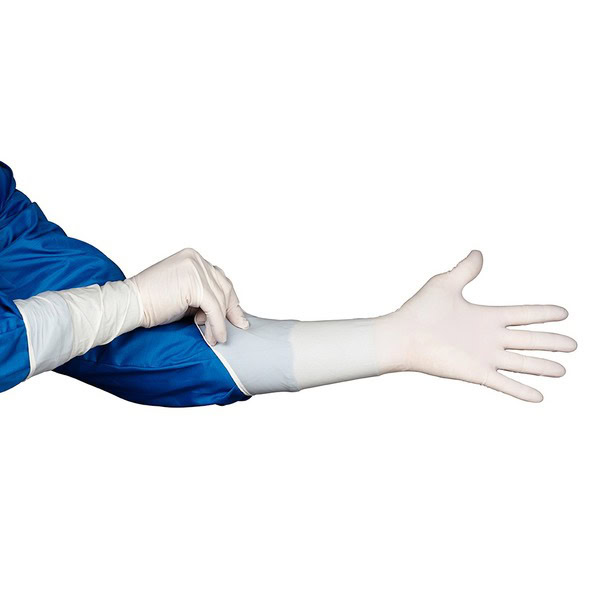
Other glove materials are available for specific needs:
- Neoprene: Offers good chemical resistance and flexibility, often used in pharmaceutical applications where dexterity and comfort are key.
- Latex: Provides excellent tactile sensitivity, but it’s less common in cleanrooms due to allergy concerns and higher particle shedding.
- Vinyl: Budget-friendly but not ideal for cleanrooms—vinyl gloves tend to shed more particles and offer limited protection and durability.
Always choose powder-free gloves. Powdered gloves are banned for medical use by the FDA and introduce airborne contaminants that can compromise cleanroom integrity.
A proper fit is also essential—gloves that fit well are less likely to tear and make it easier to handle tools, components, and delicate materials. Remember to change gloves frequently based on your task, time spent, and contamination risk.
Sterile Wipes and Cleaning Supplies: Surface Contamination Control
Even with tight airborne controls, surfaces can still collect contaminants that impact your processes. Sterile or non-sterile lint-free wipes—depending on your cleanroom class and application—are essential for cleaning benches, tools, and equipment.
These wipes are made from special materials like polyester or cellulose blends that minimize shedding. Using wipes that are sterile and compatible with your disinfectants helps remove microbes and particles effectively.
Some cleaning tips:
- Use single-direction wiping to avoid spreading contaminants.
- Avoid soaking wipes too much, which can cause streaking or residue.
- Replace wipes frequently to prevent cross-contamination.
- Choose disinfectants compatible with your wipes and surfaces.
Proper storage is also key. Keep wipes sealed and store them in controlled temperature and humidity conditions to maintain sterility. Even sealed sterile wipes should be kept in clean, monitored environments to avoid packaging damage or loss of sterility due to temperature or humidity fluctuations.
Additional Supplies That Support Contamination Control
- Tacky mats: Sticky mats placed at cleanroom entrances trap particles from shoe soles before entry.
- Face shields and masks: Reduce droplet spread and microbial shedding from personnel.
- Cleanroom-approved cleaning agents: Disinfectants that don’t leave residue and are safe for your cleanroom environment.
- Cleaning tools: Specialized mops, wipers, and handles designed to reach critical surfaces without introducing contaminants.


How to Build and Maintain a Cleanroom Supply Program That Works
Having the right supplies is only part of the picture. To keep contamination under control, facilities need a clear supply program. Maintaining an effective cleanroom supply program means focusing on these essential steps:
Assess Your Needs
Understand your cleanroom’s classification and unique contamination risks. Higher-class rooms need tighter control and higher-grade supplies. Identify what supplies you need and how often you’ll use them.
For expert help finding the right products for your cleanroom, explore our guide to cleanroom supplies selection.
Set Supply Selection Guidelines
Choose products certified for your cleanroom class. Consider:
- Material type and compatibility
- Sterility level
- Shelf life
- Packaging designed to keep items clean
Choosing the right cleanroom supplier also helps ensure you get consistent, high-quality products that match your cleanroom classification. Learn what to look for in a cleanroom supplier when building your supply program.
Store and Handle Supplies Properly
Store supplies in clean, controlled spaces following manufacturer guidelines for temperature and humidity. Use sealed packaging to keep items sterile until use.
Train staff to handle supplies carefully by:
- Wearing gloves when handling supplies
- Avoiding contact with inner packaging surfaces
- Keeping supply areas organized and clean
Train Staff and Maintain Compliance
Make sure everyone understands contamination control’s importance and how to use supplies correctly. Training should cover:
- Gowning and glove protocols
- Proper cleaning and wiping methods
- Handling and disposal of used supplies
- Reporting supply issues promptly
Regular refresher training helps keep everyone on track and reduces mistakes. Review best practices in our post on basics of cleanroom safety to ensure a sterile environment.
Monitor and Document Everything
Track supply usage and cleanliness regularly. Keeping detailed records also supports compliance with ISO standards, GMP regulations, and audit readiness.
Learn more about finding gaps in USP 800 compliance and documentation best practices.
Set Your Cleanroom Up for Compliance with Expert Tips From Cleanroom Connection
Cleanroom supplies are the backbone of contamination control. Using the right apparel, gloves, wipes, and other essentials—and managing them properly—helps protect your people, products, and processes.
If you’re upgrading an existing cleanroom or setting up a new system, working with experienced experts can make a big difference. Our team understands the challenges of contamination control and can help you select the best supplies and build a program tailored to your needs.
Explore our blog for more tips and product guides, or reach out for personalized support from the Cleanroom Connection team.