
In today’s healthcare environment, the infection control is more crucial than ever. The emergence of antibiotic-resistant bacteria and high-stakes clinical settings underscores the need for meticulous infection prevention strategies. Effective infection control not only protects patients but also safeguards healthcare workers and the integrity of medical facilities. Understanding and implementing advanced techniques can be the difference between containment and outbreak.
Cleanroom Connection works with the nation’s leading hospital and healthcare facility cleaning services as a supplier of cleaning chemical, supplies and protective apparel. Please view our complete selection of pharmacy cleanroom supplies for healthcare facilities. For emergency healthcare preparedness, virus & bloodborne pathogen protection, view the below Cleanroom Connection healthcare preparedness brochures & catalogs. View our virus, bloodborne pathogen, ebola and covid protection suits.
ViroGuard Virus & Bloodborne Pathogen Protection PPE
ViroGuard2 Virus & Bloodborne Pathogen Protection PPE
Ebola Virus & Bloodborne Pathogen Protection PPE
Healthcare Disposable SoftScrubs Scrubs
Healthcare, Virus & Bloodborne Pathogen Protection Apparel PPE
Importance of Infection Prevention in Healthcare
Infection prevention is vital in healthcare settings to reduce healthcare-associated infections (HAIs), which threaten patient safety. Effective infection control measures safeguard patients, staff, and visitors from the spread of infections in healthcare facilities. Compliance with regulations from organizations like The Joint Commission and the Centers for Disease Control and Prevention ensures a safe healthcare environment.
Hand hygiene is the most critical practice in preventing infections. Healthcare workers and visitors should wash their hands regularly to minimize the transmission of pathogens. Infection prevention programs stress the collective responsibility of patients, families, and healthcare personnel to maintain a safe environment.
Ongoing education and communication are key components of these programs, promoting awareness and adherence to infection prevention protocols. This holistic approach is essential in controlling infection rates and improving the quality of care for diverse patient populations. Implementing evidence-based practices helps healthcare providers effectively combat the spread of multidrug-resistant organisms and other pathogens. Sterile hand sanitizer is available for this purpose and comes in wall mounted automatic dispensers or pump-top bottles.

Key Infection Control Protocols
Infection control protocols are fundamental to safeguarding patient safety in healthcare settings. Formally established in the early 1950s, these programs initially focused on surveillance of healthcare-associated infections (HAIs) and understanding epidemiological risk factors. Over the decades, especially highlighted by significant reports and publications, the standardization of these practices became crucial in reducing HAIs, which can occur in the bloodstream, surgical sites, lungs, and urinary tracts.
Standard precautions
Standard Infection Control Precautions (SICP) are vital measures for all patients at all times in healthcare settings. Effective hand hygiene, particularly washing hands before and after patient interactions, remains one of the most impactful and cost-effective practices. The importance of these precautions is underscored by data indicating that 7% of patients admitted to healthcare facilities acquire at least one Hospital-Acquired Infection (HAI).
Hand hygiene practices
Hand hygiene is the cornerstone of preventing healthcare-associated infections. Both alcohol hand rubs and antibacterial soap are effective for hand washing. Regular hand hygiene is linked to decreased disease transmission, reduced infection rates, and minimized antimicrobial resistance spread. Monitoring compliance among healthcare workers is a key quality measure, significantly reducing infection incidence by up to 70%. Waterless sugical scrub with persistent activity is the USP 797 recommended product for ensuring continuous sanitizing of gloves and hands.
Use of personal protective equipment (PPE)
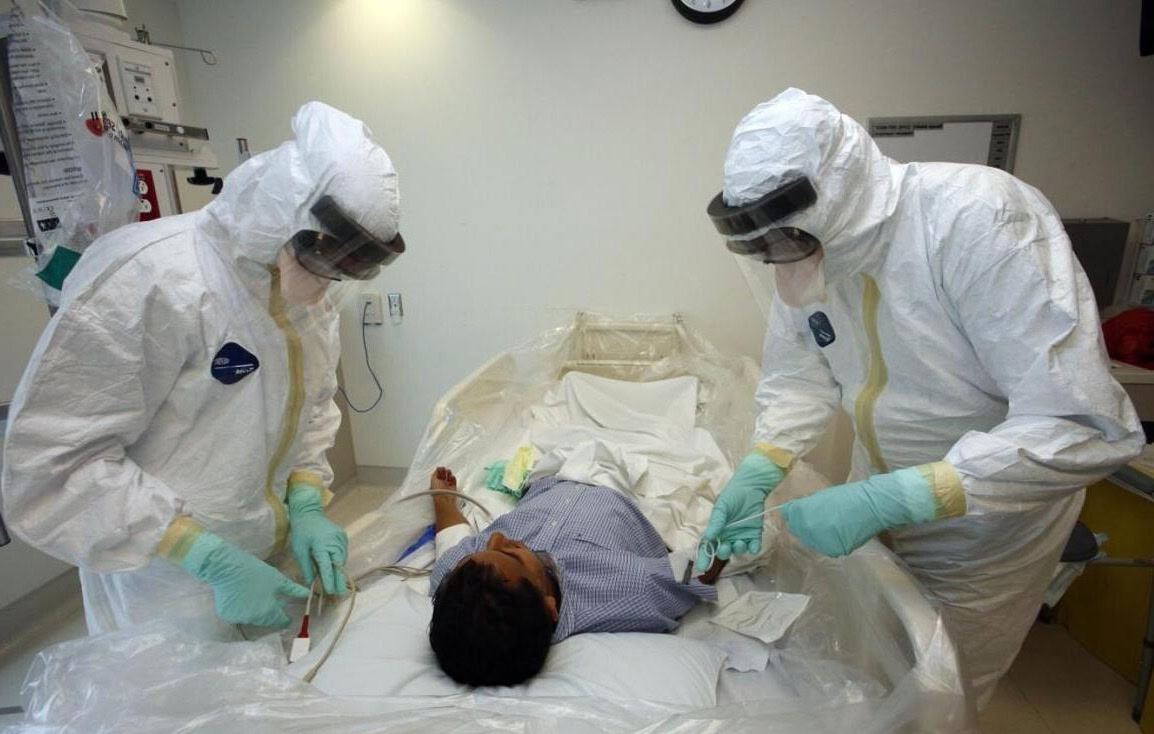
Personal protective equipment (PPE) is essential for protecting healthcare staff from harmful pathogens and controlling infection spread. PPE must be stored near the point of use and generally be single-use unless otherwise specified. Proper disposal or thorough decontamination of reusable PPE is crucial after each use to ensure maximum safety and hygiene for both users and patients. Virus protective full body suits along with protective cleanroom suits, sterile gloves, lab exam gloves, face masks and other emergency preparedness full body suits are available from Cleanroom Connection.
Environmental cleaning strategies
Environmental cleaning is critical in preventing healthcare-associated infections by eliminating germs on surfaces. Effective cleaning protocols in healthcare settings interrupt the transmission of infections. Regular decontamination of surfaces works alongside hand hygiene practices to minimize infection risks. Maintaining cleanliness is imperative as dirty environments significantly increase germ transmission risks. Sterile lint-free wipes and lint-free cleanroom wipes are often used to wipe down critical surfaces in healthcare facilities to ensure contamination free surfaces. Often these wipes are saturated with high-level sporicidal cleaners, sterile bleach, sterile hydrogen peroxide, quaternary ammonium, sterile isopropyl alcohol and other sterile cleaning solutions specifically made for healthcare and pharmaceutical facilities. For convenience purposes, many of these cleaning chemicals come in presaturated cleaning chemical wipe form to elimincate the need to saturate the wipes yourself.

Specialized Infection Control Measures
Infection control programs are crucial in healthcare settings for preventing hospital-acquired infections (HAIs). Key elements include surveillance, isolation, and outbreak management. Standard precautions like hand hygiene, use of personal protective equipment, and safe injection practices are essential for reducing infection transmission.
The need for effective infection control measures is urgent due to the rise in HAIs. Significant reductions in bloodstream infections have been achieved through standardized procedures, such as central venous catheter insertion. Public demand for transparency in healthcare underscores the importance of infection prevention efforts.
Infection control in emergency departments
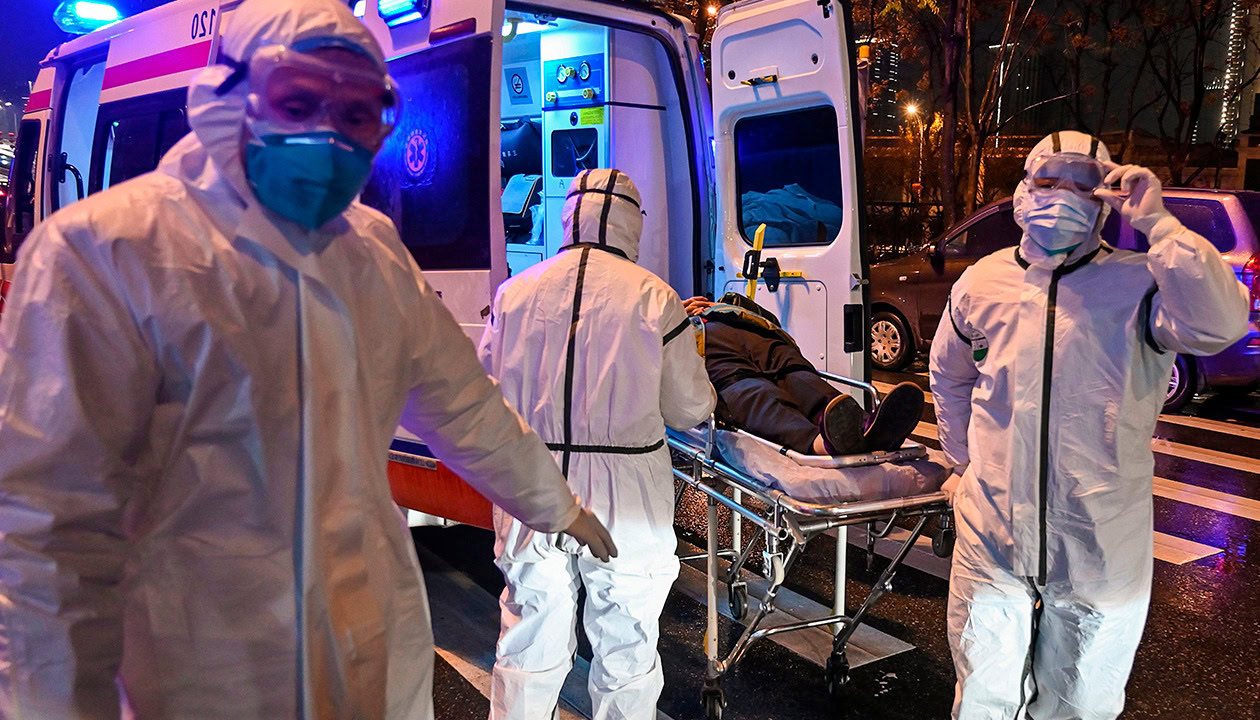
In emergency departments, healthcare workers must remain vigilant against blood and air-borne infections to limit exposure. Early identification and isolation of high-risk patients are vital strategies for reducing contact-related infections. Implementing safety precautions helps minimize infection spread, maintaining the health of both patients and staff. It’s recommended to have a secure stock of virus and blood-borne pathogen protective suits available for emergency preparedness. ViroGuard 1 protective suits are used for evaluating incoming patients and are protective against coronavirus, ebola and HCID environments, while ViroGuard 2 virus and blood-borne pathogen suits protect against coronvavirus, Covid19, Ebola, Monkeypox and other highly-infection diseases in wet patients. These suits are both ASTM F1670 and F1671 rated for blood and blood-borne pathogen protection.
Due to the nature of emergency care, where diverse infectious diseases may present, a heightened awareness of infection control is essential. Effective measures in these settings play a critical role in safeguarding health within the healthcare environment.
Infection control in operating rooms
Surgical site infections present a significant challenge in operating rooms, increasing patient morbidity, mortality, and healthcare costs. Effective strategies include environmental controls, surgical protocols, and patient-related practices to ensure safety. Integrating infection prevention technologies, despite their costs, is crucial for enhancing these measures.
A continuous quality improvement approach, involving active surveillance of infection rates, is essential in surgical settings. Historical perspectives, dating back to Florence Nightingale, emphasize the importance of a clean care environment in operating rooms, underscoring its ongoing relevance in infection control efforts.
Risk Assessments in Infection Prevention
Effective infection control in healthcare settings hinges on comprehensive risk assessments. These assessments are vital before patient admission and throughout their stay. They help identify potential infection risks that could hinder treatment. Patients with multi-drug resistant organisms or symptoms like unexplained fever are at a higher risk for cross-infection. Comprehensive data collection and surveillance aid in identifying and mitigating these risks, forming the backbone of a robust Infection Control Program. The longer a patient’s hospital stay and the presence of medical conditions increase susceptibility to healthcare-associated infections (HAIs).
Pre-admission risk assessments
Pre-admission risk assessments play a crucial role in infection prevention within healthcare facilities. They help identify infection risks before patients are admitted, allowing for better treatment planning. Patients exhibiting symptoms such as diarrhea, vomiting, or known multi-drug resistant organism infections should be flagged for potential cross-infection risks. It’s equally important to consider COVID-19 symptoms like loss of taste or fever during evaluations. Continuously assessing infection risks during a patient’s stay can significantly reduce the spread of infectious agents. For this stage we recommend workers to wear the Viroguard full body virus and pathogen protective suits.
Blood and body fluid management
Proper blood and body fluid management is critical to preventing the spread of infections in healthcare settings. Healthcare workers must practice hand hygiene consistently, especially before and after patient contact. Used or contaminated linen should be placed in water-soluble bags and safely stored before removal. Personal protective equipment (PPE) is essential and must be readily accessible, with proper disposal procedures followed after use. Additionally, respiratory and cough hygiene practices help minimize the risk of cross-transmission, and the microbiology lab’s surveillance of exposure incidents supports infection control efforts. For this stage when dealing with bleeding patients or confirmed infected patients, we recommend the ViroGuard 2 full body suit for wet infected pathogen, virus and blood-borne pathogen patients.
Innovative Technologies in Infection Control
Infection control in healthcare settings is evolving with the integration of innovative technologies designed to prevent cross-transmission of pathogens. These advanced solutions, while effective, often involve substantial financial investments and careful implementation. Poor infection control can lead to increased rates of healthcare-associated infections (HAIs), including those caused by multidrug-resistant organisms, highlighting the need for these advanced measures.
The deployment of best practices and modern technologies is crucial in reducing hospital-acquired infections and enhancing patient safety. A multifaceted approach incorporating the latest technological advancements supports a proactive infection prevention strategy in healthcare environments. Such measures are vital for maintaining the quality of care and protecting diverse patient populations.
Automation and Monitoring Systems
Automated systems play a pivotal role in preventing the spread of infections within healthcare settings. HAIs affect approximately 1 in 31 hospitalized patients, emphasizing the need for rigorous infection control measures. Infection preventionists (IPs) are integral, working to educate healthcare teams, compile infection data, and create policies to reduce these risks.
Hand hygiene stands out as the most vital measure against HAIs, with healthcare workers required to wash hands before and after patient contact. Additional practices, such as cleansing bath treatments and isolation precautions, are crucial, particularly for pathogens like MRSA, ensuring a safer environment for both patients and staff.
Electronic Health Records and Infection Tracking
Sophisticated algorithms in electronic health systems have streamlined the identification and surveillance of patients at high risk for HAIs. These systems have made infection tracking integral to healthcare, complying with mandates from public health authorities for mandatory surveillance.
Electronic health records facilitate healthcare providers’ access to risk assessments and surveillance data at the patient’s bedside, aiding in real-time decision-making. Public health agencies require the reporting of specific infections, strengthening the public health surveillance system. Surveillance programs mainly target infection rates and endemic likelihood, with a keen focus on high-risk areas such as intensive care and surgical units.
Education and Training in Infection Control
The Department of Hospital Epidemiology and Infection Prevention stresses the significance of education in combating healthcare-associated infections (HAIs). Infection control programs, which gained traction in the 1950s, now heavily focus on educational initiatives. Educating personnel, patients, and visitors on infection prevention roles is pivotal for reducing infection rates within healthcare settings. By adhering to guidelines like proper hand hygiene, healthcare providers can enhance patient safety and minimize the spread of infections.
Ongoing education for healthcare personnel
Continuous education is vital for healthcare personnel to comprehend and apply infection transmission and prevention methods effectively. Healthcare professionals benefit from engaging in seminars and workshops designed to update them on communicable disease prevention. Infection prevention liaison programs in hospitals aid in spreading crucial information, while employee health services partner with infection control programs to manage exposure risks. Additionally, new employees should be ensured compliance with vaccination protocols to safeguard against common infections.
Engaging staff in best practices
Engaging healthcare staff in infection control best practices is essential for minimizing infection risks. Personnel should be encouraged to participate in initiatives focusing on their well-being and infection prevention, such as vaccination and screening programs. Collaboration with hospital leaders is critical in designing and implementing effective Infection Control Programs. Regularly assessing infection transmission risks through education on infection control techniques and regulatory compliance helps maintain safety standards. Antimicrobial stewardship programs play a vital role in involving staff to oversee antimicrobial use, leading to improved patient outcomes and reduced healthcare costs.

Compliance Monitoring and Accountability
Effective infection control in healthcare settings is crucial for patient safety and quality of care. Monitoring compliance with infection control measures, particularly hand hygiene, significantly reduces healthcare-associated infections. Advances in measurement techniques, both direct and indirect, help healthcare facilities track and improve compliance, offering essential feedback to healthcare workers.
Assessing adherence to infection control policies
Infection prevention programs integrate surveillance, isolation, and outbreak management to lower infection rates. Adhering to infection control policies involves using standard precautions such as personal protective equipment and safe injection practices. Regular risk assessments help pinpoint potential infection sources, guiding the implementation of control measures that meet the Joint Commission’s standards. Education and consistent training for healthcare professionals are key to ensuring adherence to these policies, fostering a culture of safety and accountability within healthcare facilities.
Challenges in Infection Prevention
Infection prevention in healthcare settings faces increasing challenges due to more patients and the use of invasive technologies. These factors significantly elevate the risk of healthcare-associated infections (HAIs) and demand robust infection control programs. Poor management of these programs can lead to higher rates of infections and outbreaks, affecting hospital operation and community health.
Limited resources often obstruct the establishment of effective infection control, necessitating a balanced approach to cost, clinical outcomes, and patient satisfaction. The rise of multidrug-resistant organisms is a serious concern, requiring ongoing surveillance and updates to policies based on the latest evidence-based practices. Inadequate implementation of infection control measures heightens the risk of various infections, impacting patients’ safety and the quality of care.
Waste Management Challenges
Hospital waste management is crucial to controlling the spread of infection, as infectious waste can transmit diseases. Proper practices include collecting, transferring, and disposing of waste to minimize contamination risks. Waste must be categorized into domestic, contaminated, and high-risk hazardous waste for effective handling.
Clear guidelines should be established for managing spillages of blood or body fluids to prevent transmission of blood-borne viruses. Accessibility to blood or body fluid spillage kits facilitates prompt and effective action, safeguarding healthcare workers, patients, and the wider community from potential hazards.
Promoting a Culture of Safety
Infection prevention is a cornerstone of patient safety in healthcare settings. Infection Preventionists (IPs) play a vital role by observing practices and educating healthcare teams to comply with infection control measures. Hospitals must consistently implement hand hygiene at key moments and maintain rigorous cleaning protocols to eliminate harmful microorganisms on commonly touched surfaces.
Strategies to Foster Accountability
Infection control programs are designed to prevent and reduce hospital-acquired infections (HAIs) through surveillance, isolation, and environmental hygiene practices. Increased demand for transparency has led to greater scrutiny and regulation of infection control efforts. Learning from past successful strategies, such as those highlighted in pivotal reports like the Institute of Medicine’s 1999 publication, helps maintain accountability and drive continuous improvement.
Building a Safety-Oriented Environment
Adopting a safety-oriented approach in healthcare settings is essential to safeguarding everyone from potential infections. Reliable care systems in hospitals can enhance patient safety and reduce the unnecessary use of antibiotics, thereby limiting antibiotic resistance. Emergency departments must practice reasonable safety precautions to curb contact-related infections, while consistent disinfection of surfaces helps decrease pathogen transmission. Practicing Standard Infection Control Precautions (SICP) consistently is key to minimizing hospital-acquired infections (HAIs).