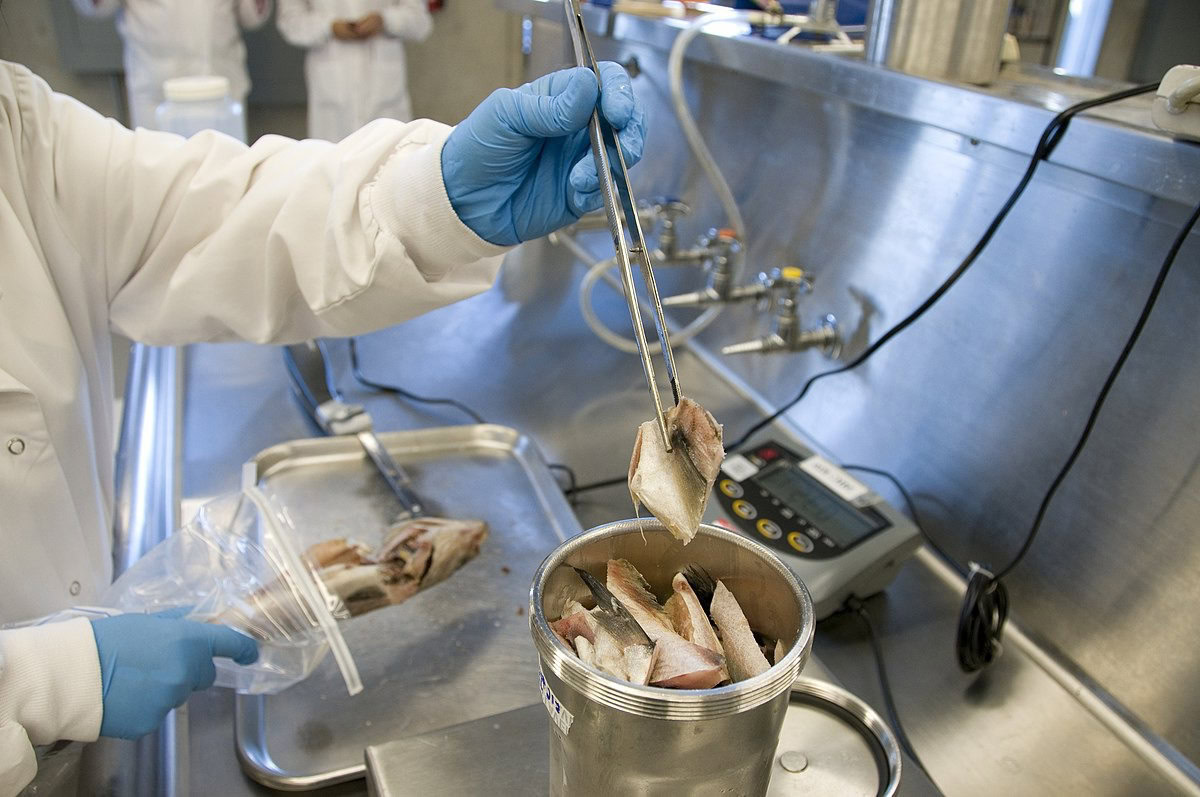
In a world increasingly focused on food safety and quality, the role of advanced technologies in the food laboratory and food lab industry has never been more crucial. Cleanroom technologies, often associated with pharmaceuticals and biotechnology, are now making significant strides within the food industry, transforming how food is prepared and processed. With enhanced airflow and filtration systems, alongside specialized sanitation facilities, cleanroom technologies help mitigate contamination risks, ensuring that food remains safe.
Each sector, from breweries to commercial bakeries, is beginning to recognize the benefits of these innovations in maintaining stringent hygiene standards using cleanroom apparel and cleanroom cleaning supplies. This article delves into the future of food processing by exploring the importance and applications of cleanroom technologies, the design considerations for implementing these systems, the trends reshaping the industry, and the potential challenges that food processors face. Join us as we uncover how cleanroom technologies are set to revolutionize food safety and quality control in the years ahead.
Importance of Cleanroom Technologies in Food Laboratories
Food processing cleanrooms are vital for minimizing contamination, ensuring product quality, and meeting FDA standards. Implementing cleanroom technologies not only boosts production efficiency but also extends product shelf life. By maintaining rigorous hygiene standards, these controlled environments significantly enhance the safety of food products, particularly sensitive ones like dairy and juices.
The design of cleanrooms in food processing facilities must adhere to stringent hygiene standards to ensure product safety and integrity. Continuous monitoring of cleanliness, temperature, and humidity is crucial for complying with industry regulations. This consistency ensures the stability of the food processing environment, minimizing contamination risks.
Enhanced Airflow and Filtration Systems
Food processing cleanrooms employ advanced ventilation and filtration systems to remove contaminants like bacteria and dust effectively. High-efficiency particulate air (HEPA) filters are key components, trapping particles and pathogens that may compromise food integrity. Controlled airflow not only prevents contaminants but also maintains high hygiene levels essential for food safety.
Proper ventilation is critical, as it manages airflow, temperature, and humidity, reducing dust and microorganism presence. These systems ensure sterile conditions, helping food processing facilities meet stringent regulatory standards. By maintaining air quality, cleanroom environments protect against potential food contamination.
Maintaining Cleanliness In A Food Laboratory Cleanroom
Keeping the air contamination free as we’ve discussed is done via HEPA air filtration. The next key aspect of keeping a food laboratory compliant is by using sterile wipes, sterile floor mops and sterile cleanroom suits while working in these critical environments. When handling food, wearing sterile gloves ensures you are not contaminating the food products. Likewise, wearing sterile face masks, and a sterile bouffant cap ensures any bacteria or comtamination from your street clothing is not introduced into the area.
Specialized Sanitation Facilities
Specialized sanitation facilities are crucial in food processing cleanrooms, ensuring staff can maintain necessary hygiene levels. Using proper cleanroom skin care products and cleanroom disinfection chemicals is vital for preventing contamination. Effective layout design prevents cross-contamination between clean and non-clean areas. Sporicidal cleaners, sterile bleach and sterile hydrogen peroxide are used to ensure a bacteria and fungus free environment.
Humidity control within cleanrooms is also essential, as excess moisture can lead to bacteria and mold growth, risking food safety. Tools and instruments should be cleaned and disinfected in designated areas with proper tanks. Construction materials for floors and walls should be non-slip, waterproof, and easy to clean, upholding sanitation standards throughout the food processing facility.

Applications of Cleanroom Technologies in Food Cleanroom Labs
Cleanroom technologies are crucial in the food insustry to maintain high product quality and safety. These controlled environments help prevent contamination and extend the shelf life of food products by minimizing microbial risks. Custom-designed cleanrooms in food processing facilities ensure adherence to stringent operational standards for temperature, humidity, and air particle control. By integrating cleanroom technologies, food manufacturers enhance product safety and gain marketing advantages by highlighting clean production methods. Using the correct food processing cleanroom supplies is also vital to keeping the facility germ-free.
Breweries
In breweries, controlling contamination is essential to maintaining the quality of draft beers. Cleanroom food labs with features like perforated floors and HEPA filters are utilized for aseptic filling processes. Class 5 and 6 cleanrooms allow for controlled pasteurization at lower temperatures, enhancing the organoleptic properties and shelf life of beverages. This cutting-edge approach meets consumer demands for high-quality beers by preserving freshness and aroma profiles.
Meat Processing
Meat processing is particularly vulnerable to contamination from bacteria like Listeria monocytogenes. Food laboratory facilities help mitigate these risks by providing controlled spaces that adhere to stringent hygiene practices. The demand for cleanroom technologies has risen with the popularity of ready-to-eat meats, ensuring adherence to food safety standards and regulations. By maintaining such environments, the meat processing industry protects both product quality and consumer health.
Institutional Kitchens
Institutional kitchens must meet high food safety standards similar to those in food processing plants. Cleanrooms in these settings isolate contaminants and maintain controlled air quality, which extends the shelf life of food products. Personnel working in these kitchens undergo specialized training in contamination control and follow strict gowning procedures. Adherence to ISO standards, like ISO 14644-1: 2015, ensures cleanliness levels suitable for food safety.
Commercial Bakeries
Cleanroom environments are becoming essential in commercial bakeries to enhance the production of baked goods and confectionaries. These environments control bacteria levels, humidity, and temperature, ensuring product quality and consistency. Cleanrooms facilitate better automation in production processes, which is crucial for consistency and quality. In the confectionery sector, where hygiene is paramount, cleanrooms help to maintain safety standards and consumer trust by reducing contamination risks.

Design Considerations for Food Laboratory Cleanroom Implementation
Cleanrooms are essential in the food processing industry to maintain a controlled environment, minimizing contamination from airborne particles. The design process must consider the flow of materials and personnel to isolate critical processes, reducing potential contamination. Furthermore, attention to panel and joint installation is crucial to prevent water migration and the associated risk of mold and bacterial growth.
Key features such as air showers, HEPA filters, and unidirectional airflow are integral to maintaining cleanroom conditions. These features ensure a high level of hygiene necessary to protect food products. Additionally, cleanrooms can be customized with doors, windows, and filtration systems tailored to meet specific operational needs of various food processing applications. Maintaining cleanliness compliance is also greatly enhanced by using the correct cleanroom supplies to maintain the food laboratory.
Compliance with Industry Standards
Cleanrooms in food processing facilities help comply with stringent regulations and hygiene standards set by regulatory bodies. Continuous monitoring of environmental conditions like temperature, humidity, and particle counts ensures adherence to these standards. Advanced filtration and ventilation systems play a critical role in maintaining cleanliness by keeping contaminants like bacteria and dust at bay.
Implementing strict hygiene protocols in cleanrooms maintains product integrity and adheres to health and safety regulations. Cleanrooms also support technological innovations, allowing food processing companies to meet evolving industry standards and adapt to shifting consumer expectations.
Custom Solutions for Sector-Specific Needs
To meet specific environmental standards, cleanrooms in the food industry require strict control of temperature, humidity, and air particle levels. These needs often necessitate custom solutions, developed through collaboration between manufacturers and investors to tailor designs to particular production processes. Custom environmental controls are crucial for managing humidity fluctuations caused by food processing and packaging activities.
Cleanroom technology offers key benefits like extended shelf life and safer products, which are optimized through personalized design and advanced monitoring specific to the food manufacturing sector’s requirements. Specialty food processors, such as those making gluten-free or lactose-free products, frequently utilize custom cleanroom solutions to maintain high safety standards for their unique needs.
Trends Influencing Cleanroom Technologies
The increasing application of cleanroom technology in the food processing industry is driven by a rising demand for stringent food safety standards, especially in facilities managing sensitive products like meat and dairy. Cleanrooms are essential for preventing cross-contamination and ensuring the integrity of food products, a critical factor in catering to consumer preferences for specialty foods such as gluten-free and lactose-free items. Proper design and management of these environments ensure that food safety and quality meet the highest standards, helping manufacturers build consumer trust.
Growing Demand for Food Safety
The food processing industry faces escalating pressures to ensure food safety, prompted by consumer expectations for greater accountability. The Hazard Analysis & Critical Control Points (HACCP) framework and the Food Safety Modernization Act (FSMA) enforce rigorous food safety standards, fostering the need for cleanroom technologies. As organic food preferences grow and alternative sanitizers gain popularity, food processing facilities must adapt to evolving safety requirements.
Innovations in Food Labs & Cleanroom Containment Solutions
Cleanroom containment solutions play a vital role in maintaining health standards within food processing environments. Utilizing HEPA, ULPA, and carbon filters, these solutions efficiently eliminate hazardous substances. This technology is crucial for reducing risks from foodborne pathogens, significantly in ready-to-eat meat production. Additionally, cleanroom systems enhance operational efficiency and product shelf-life, proving beneficial for manufacturers. Get help choosing the correct cleanroom products by working with a cleanroom supplier that has extensive experience, like Cleanroom Connection.
Rapid Delivery Timelines for Installation
Installing cleanrooms in food processing facilities requires tailored solutions and robust collaboration between stakeholders to achieve rapid deployment. The integration process relies on sophisticated ventilation and filtration systems, which help maintain controlled conditions. Attention to detail in design and management ensures compliance with air particle, temperature, and humidity standards, expediting the installation timeline and efficiency in production operations.

Challenges in Adopting Food Processing Cleanroom Technologies
Implementing cleanroom technologies in the food processing industry poses several challenges. Proper staff training is crucial to ensure personnel understand and respect the strict protocols required in cleanroom environments. Lapses in these protocols can lead to contamination risks, hampering product quality and food safety. Additionally, fluctuations in relative humidity caused by food processing and subsequent cleaning can damage cleanroom equipment, highlighting the need for careful design and ongoing monitoring. Collaboration between manufacturers and investors is vital to create custom cleanroom designs that meet high operational standards and address these challenges effectively.
Cost Considerations
Investing in cleanrooms is essential for maintaining high hygiene standards in the food manufacturing process, reducing the risk of contamination. The design and construction of cleanrooms need careful consideration, as most are custom-made to meet stringent safety and quality requirements. Maintenance goes beyond initial installation; it involves continuous upkeep and the use of materials that promote easy cleaning. While the initial investment might be significant, cleanrooms offer improved production efficiency and enhanced shelf life for food products, resulting in potential cost savings in waste management.
Training and Maintenance
Thorough employee training is fundamental to ensure personnel can effectively minimize contamination risks in food processing cleanrooms. Workers must adhere to specialized gowning and clothing procedures to limit particulate contamination and maintain a sterile environment. It’s essential for facility managers to limit the number of employees accessing cleanrooms to mitigate contamination risk, while maintaining compliance with hygiene standards. Continuous monitoring and regulation of temperature and humidity are crucial to uphold optimal conditions for food safety. Comprehensive staff training, including contamination control theory, ensures employees can perform their duties without compromising food safety.
The Future Outlook for Cleanroom Technologies in Food Processing
Cleanroom technology is becoming crucial in the food processing industry for ensuring both safety and hygiene. By creating environments that combat foodborne bacteria, particularly in vulnerable products like meats, cleanrooms extend shelf life and boost product stability. This leads to reduced waste and increased profitability for food manufacturers. Additionally, the precise control over cleanroom conditions addresses issues like fluctuating humidity, enhancing both equipment and product safety. Adopting cleanroom technology not only elevates hygiene standards but also strengthens consumer trust with clear evidence of commitment to food safety.
Potential Developments and Innovations
The transition of cleanroom technology from other sectors into food processing and packaging heralds safer products and longer shelf life. Food manufacturers can maximize these benefits through proper design, employee training, and facility monitoring. New developments in cleanroom tech will aid in better controlling environmental aspects such as humidity and temperature. This comprehensive environmental control enhances safety and quality, addressing the increasing complexity of food products like ready-to-eat meats and decorative confectioneries.