
The Importance of Cleanroom Suits in Healthcare & Pharma
Maintaining sterile conditions is essential in healthcare and pharmaceutical environments. Even minimal contamination can lead to serious issues, from infections in patients to product recalls and regulatory issues. That’s where disposable cleanroom suits come in. These specially designed garments serve as a barrier against airborne particles, microbes, and other contaminants, helping keep controlled environments as clean and sterile as possible.
Why Contamination Control is Critical
In healthcare and pharmaceutical settings, contamination can pose life-threatening risks and cause significant financial losses. Airborne particles, microbes, or chemical residues can impact patient safety, product quality, and compliance with safety regulations.
Protecting Patients
Patient safety is the number one priority in healthcare, where contaminants can lead to infections, allergic reactions, or other health issues. Disposable cleanroom suits help prevent healthcare workers from introducing harmful particles into sterile environments, ensuring that the health of the patient health isn’t compromised.
Maintaining Product Integrity
For pharmaceutical companies, keeping environments free from contamination is key to the quality and safety of medicines, vaccines, and medical devices. A single stray particle during production can ruin entire batches, leading to costly recalls. Cleanroom suits help maintain product quality by stopping particles and microbes from entering the manufacturing environment.
Meeting Regulatory Standards
agencies like the FDA and ISO (International Organization for Standardization) have strict standards for contamination control in healthcare and pharmaceutical settings. Failing to meet these standards can lead to halted production or even facility shutdowns. Cleanroom suits and other personal protective equipment (PPE) are crucial for staying compliant and keeping operations running smoothly.
Cleanroom Classifications Explained
Cleanroom suits are classified based on ISO cleanliness standards. The higher the ISO class, the fewer particles allowed per cubic meter of air.
In healthcare and pharmaceutical environments, the most common cleanroom classes are ISO Class 4 and ISO Class 5. Class 5 allows up to 100,000 particles per cubic meter, while Class 4 allows just 10,000. These cleanroom environments are critically important for processes like drug manufacturing and medical device production, where preventing contamination is key.
Understanding these classifications is important when choosing the right cleanroom suits and protective gear. Working with cleanroom product experts like Cleanroom Connection can ensure you select the best products for your specific needs.
How Cleanroom Suits Prevent Contamination
Specialty Fabrics
Cleanroom suits are made with fabrics that act as a strong barrier against contaminants. Tyvek, a popular material for cleanroom suits, is made from polyethylene fibers that are bonded by heat and pressure to create a protective fabric that his both breathable and durable. Non-woven fabrics such as these are designed to be low-lint, preventing any particles from shedding and entering the sterile environment. This high-quality fabric not only blocks airborne particles but also reduces the risk of contamination during crucial healthcare and pharmaceutical procedures.
Bound Seams & Elastic Cuffs
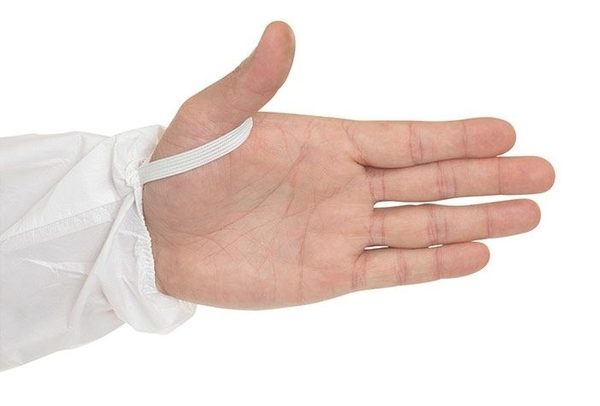 Cleanroom suits feature bound seams—seams reinforced with bias tape or seam binding—to prevent particles from escaping and maintain the suit’s integrity over time. Elastic cuffs further prevent contaminants from entering or leaving the suit. This design is important for maintaining a sterile environment, especially during long hours or high-movement activities.
Anti-Static Properties
Static electricity can attract airborne particles, which is a significant concern in any cleanroom. Cleanroom suits are often made with anti-static properties to stop static charges from building up. This helps keep particles trapped inside the suit rather than sticking to the surface. By reducing particle movement, anti-static technology plays a key role in maintaining cleanliness in healthcare and pharmaceutical settings.
Moisture Management & Breathability
Comfort is important when workers are in cleanroom suits for long periods of time. Many cleanroom suits feature moisture-wicking fabrics that allow for airflow, keeping wearers comfortable without compromising sterility. This balance ensures that suits are comfortable and effective for long shifts in demanding conditions.
Choosing the Right Cleanroom Suit for Your Needs
Selecting the right disposable cleanroom suit involves evaluating several important factors to ensure optimal protection and contamination control. The environment, the type of tasks, and the level of protection needed all play a role in choosing the best suit.
Environmental Factors
Consider the cleanroom classification, air quality, and exposure to chemicals or biological materials when choosing a suit. It’s also important to think about how long the suit will be worn and how often it will need to be replaced.
The Lakeland CleanMax Coverall Bunny Suit offers great protection in cleanroom environments, thanks to its durable, lint-free material that blocks airborne particles and microbes. Whether you need sterile or non-sterile options, this suit is a great choice for healthcare and pharmaceutical settings where maintaining sterility is critical.
Risk Considerations
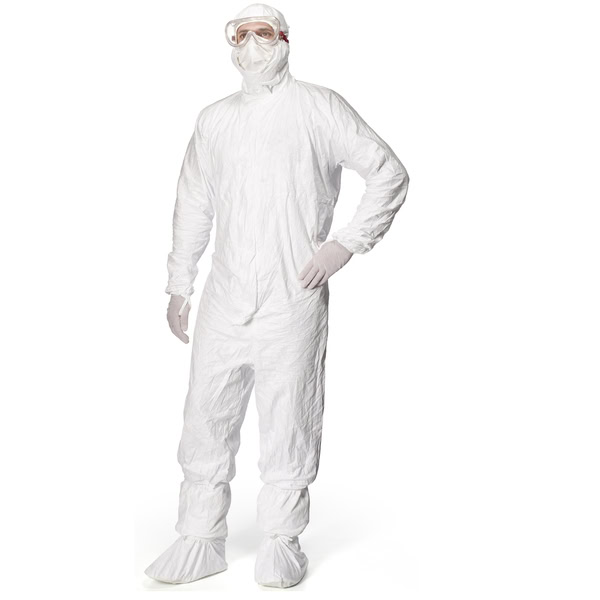
The level of protection required depends on the tasks, the personnel’s vulnerability, and the potential exposure to hazardous materials. Whether workers are exposed to biological contaminants, chemicals, or particles, it’s important to assess the specific risks they face. Understanding these risks ensures the suit selected provides the necessary barrier, helping to prevent contamination and protect both workers and the environment.
If you need full-body coverage, the GammaGuard CE Sterile Coverall with Hood & Boot provides comprehensive protection. Made from non-shedding materials, it offers complete coverage from head to toe, making it perfect for environments where sterility and contamination control are paramount.
Practical Application
Practical factors, like cost, storage, and availability, also affect which cleanroom suit is best for you. Comfort, ease of use, and environmental impact are additional considerations that ensure the suit can be used effectively in the real world.
For those working in highly controlled environments, DuPont IsoClean Sterile Coveralls deliver reliable protection with their breathable, lightweight Tyvek® fabric. These coveralls meet strict standards and are comfortable enough for long shifts, making them ideal for industries that require consistent contamination control.
Cleanroom Suit Solutions from Cleanroom Connection
Don’t settle for anything less than the best cleanroom suit for your needs. At Cleanroom Connection, we provide high-quality cleanroom suits to meet even the strictest contamination control standards. Our experts can help you choose the right suit by assessing your specific requirements and finding the balance between protection, comfort, and practical use.
Explore our selection of cleanroom suits, read our latest articles on cleanroom supplies, or contact us today to discuss your options. With Cleanroom Connection as your partner, you can trust that your controlled environments will stay clean, safe, and compliant.