Cleanroom Technology 2030: Predictions for Key Industries and Applications
As we march toward a rapidly evolving future, the demand for cleanroom technology is more critical than ever. This essential infrastructure underpins industries where precision and contamination control are paramount, setting the stage for advancements that hinge on its capabilities.
Key sectors such as pharmaceuticals, semiconductor manufacturing, and electronics are driving the growth of cleanroom technology, each relying on it to maintain product integrity and comply with stringent regulations. These industries not only highlight the significance of cleanrooms but also underscore the innovations reshaping how we approach contamination management.
Looking ahead, the intersection of technology and cleanroom environments is poised for transformation by 2030. This article explores the key industries fueling this evolution, the innovations emerging on the horizon, and their implications for the future of cleanroom technology.
The Importance of Cleanroom Environments
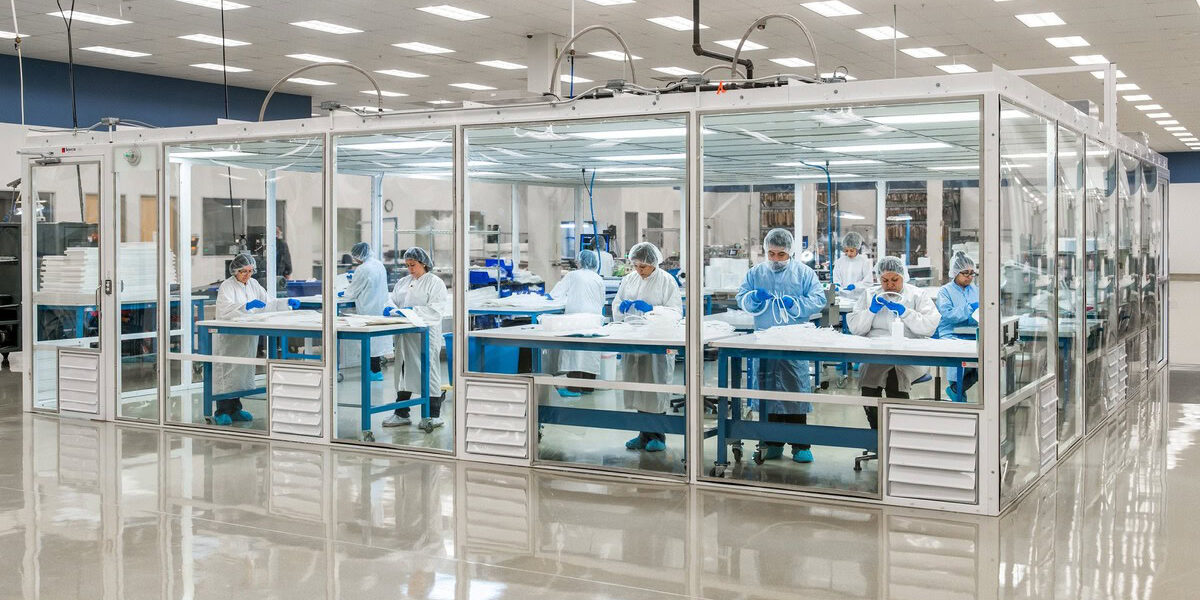
Cleanroom technology plays a critical role in maintaining a controlled environment necessary for various high-quality products. It helps minimize airborne particles, ensuring stringent cleanliness standards in industries like pharmaceuticals and biotechnology. These sterile environments reduce the risk of contamination, protecting both workers and products.
One of the key aspects of cleanroom operations is maintaining specific particle levels. Cleanroom design includes managing temperature, airflow, and pressurization to keep the atmosphere contaminant-free. This controlled environment supports operational efficiency and product quality. Learn more about cleanroom ISO classifications. Biometric access control is another tool in cleanroom technology, enhancing security and further reducing contamination risks by limiting human intervention. This ensures only authorized personnel enter the cleanroom space.
Industries Utilizing Cleanroom Environments
Pharmaceutical Cleanrooms : For manufacturing safe and effective drugs.
Semiconductor Cleanrooms : For precise electronic components.
Medical Device Manufacturing Cleanrooms : Ensuring safety and reliability.
Cleanroom environments act as barriers against harmful agents, essential in research and development. By providing a space free of contaminants, they are vital for accurate scientific results and the successful manufacturing of advanced materials. Cleanroom supplies and sterile cleanroom suits are used in these sensitive environments to clean and protect workers.
Key Industries Driving Cleanroom Growth
Cleanroom technology is becoming essential across various industries, with a robust growth outlook. The global cleanroom market is set to expand from $7.5 billion in 2023 to $10.9 billion by 2028, reflecting a CAGR of 7.6%. This growth is fueled by the demand for contamination-free production and regulatory adherence. Government efforts to improve healthcare infrastructure also foster cleanroom adoption, benefitting the pharmaceutical and electronics sectors.
Pharmaceutical Manufacturing Cleanrooms
Cleanrooms are critical in the pharmaceutical industry. They ensure the sterile manufacturing of drugs and biologics, preventing contamination and maintaining product quality. Following good manufacturing practices (GMP) within these controlled environments enhances operational consistency. Cleanrooms are where Active Pharmaceutical Ingredients (APIs) are developed, protecting against microbes that can affect drug efficiency. As the industry focuses more on biologics, vaccines, and gene therapies, cleanroom technology is vital for safeguarding sterility and product safety.

Semiconductor Manufacturing Cleanrooms
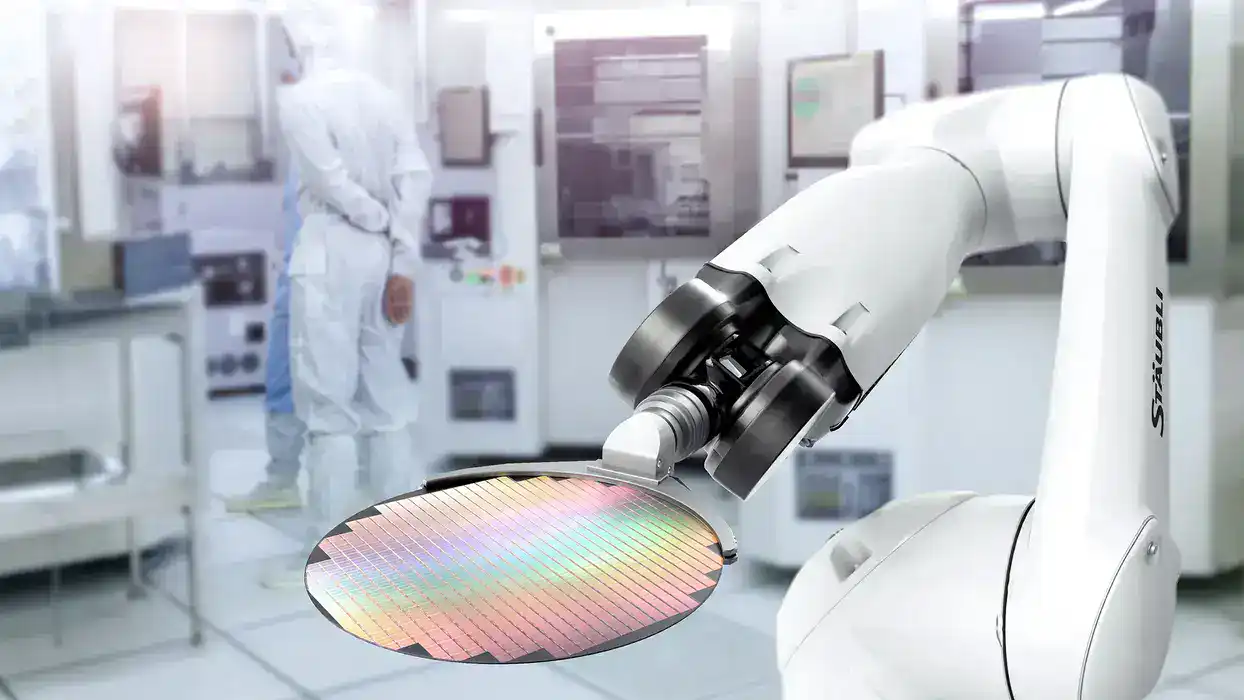
Semiconductor manufacturing relies heavily on cleanrooms. These environments prevent particle contamination during the fabrication of silicon wafers, microchips, and integrated circuits (ICs). The segment is projected to grow with a CAGR of 5.4%, driven by the increasing use of semiconductors in electronic devices. Cleanrooms equipped with advanced air filtration systems, like HEPA and ULPA filters, maintain the necessary cleanliness. Compliance with ISO 14644-1 Class 4 to Class 6 standards ensures the quality and reduces semiconductor failures.

Electronics Manufacturing Cleanrooms
In electronics, cleanrooms are crucial, especially for semiconductor production. The sector’s growth is driven by the demand for strict contamination control. Advances, such as automation and real-time monitoring, enhance their effectiveness. The aerospace industry also relies on cleanrooms to create precision tools, like space-flight lasers, to avoid contamination. Modular and flexible cleanrooms are becoming popular due to their affordability and versatility, meeting the diverse needs of electronics production.
Innovations Shaping Cleanroom Development
Cleanrooms are evolving with exciting new innovations. Self-decontaminating surfaces now use special photocatalytic coatings and antimicrobial materials. These innovations cut down on the need for manual cleaning. The introduction of 3D printing in cleanroom construction allows for custom-made parts. This technology can speed up building times and reduce costs with on-demand fabrication.
Artificial Intelligence (AI) plays a big role in enhancing cleanroom operations. AI analyzes sensor data for predictive maintenance of equipment, helping foresee potential issues before they cause downtime. Security is also improving. Biometric access controls, such as fingerprints or facial recognition, reduce unauthorized entry, cutting down the risk of contamination. Specialized surface coatings for sanitation further enhance product quality and cleanliness in these controlled environments.
Modular Cleanrooms
Modular cleanrooms are pre-engineered for swift assembly. This reduces downtime when compared to building traditional cleanrooms. Their cost-effectiveness comes from standardized designs that save on materials and labor. Modular cleanrooms are flexible and can adapt to changing needs. They use prefabricated hard walls that can be customized for different tasks.
These cleanrooms adopt sustainable practices and use eco-friendly materials. This makes them more energy-efficient. By integrating smooth surfaces and efficient air filtration, modular cleanrooms effectively keep contaminants at bay, maintaining stringent cleanliness standards.
Advanced Air Filtration Systems
Advanced air filtration systems are key to cleanroom environments. They use high-efficiency particulate air (HEPA) and ultra-low penetration air (ULPA) filters. These filters help maintain the necessary cleanliness levels by trapping tiny airborne particles.
Cleanroom Air Handling Units (AHUs) come with multiple filtration options. These include Panel & Bag filters, HEPA filters, and activated carbon filters. AHUs recirculate around 90% of the air, ensuring high filtration rates and maintaining positive pressure to prevent contaminants. Using these filtration technologies enhances energy efficiency, cuts operational costs, and ensures cleanroom particle counts remain low.
Smart Monitoring Solutions
Smart monitoring solutions in cleanrooms are essential. IoT devices automate the collection of data on key parameters, such as particle levels, humidity, and temperature. These systems send real-time notifications if standards deviate, minimizing downtime, and ensuring high-quality products.
The proactive nature of these technologies allows for quick responses to potential contamination threats. Smart sensors in cleanroom panels control and monitor vital parameters, improving safety and productivity. Advanced HVAC systems, controlled smartly, optimize energy use while maintaining ideal conditions, showcasing the advancements in cleanroom technology.
Emerging Trends in Cleanroom Technology
Cleanrooms are evolving thanks to new technologies and practices. One significant trend is the integration of 3D printing in cleanroom design. This allows for creating custom parts quickly and at lower costs. The cleanroom technology market in Japan is also experiencing growth. This is due to its strong semiconductor manufacturing sector and focus on research. Europe’s growth in cleanroom technology comes from its vibrant pharmaceutical sector. Countries like Germany and the UK are investing in biotechnology and nanotechnology.
Integration of Nanotechnology
Nanotechnology is changing the game for cleanrooms. It enhances air quality and particle removal, leading to better production outcomes. Cleanrooms in nanotechnology focus on creating innovative materials like nanotech solar cells. These are cheaper to produce than traditional solar panels. Cleanrooms also play a role in molecular electronics and other advanced research areas. This integration supports multiple industries, driving forward technological advancements.
Application of Artificial Intelligence
Artificial Intelligence (AI) is a powerful tool in cleanroom operations. It helps operators analyze real-time data for maintenance and improvement. AI can predict equipment issues before they cause downtime. This ensures a smooth operation and optimized performance. AI systems are also used to control cleanroom conditions. By analyzing sensor data, these systems boost productivity and energy efficiency. The use of AI leads to cleaner environments and increased operational efficiency.
Contamination Control
Controlling contamination is crucial in cleanrooms, especially in the pharmaceutical and biotech sectors. Good Manufacturing Practices (GMP) are key to keeping contamination at bay. They ensure drugs and other products remain sterile and effective. Specialized coatings and advanced manufacturing techniques improve sanitation. Proper filtration and airflow strategies also help optimize energy use while maintaining cleanliness. These measures are vital for the integrity of the products made in cleanrooms.
Energy Efficiency
Energy efficiency is a focus in cleanroom operations. Tools like energy consumption calculators help project future needs. Practices such as using LED lights and occupancy sensors reduce carbon footprints. Modern HVAC systems with smart controls save energy while keeping cleanliness levels high. Enhancing energy efficiency across industries requires advanced cleanroom technologies. These efforts not only cut costs but also support sustainable practices in maintaining sterile environments.
In summary, the cleanroom industry is set to benefit from new technologies and methods. From 3D printing and AI to nanotechnology and energy-saving practices, these trends ensure cleaner, more efficient, and cost-effective production environments.
Regulatory Standards Impacting the Industry
Regulatory standards play a critical role in cleanroom industry operations. Compliance with these standards ensures a controlled environment that minimizes the risk of contamination. Modular cleanrooms are an ideal solution, as they can be tailored to meet ISO requirements. These cleanrooms are especially prevalent in the biopharma sector due to their ability to satisfy stringent regulatory demands.
Modular cleanrooms also adhere to cGMP requirements, which are vital for maintaining product quality and safety. These standards ensure that industries, from semiconductor to pharmaceutical, achieve high-quality products. The growth in the cleanroom technology market is driven by the need for stringent cleanliness standards. These include energy efficiency and operational efficiency. As regulations become even more demanding, cleanroom operations will adjust to these requirements, ensuring environments free from airborne particles. Cleanroom supplies & cleaning products are vital for continued compliance and maintenance in cleanroom environments.
Overall, regulatory standards guide the design and operation of cleanrooms, ensuring they meet the rigorous needs of various industries.
Future Outlook: Predictions for 2030
By 2030, the global cleanroom technology market is expected to reach USD 10.82 billion, growing at a compound annual rate of 5.9%. North America leads with a 39.5% market share in 2024, propelled by stringent cleanliness standards and the need for high-quality products.
Here’s what to expect:
– Technology Innovations: Look for self-decontaminating surfaces and AI-driven predictive maintenance. These advancements will boost operational efficiency and reduce the risk of contamination.
– Regional Growth:
– Canada: Government efforts to improve healthcare will drive cleanroom growth.
– Mexico: Rising investments in healthcare and pharmaceuticals will fuel market expansion.
Cleanroom environments will be critical in industries such as the medical industry, semiconductor industries, and pharmaceutical manufacturing. As these sectors require controlled environments to maintain product quality, the role of cleanroom technology becomes more vital. Expect cleanrooms to become essential for producing high-quality products while ensuring energy efficiency and managing particle levels. The future holds significant growth as industries adapt to these evolving demands.