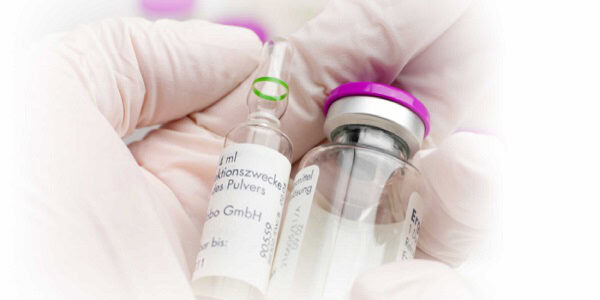
“Sterile” on a product label means one specific thing: the product was tested and confirmed free of viable microorganisms. That’s a meaningful designation, but it doesn’t cover particle count, manufacturing environment, or whether the packaging is compatible with aseptic transfer into an ISO Class 5 critical zone.
For compounding pharmacies and other controlled environments operating under USP 797 or USP 800, understanding what “sterile” covers and what it doesn’t is the foundation of good product selection. This guide walks through what sterility means, how it differs from cleanroom-grade sterility, and what to verify before specifying supplies for your environment.
What “Sterile” Actually Means on a Product Label
“Sterile” means the product passed a microbiological test confirming it’s free of viable organisms. Manufacturers achieve this through gamma irradiation, ethylene oxide treatment, or autoclave sterilization. That’s what the label certifies.
It does not certify:
- The particle count of the manufacturing environment
- The cleanliness of packaging materials
- Whether the product sheds particles during use
- Suitability for any specific ISO cleanroom classification
A sterile product made in a conventional manufacturing environment can introduce particulate contamination the moment it enters your ISO Class 5 anteroom. The sterility designation has done its job. It never promised anything about particles.
The Certificate of Analysis Tells You More Than the Label
Every sterile product from Cleanroom Connection ships with a certificate of analysis (CoA). It documents the sterilization method, lot number, sterility test results, and expiration date. For ISO Class 5 environments and USP 797/800 compounding facilities, requesting the CoA before placing a standing order is standard practice.
If a supplier can’t provide a CoA on sterile products, that’s worth noting before you commit to the relationship.
Why Gamma Irradiation Is Not the Whole Answer
Gamma irradiation is one of the most reliable sterilization methods available. It penetrates packaging without leaving residue and produces a measurable sterility assurance level (SAL). The limitation is that it sterilizes the product as packaged. It doesn’t clean the product or remove particles introduced during manufacturing. A glove gamma-irradiated after assembly in a non-controlled environment arrives sterile. It may also arrive particle-laden.
Sterile vs. Clean vs. Clean and Sterile
This is where most selection errors originate. Three different product grades that get used interchangeably in procurement conversations.
Sterile: Free of viable microorganisms. No specification on particle count or manufacturing environment.
Clean: Manufactured in a controlled environment with documented particle count standards. May or may not be sterile. Appropriate for ISO Class 7 and 8 operations that need low-particulate supplies but don’t require sterility at every point.Clean and sterile: Manufactured in a controlled cleanroom environment and then sterilized. This is the designation required for ISO Class 5 operations and USP 797/800 aseptic compounding environments. Both microbial and particulate risks are addressed.
Applying the Right Grade to Your Environment
For ISO Class 7 and Class 8 environments, clean non-sterile supplies are appropriate for indirect product contact areas. The particle load is controlled; sterility isn’t required at every point.
For ISO Class 5 critical zones, including laminar airflow workbenches, biological safety cabinets, and compounding isolators under USP 797, supplies need to be clean and sterile. Non-sterile items introduced into these areas carry microbial contamination risk regardless of particle count.
A practical rule: match the product grade to the ISO classification of the area where the product will be opened and used, not where it’s stored.
Why Packaging and Processing Environment Matter
A sterile product with outer packaging assembled in a non-ISO environment creates a problem at the point of transfer. When the outer wrapper is removed in your anteroom, particles from that packaging enter the environment. If the inner packaging was handled in a conventional facility, contamination can be introduced through the unpacking process itself.
That’s why the manufacturing and packaging environment matters. It’s not just about what happened at the end of the sterilization line.
Double-Bag Packaging for Aseptic Transfer
Supplies intended for ISO Class 5 use should be double-bagged: an outer layer removed in the ISO Class 7 or 8 anteroom, and an inner sterile layer transferred into the critical zone. Not all sterile-labeled products are packaged this way.
Double-bag packaging is a separate requirement from sterility and needs to be specified explicitly when ordering. Apparel, gloves, and wipes for ISO Class 5 use should all include documentation confirming cleanroom-compatible packaging. If the product specification sheet doesn’t address the packaging environment, request that information before approving the product for critical zone use.
What the Manufacturing Environment Should Document
For critical applications, the product specification or CoA should identify the ISO classification of the manufacturing environment. Products made in ISO Class 5, 6, or 7 environments carry a different particle profile than those made in general industrial facilities, even after sterilization.
Authorized distributors with direct manufacturer relationships can provide this documentation. A catalog-only reseller often can’t. Your facility’s SOPs should define the documentation requirements for supplier qualification.
Matching Sterile Cleanroom Supplies to Your ISO Classification
ISO Class 5 (Class 100)
ISO Class 5 is the most stringent classification in pharmaceutical compounding. USP 797 requires ISO Class 5 conditions at the compounding site. Every supply introduced into this environment needs to be clean and sterile, individually packaged in cleanroom-compatible materials, and transferred using aseptic technique.
Product specifications for ISO Class 5:
- Apparel: Sterile coveralls, hoods, gloves, and shoe covers manufactured and packaged in a controlled environment. Seams should be sealed or ultrasonically welded to limit fiber shedding.
- Gloves: Sterile, powder-free, rated for the specific task. For USP 800 hazardous drug compounding, gloves must meet ASTM D6978 permeation standards. Double-gloving with inner and outer sterile gloves is standard practice in high-risk compounding environments.
- Wipes: Sterile, lint-free, pre-saturated or dry, manufactured in an ISO-classified environment. The saturation solution should be appropriate for the surface being wiped and compatible with USP 797 protocols.
- Mops: Sterile mop covers for floor and surface decontamination. Single-use only. Don’t reuse them between cleaning passes.
ISO Class 7 and Class 8
The anteroom under USP 797 must be maintained at a minimum of ISO Class 7. Not all supplies used in these areas require sterility, but they do need low-particulate ratings. Non-sterile cleanroom-grade apparel is appropriate here. Gloves used for material preparation and transfer should still be powder-free and cleanroom-rated, even if not sterile.
The procurement distinction that matters: supplies approved for ISO Class 7 and 8 use shouldn’t be substituted into ISO Class 5 areas, even when they look similar. Product grade, packaging type, and manufacturing environment specifications differ between zones. Your facility’s SOPs should define the specific requirements for each area.
Common Selection Mistakes
A few purchasing decisions show up regularly in cleanroom supply procurement:
- Choosing sterile products without checking the manufacturing environment. A sterile glove made in a conventional facility and individually wrapped in standard packaging isn’t appropriate for ISO Class 5 critical zone use. Sterility alone doesn’t make it suitable.
- Assuming all sterile-packaged products are double-bagged. Double-bag packaging must be specified explicitly. Single-wrapped sterile products work for many applications, just not for aseptic transfer into ISO Class 5 environments.
- Skipping CoA reviews on standing orders. Product formulations and manufacturers change. Reviewing the CoA at initial qualification isn’t a substitute for ongoing verification. Lot-to-lot confirmation matters for sterile gloves and wipes used in aseptic compounding.
- Combining ISO Class 7 and ISO Class 5 supply lists. Consolidating purchasing makes sense for efficiency. It becomes a problem when the same product ends up approved for both zones. Review each ISO area’s supply list independently.
- Sourcing from suppliers who can’t provide manufacturing documentation. If a supplier can’t confirm the manufacturing environment classification for a critical zone product, you’re working from an assumption. That’s worth identifying before you finalize a standing order.
Get the Right Sterile Cleanroom Supplies for Your ISO Environment
Good product selection starts with understanding what your ISO classification actually requires. Sterility is part of the picture, but the manufacturing environment, packaging configuration, and proper documentation matter just as much.
Cleanroom Connection carries sterile cleanroom supplies across apparel, gloves, wipes, mops, and cleaning chemicals. Our team is trained in USP 795, 797, and 800 compliance and we have authorized distributor relationships that give us access to full manufacturer documentation. If you’re reviewing a purchasing list or evaluating products for a specific environment, we’re glad to help. You can also review our resources on USP 800 compliance as a starting point.
Submit your product list for a quote at cleanroomsupplies.com and receive pricing within 30 minutes.
Frequently Asked Questions
What is the difference between sterile and clean and sterile cleanroom supplies?
“Sterile” means the product is free of viable microorganisms. “Clean and sterile” means it was manufactured in an ISO-classified controlled environment and then sterilized. For ISO Class 5 and USP 797/800 aseptic compounding, clean and sterile is the required designation. Sterile alone doesn’t address the particle risk from non-cleanroom manufacturing environments.
Are all sterile gloves suitable for ISO Class 5 use?
No. For ISO Class 5 critical zones, gloves also need to be manufactured and packaged in a controlled environment. For USP 800 hazardous drug compounding, they must additionally meet ASTM D6978 permeation standards. Confirm both the sterility designation and the manufacturing environment before approving a glove for critical zone use. Browse our sterile glove options at cleanroomsupplies.com/product-category/usp-800/chemotherapy-gloves/ for USP 800-compatible options.
What is double-bag packaging and when is it required?
Double-bag packaging means the product has two layers: an outer layer removed in the ISO Class 7 anteroom, and an inner sterile layer transferred into the ISO Class 5 critical zone. It’s required for supplies going into aseptic compounding areas under USP 797. Not all sterile products are double-bagged by default. This needs to be specified when ordering.
How do I verify the manufacturing environment of a cleanroom supply?
Request the product specification sheet or certificate of analysis from your supplier. It should identify the ISO classification of the manufacturing environment. Authorized distributors with direct manufacturer relationships can provide this documentation. If a supplier can’t, that product shouldn’t be approved for ISO Class 5 use.
Do ISO Class 7 and ISO Class 8 areas require sterile supplies?
Not universally. ISO Class 7 anterooms under USP 797 require controlled-environment supplies, but not everything needs to be sterile. Low-particulate, cleanroom-grade apparel and materials are appropriate for anteroom use. The key factor is where the product will be opened and used. Supplies transferred into an ISO Class 5 critical zone must meet clean and sterile requirements regardless of where they’re staged.