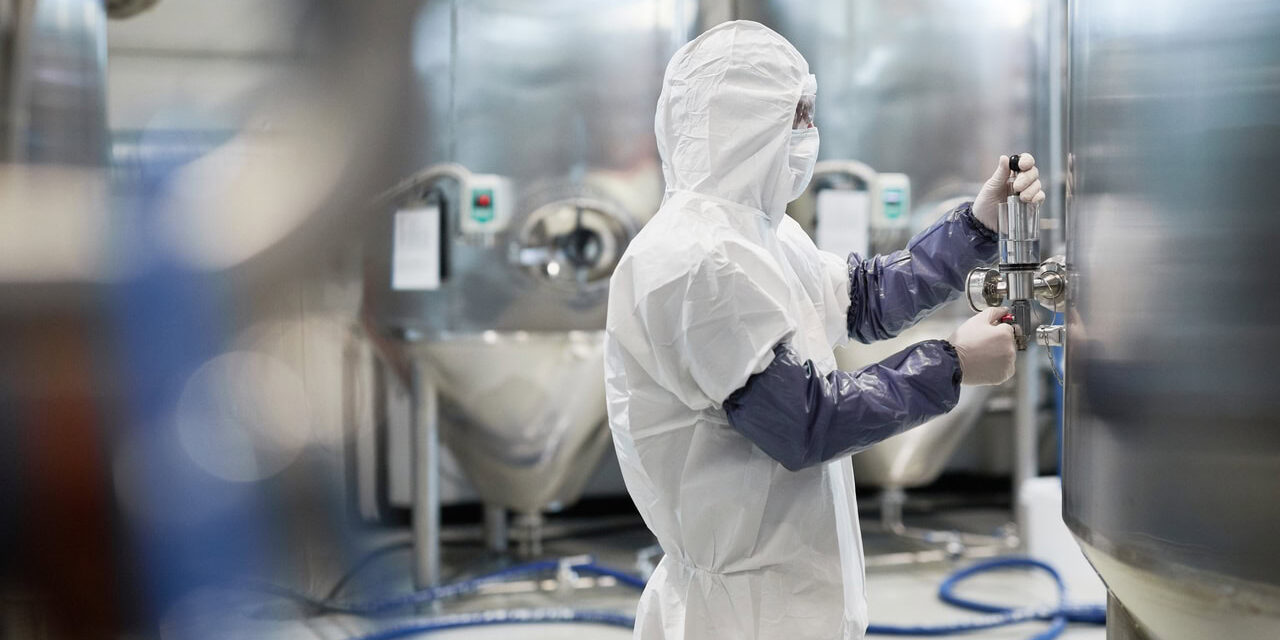
Proper Cleanroom Attire
Correct cleanroom attire is vital for contamination control, but it is only effective if donned and doffed properly. Specific gowning procedures within your overall cleanroom SOPs may differ between critical environments, but basic steps apply to all.
Proper donning and doffing prevents contamination of both manufactured products and the worker. Improper methods can result in costly errors. Cleanroom personnel should receive periodic training to maintain proper techniques and correct “old habits.”
The procedures below provide general guidance on top-to-bottom sequencing, based on IEST-RP-CC027.2 and ISO 14644 Annex B.


Personal Hygiene
Cleanroom workers should maintain strict personal hygiene:
- Regular showering or bathing
- Trimmed fingernails and clean cuticles
- Use only non-fragranced products (soap, anti-perspirant)
- Avoid lotions or sprays on hair or body
Staff should report any health issues to facility management to determine suitability for work in critical areas.
Cleanroom Undergarments
- Personal outer garments and belongings (e.g., briefcases, purses, electronics) should be secured in lockers before entering the cleanroom.
- Follow SOPs for undergarments, as they can impact particle contamination. Cleanroom-specific undergarments may be required.
- After washing, drying, and disinfecting hands, don a bouffant cap and/or beard cover.
- Don dedicated footwear, then wash, dry, and sanitize hands again before entering the anteroom or changing room.
Sterile Overgarments
- Walk across a tacky mat before entering the ISO Class 5 changing room.
- Prepare to don sterile apparel:
- Don the first cleanroom shoe cover, place the covered foot on the clean side, then repeat with the second.
- Don cleanroom gloves, following SOP-specific protocols.
- Wash newly gloved hands, allow to dry, then disinfect.
Donning Sterile Apparel
- Inspect sterile garments for packaging damage and check sterilization indicators. Discard if compromised.
- Disinfect packaging before opening, per manufacturer instructions.
- Disinfect bench surfaces and allow to dry. Don protective shoe covers. Follow top-to-bottom donning sequence:
Sequence:
- Face Mask – Avoid touching the outside; secure ties for a snug seal.
- Hood – Place over bouffant cap, ensuring full head coverage.
- Sterile Coverall – Open package carefully, insert feet and arms, tuck hood, zip, and secure neck stud.
- Boot Covers – Place over clean side of crossover bench.
- Goggles – Place with minimal touching of rims; secure snugly.
- Gloves – Wash, dry, disinfect first layer, then don second sterile glove layer by holding at cuffs and pulling over coverall.
Check Your Cleanroom Apparel System
- Inspect in a full-length mirror to ensure all zippers, studs, and ties are secure.
- Remove residual contamination from boots by taking three steps across a tacky mat before entering critical areas.
Top Takeaways for Cleanroom Apparel Donning
- Store personal items securely in lockers.
- Wash, dry, and disinfect hands frequently.
- Avoid touching the outside of cleanroom garments.
Doffing Cleanroom Apparel
Reverse the donning process carefully, especially if re-donning garments later:
- Sit on bench, swivel legs to entry area.
- Remove boots.
- Remove coverall by grasping cuffs:
- Disposable: place in waste receptacle.
- Reusable: hang in controlled environment, snap boots to back of legs.
- Remove goggles and hood, securing to coverall or hanger.
- Exit entry area, removing bouffant, shoe covers, and gloves for proper disposal.
Re-usable vs Disposable Cleanroom Apparel
Reusable Cleanroom Apparel
While disposable apparel is preferred for contamination control, reusable garments require careful handling:
- Contract a reputable garment processor aware of your environment and MSDS exposure.
- Prevent contamination, punctures, tears, and excessive wear.
- Store doffed garments in a controlled environment.
- Follow SOP donning and doffing procedures.
- Inspect and rotate inventory to prevent degradation.
- Separate garment types (boots, frocks, coveralls, hoods) in laundry containers.
Consult with Our Cleanroom Experts
Talk with our consultants about your protocols and cleanroom apparel donning questions. Request free samples and get the lowest pricing in the industry.
Note: Follow your facility’s procedures. This guidance is educational and should not replace official SOPs unless adopted.