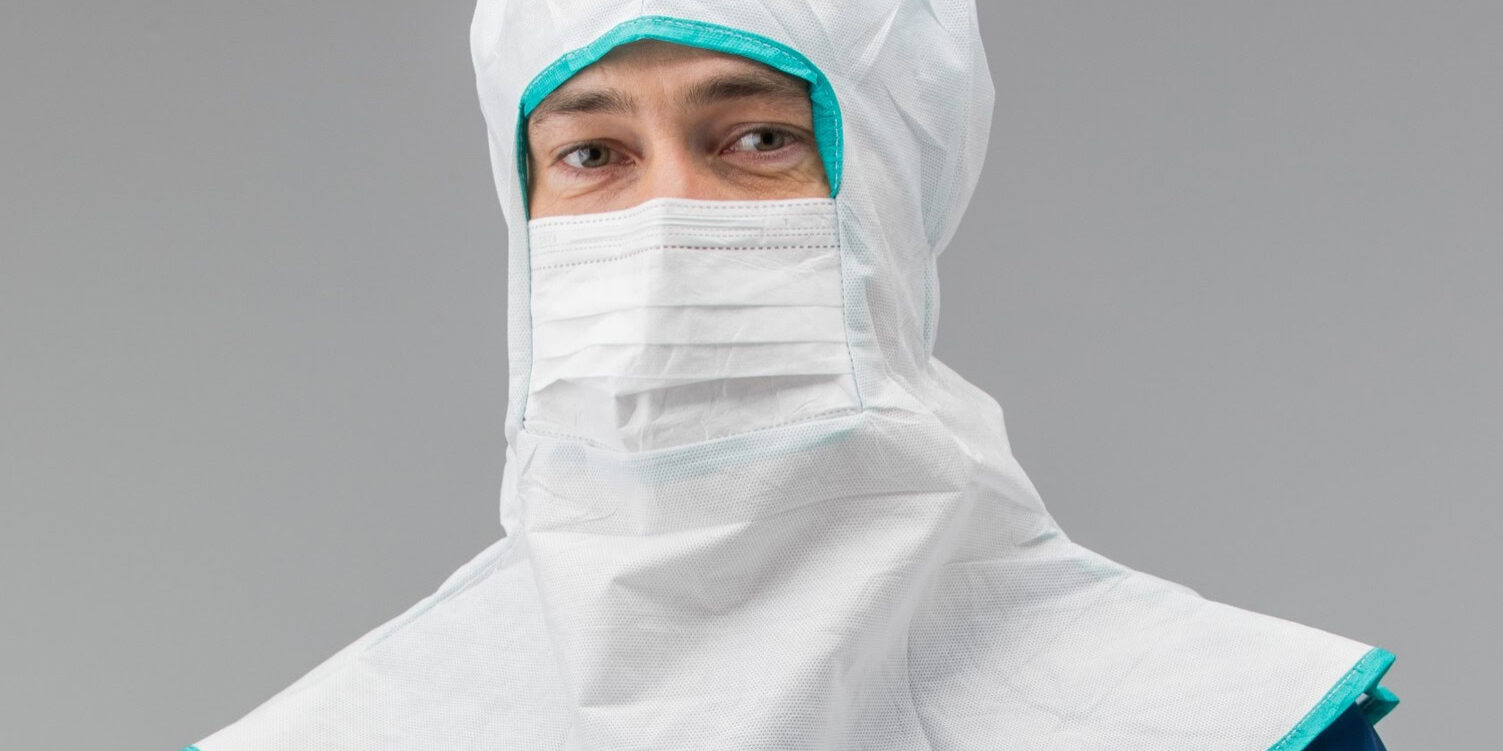
The disposable spec you approved two years ago is not the same product line today. Glove pricing moved for reasons unrelated to the glove itself, garment fabrics have been reformulated, and two of the largest names in cleanroom PPE now sit under a different parent company. None of that shows up on a purchase order until the invoice arrives or a part number stops resolving.
This covers what changed in disposable cleanroom products over the past year, and what’s worth re-checking before your next reorder. The focus is on changes that hit procurement and compliance now, not concept-stage technology.
Tariffs Reset the Math on Disposable Gloves
Section 301 duties on China-origin medical gloves reached 100% on January 1, 2026, doubled from the 50% rate that ran through 2025. Malaysia-origin gloves carry a 19% reciprocal tariff, reduced from an initial 25% after bilateral negotiation.
Shifting to Malaysia, Thailand, or Vietnam avoids the Section 301 exposure. It does not avoid the price increase. Demand moved to those origins faster than capacity did, and quotes have climbed 15 to 25% as a result.
Country of manufacture is now the largest single variable in a glove quote. Ask for it in writing. A spec sheet listing AQL, thickness, and cuff length tells you nothing about landed cost, and two gloves with identical technical specs can differ by a third depending on where they were made. If you’re comparing quotes on cleanroom nitrile gloves, make origin a required field on the line item.
Sustainability Claims Now Arrive with Documentation Behind Them
An eco-friendly claim on a cleanroom disposable used to mean a green logo and nothing verifiable. That has changed in a way procurement can use.
DuPont released a disposable coverall delivering the same chemical, biological, and antistatic protection as its predecessor while cutting the product’s carbon footprint by more than half. The change came out of an independent lifecycle assessment of Tyvek production that identified impact hotspots across raw materials, manufacturing, use, and disposal. Bio-circular materials were integrated into fabric manufacturing on the strength of that data.
Third-party labeling caught up as well. The Kimtech Polaris nitrile glove became the first laboratory glove and PPE product to earn an ACT Label from My Green Lab, the ecolabel program used for laboratory procurement decisions.
Understand what an ecolabel does and does not tell you. It reports environmental impact data in a consistent, comparable format. It says nothing about barrier performance, particle shedding, or whether a glove passes ASTM D6978 permeation testing for chemotherapy drugs. Treat it as a tiebreaker between two products that already meet your technical spec, never as a substitute for one.
Recycling Programs Expanded, With One Caveat That Matters Here
Take-back programs for single-use PPE have scaled considerably. The RightCycle program, which collects non-hazardous lab, cleanroom, and industrial PPE for recycling, now operates in 11 countries.
The caveat matters for anyone compounding hazardous drugs. These programs accept material free of hazardous contamination. PPE that came out of a USP 800 containment area does not qualify and will not. Chemo gowns, chemo-rated gloves, and anything doffed inside a containment primary engineering control go out as hazardous waste under your existing procedures.
That still leaves room to work with. Non-hazardous garbing in the anteroom, general ISO 7 and ISO 8 activity, and non-sterile compounding areas can feed a diversion program without touching your hazardous waste stream. Segregation has to happen at the doffing station, not the loading dock, and your SOPs should name which rooms feed which bin.
The Reusable Garment Argument Keeps Losing Ground
Disposable cleanroom garments have been standard in hazardous drug compounding for years because USP 800 garment requirements leave no alternative. USP 797 reinforces it from a different direction, prohibiting reuse of disposable garb outright and requiring laundered garb be re-sterilized through a validated cycle before it returns to service.
The newer pressure is coming from aseptic manufacturing. The revised Annex 1 has put the safety of reusable and washable garments under fresh scrutiny in Grade B environments, which is exactly where most pharmaceutical facilities had held onto laundered polyester.
For a compounding pharmacy the effect is indirect but real. As aseptic manufacturers move volume toward single-use, supplier production follows, and the disposable cleanroom coveralls catalog gets deeper while laundered options thin out. The disposable or reusable question is being settled by supply, not just by preference.
Material Changes in Disposable Cleanroom Products Worth a Second Look
Fabric tier is where a cheaper quote hides. Polypropylene nonwoven is inexpensive and appropriate for ISO 8 anterooms. Flash-spun polyethylene sits mid-range among disposables and delivers stronger particle-barrier performance. Polyester knit is the standard for ISO 5 and ISO 6 work, costs more to manufacture, and costs more to validate.
A quote that comes back well under your current price is a tier substitution more often than a better deal. Confirm fabric, sterilization method, and packaging format before anything moves into a classified space.
Two other shifts are worth tracking:
- Ergonomic and barrier certification now appears on lab gloves as a stated differentiator, with AQL levels tighter than the industry baseline. That’s a real spec, not marketing, and it belongs in your comparison.
- Low-lint, antistatic, and high-purity consumables are being pulled forward by semiconductor and advanced electronics demand. That raises the production floor across the board, including for products sold into pharmacy.
Patent activity points toward biodegradable wipes made from renewable sources and sensor-enabled wearables that monitor the surrounding environment. Neither belongs in an SOP yet. Both are worth watching if you’re planning a multi-year consumables strategy, and neither should change how you’re buying presaturated alcohol wipes today.
Supplier Consolidation Changed Who You Are Actually Buying From
Ansell acquired Kimberly-Clark’s PPE business, bringing the Kimtech and KleenGuard brands under Ansell.
Nothing about the product sitting on your shelf changed. Everything around it did: part numbers, contract terms, distributor agreements, and lead times. A validated product renumbered under a new parent still triggers a change control review at most facilities, even when the item is physically identical.
Ask your distributor which of your line items are affected. It’s a five-minute question that prevents a three-week scramble during an inspection.
How to Re-Spec Without Reopening Validation
Change one variable at a time. A garment swap and a disinfectant swap in the same month makes an environmental monitoring excursion nearly impossible to trace back to a cause.
Get lot traceability documentation in writing before the first case ships rather than after a deviation. Confirm sterilization method and packaging separately from fabric, since gamma-irradiated and individually packaged versions of the same garment carry different part numbers and different costs.
Budget gloves, garments, wipes, and disinfectants as one consumables program rather than four separate line items. Facilities that split them optimize one category and absorb the increase somewhere else without noticing.
Frequently Asked Questions
For hazardous drug handling under USP 800, yes. Disposable garb is required and reuse is not permitted. USP 797 applies the same restriction to disposable garb in sterile compounding and requires laundered garb be re-sterilized through a validated cycle before reuse. Your facility’s SOPs should define the specific garment types and change frequencies for each classified area.
Section 301 duties on China-origin medical gloves went to 100% in January 2026, up from 50% in 2025. Gloves from Malaysia, Thailand, and Vietnam avoid that duty but have risen 15 to 25% as demand shifted toward those origins. Ask your supplier for country of origin on every glove line item, because that single factor drives most of the spread between competing quotes.
Non-hazardous PPE can go into a take-back program such as RightCycle, now running in 11 countries. Anything contaminated with hazardous drugs is excluded and follows your hazardous waste procedures instead. Segregate at the doffing station so contaminated and non-contaminated material never share a bin.
An ecolabel reports environmental impact data. It does not certify barrier performance, particle count, or chemical permeation resistance. Check the technical spec first and use the label to break a tie between two products that already qualify. Our cleanroom nitrile glove listings show AQL, thickness, and cleanroom class on each product page so you can compare the technical data side by side.
Get Current Pricing on Your Disposable Program
If you have not re-quoted disposables since the January tariff change, your pricing is out of date in both directions. Some line items went up. Others held, depending entirely on where they are manufactured.
Cleanroom Connection stocks disposable cleanroom products across gloves, garments, wipes, and disinfectants, including USP 797 and USP 800 compliant options for sterile and hazardous drug compounding. Submit your product list for a quote at cleanroomsupplies.com and receive pricing within 30 minutes.