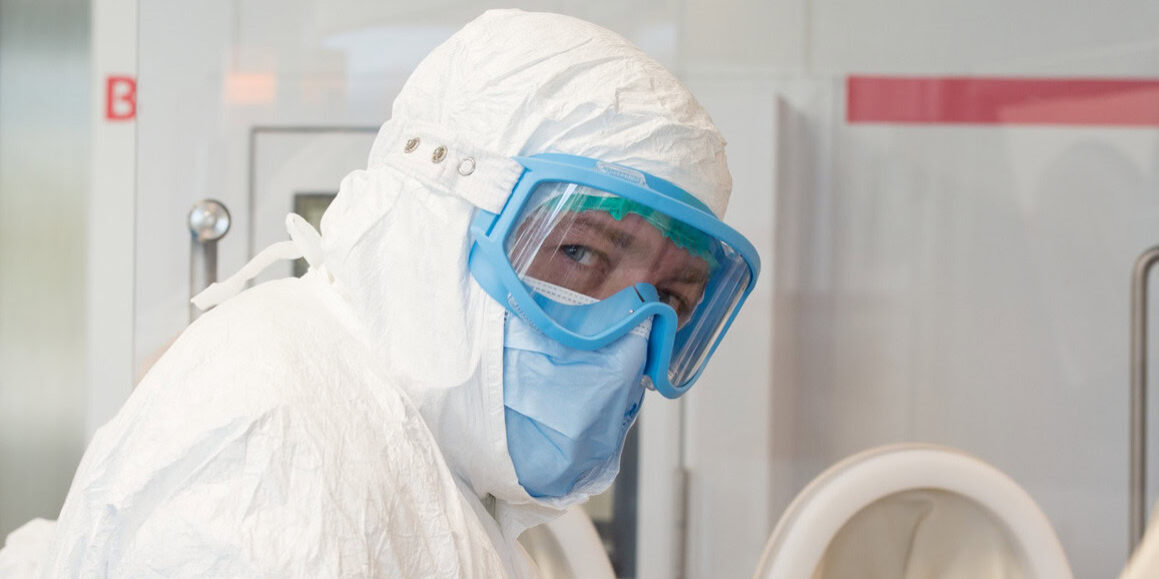
In cleanrooms, even the tiniest particle can affect product quality, worker safety, and regulatory compliance. For professionals in pharmaceuticals, biotech, semiconductor, or medical device facilities, preventing contamination starts with one of the simplest yet most essential tools: cleanroom apparel. Understanding how the right garments protect your facility, staff, and products is key to keeping your environment under control.
Cleanroom apparel acts as your first line of defense. When used correctly, the right garments reduce contamination risks, make operations run smoother, and help maintain the high standards your facility depends on.
The Importance of Choosing the Right Cleanroom Apparel
People are the main source of contamination in controlled environments. We constantly shed skin cells, hair, lint, and microbes, and even small contact with surfaces or airflow can introduce contaminants. Proper cleanroom apparel traps these particles and keeps them away from sensitive areas.
How Cleanroom Apparel Protects:
- Protecting Products: Pharmaceuticals, sterile devices, and semiconductors are highly sensitive. Cleanroom garments prevent human-borne particles from reaching critical surfaces.
- Ensuring Compliance: Regulatory agencies like the FDA, and standards like ISO 14644, require strict contamination control. Wearing the right garments helps you meet these requirements.
- Safeguarding Personnel: Some garments protect staff from accidental exposure to chemicals or biological materials, keeping your team safer.
What are Contamination Risks in Cleanrooms?
Contamination isn’t always visible. Particles as small as 0.5 microns can compromise cleanroom processes. Common sources include:
- Skin flakes and hair
- Respiratory droplets
- Fibers and lint from clothing
- Dust or dirt carried on shoes
Knowing the source of contamination makes it easier to choose the right apparel and gowning procedures.
Learn more: Microbial Contamination Control in a Cleanroom Environment
What to Look for in Cleanroom Apparel
Choosing appropriate cleanroom apparel isn’t one-size-fits-all. Consider these factors when creating your system:
1. Cleanroom Class Requirements
According to ISO 14644‑5, cleanroom garments should support contamination control for the room’s classification (ISO, 2004). Industry best practice typically matches garments to cleanroom class. For example:
- ISO Class 5–6 rooms often call for full coveralls with integrated hoods and booties
- ISO Class 7–8 rooms may use gowns, smocks, and caps instead of full-cover apparel

2. Material Properties
Look for non-linting, low-shedding fabrics. Breathable materials help keep workers comfortable during long shifts without risking contamination. Some garments have antimicrobial coatings to add a layer of protection.
Learn more: Cleanroom Suit and Garments Explained
3. Coverage and Design
Full-body suits prevent skin shedding, while separate gowns or lab coats may work in lower-risk zones. Designs that allow freedom of movement while maintaining coverage improve compliance and reduce contamination risk.
Learn more: How to Select the Right Cleanroom Apparel for Optimal Contamination Control
4. Ease of Donning and Doffing
Garments designed for quick, proper gowning reduce contamination. Look for elastic cuffs, secure closures, and seamless integration between components like hoods and overalls.
Learn more: Are You Prepared – Check Before Exiting and Entering a Cleanroom
What Goes Into a Cleanroom Apparel System?
Each cleanroom has its own needs, depending on its industry and classification. However, a complete apparel system usually includes:
- Coveralls: Full-body suits and gowns block particle shedding from arms, legs, and torso. Look for durable fabrics resistant to tears.
- Hoods and Bouffant Caps: Hair is a major source of particles. Bouffant caps and hoods are essential.
- Face Masks and Goggles: Respiratory particles can spread quickly. Masks and goggles protect the environment and personnel.
- Gloves: Single or double-layer gloves prevent microbes from transferring to sensitive products.
- Shoe Covers and Booties: High-quality booties prevent common contaminants like dirt and dust from spreading.
Each item works with the others to form a complete barrier. Leaving out even one piece can compromise the entire system.
Critical Protocols that Prevent Contamination
Even the best garments fail if used incorrectly. Creating and following strict protocols is the key to keeping contamination at bay in your cleanroom:
- Gowning Areas: Controlled zones for putting on garments prevent contaminants from entering the cleanroom. Sticky mats or air showers may be included.
- Layering and Sequencing: Don apparel in top-down order (caps → shoe covers → hood → goggles → mask → coverall → gloves) to minimize gaps.
- Routine Inspections: Check for tears, holes, or contamination before entering controlled areas.
- Training and Compliance: Staff should understand why each garment is necessary and follow procedures consistently. Refresher training helps maintain compliance.
Why It’s Important to Use Fresh Disposable Apparel
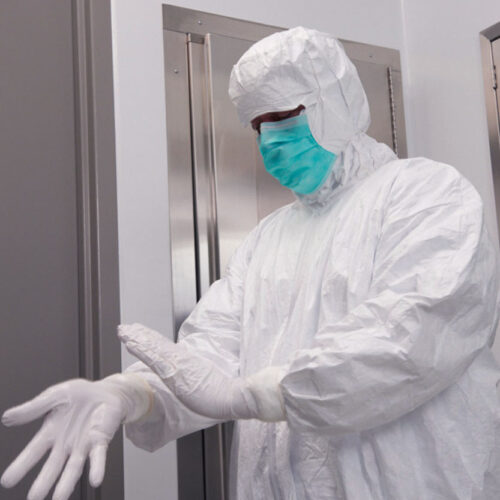
Disposable cleanroom garments are designed for single use, which helps keep contamination risks low. Even though they don’t require laundering, it’s still important to manage inventory and usage carefully:
- Single-Use Design: Each garment is intended for one shift or task, so it doesn’t accumulate particles or microbes over time.
- Consistent Protection: Using a fresh garment every time ensures the barrier against contamination stays reliable.
- Inventory Management: Keep a ready stock of high-quality disposables to avoid shortages and maintain continuous protection.
- Compliance and Safety: Regularly replenishing disposable apparel supports contamination control protocols and regulatory expectations.
With disposable garments, the focus shifts from maintenance and cleaning to proper usage, timely replacement, and keeping enough stock on hand—all critical for maintaining a clean, controlled environment.
Real World Examples of Contamination Prevention
- Pharmaceutical Production: Operators wearing full-body coveralls, gloves, and face protection prevent product contamination during aseptic drug preparation.
- Semiconductor Manufacturing: Cleanroom suits minimize dust particles that can ruin microchips during assembly.
- Medical Device Assembly: Comprehensive apparel systems minimize the risk of microbial contamination on sterile devices, improving patient safety.
Taking a Proactive Approach to Contamination
Contamination control is ongoing. Evaluate your garment system regularly, monitor particle levels, and update apparel as processes evolve. Proper garments and protocols help avoid product recalls, downtime, and regulatory issues.
Investing in the right cleanroom apparel not only keeps you compliant but also fosters a culture of contamination awareness. Equipped with the proper garments, your team actively protects sensitive products and maintains a controlled environment.
Equip Your Cleanroom Team with the Right Apparel
Cleanroom apparel is your first line of defense against contamination. From coveralls and gloves to hoods, masks, and booties, every piece plays a role in maintaining controlled conditions.
Discover our full range of cleanroom garments at Cleanroom Connection to find solutions tailored to your facility.
Need help creating a cleanroom setup? Reach out to our team for a custom solution that keeps you compliant and your personnel protected. Protect your products, your personnel, and your operations before contamination ever starts.
Explore our blog to get detailed guidance on selecting the right apparel and keeping your cleanroom contamination-free.