
Maintaining a contamination-free cleanroom depends on many factors, and one of the most essential is proper use of sterile face masks. Sterile masks act as a barrier between personnel and sensitive products, protecting critical environments in industries like pharmaceuticals, biotech, and electronics manufacturing. Even a small misstep—touching the front of a mask, wearing it improperly, or disposing of it incorrectly—can compromise sterile processes, risk noncompliance, and impact product quality.
This guide walks you through best practices for using sterile face masks in cleanrooms. You’ll learn how to prepare, don, wear, and dispose of masks correctly to maintain contamination control. Choosing a high-quality maskensures compliance with ISO and FDA standards and offers comfort for long shifts in cleanroom environments.
The Role of Sterile Face Masks in Cleanrooms
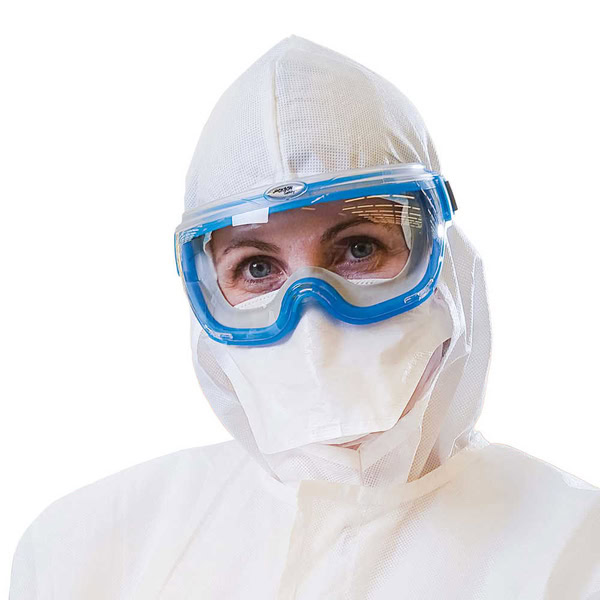
Sterile face masks differ from everyday masks in their design, materials, and sterilization process. Unlike regular disposable masks, cleanroom masks are pre-sterilized, individually packaged, and made to prevent particle shedding, microbial contamination, and liquid penetration. They’re classified according to cleanroom standards, typically suitable for ISO Class 5–8 environments, and must meet appropriate regulatory guidelines.
Several types of sterile masks exist, including surgical-style masks with tie or ear loops, duckbill designs, and respirator-style masks for stricter protection. Choosing the right mask depends on your cleanroom classification, duration of wear, and the required level of contamination control. Masks like the KimTech M3 62483 sterile pouch mask are designed for comfort during long wear and offer a reliable seal, helping cleanroom facilities meet ISO and FDA standards.
Preparing to Don a Sterile Face Mask
A cleanroom mask’s continued sterility depends on proper preparation before use. It’s important to follow the appropriate steps even before putting a mask on:
- Hand Hygiene: Wash hands thoroughly with cleanroom-approved soap or use an approved sanitizer. Gloves are not a substitute for clean hands at this stage.
- Complete Gowning: Ensure you’ve fully donned your cleanroom apparel, including gloves, coveralls, and hair coverings. Only touch the mask after gowning is complete.
- Open Packaging Carefully: Sterile masks come in individually sealed pouches. Open the packaging slowly, avoiding contact with the mask surface. Do not set the mask on any surface that isn’t sterile.
Masks like KimTech M3 62470 come in individually sterilized pouches, preserving their integrity until you’re ready to use them. Taking time with these steps minimizes contamination risk from the start.
Proper Donning Technique

Correctly wearing a mask ensures the seal stays intact and contaminants are kept out. Here’s a step-by-step approach:
- Position the Mask: Place it over your nose, mouth, and chin. Make sure it fully covers these areas without leaving gaps on the sides.
- Secure Straps: Use the ear loops or ties without touching the mask’s exterior. Straps should fit snugly but not be uncomfortable.
- Adjust Nose Bridge: Press the metal or flexible nose bridge to conform to your nose’s shape, creating a close seal.
- Check the Fit: Ensure no gaps exist between the mask and your face. Avoid frequent adjustments, which can introduce contaminants.
Many cleanroom managers prefer KimTech’s sterile masks for their flexible nose bridges and ergonomic fit, which makes it easier to keep a secure seal throughout shifts.
While Wearing a Sterile Face Mask
Maintaining mask integrity during use is just as important as putting it on correctly. Avoid repeatedly touching or adjusting the mask. If it becomes wet, torn, or visibly contaminated, replace it immediately to maintain cleanroom standards. Some masks, like the Veltek PF4 extra-soft 3 layer sterile face mask, offer moisture-resistant materials and long-wear comfort, making them suitable for extended shifts without compromising protection.
Safe Removal and Disposal
Proper removal and disposal are critical to avoid contaminating yourself or your workspace:
- Remove by Straps: Carefully remove the mask by pulling the straps from behind your head or ears, avoiding contact with the mask’s front.
- Dispose Appropriately: Place the mask in a designated cleanroom waste receptacle. Never leave it on surfaces or in non-approved bins.
- Follow Compliance Guidelines: Adhere to ISO 14644 and FDA recommendations for cleanroom waste handling to ensure compliance with regulations.
Proper disposal processes should be straightforward to help maintain a contamination-free environment. Visual reminders, like step-by-step disposal images, reinforce best practices for both existing staff and new employees.
Common Mistakes and How to Avoid Them
Even experienced staff can make errors that compromise sterile conditions. The most frequent mistakes include:
- Touching the front of the mask during wear
- Wearing the mask below the nose or loosely on the face
- Reusing disposable masks or wearing them beyond the recommended time
Using certified masks reduces the chance that cleanroom workers will make these mistakes. Staff training, clear protocols, and regular monitoring can also reinforce best practices and protect your cleanroom from contamination risks.
Keep Contamination Out with Expert Mask Guidance
Sterile face masks are an essential line of defense in cleanroom contamination control. Correct preparation, donning, wearing, and disposal protect both products and personnel while helping your facility meet ISO and FDA standards. Reviewing protocols, training staff, and choosing appropriate sterile masks are simple but critical steps for keeping a safe, compliant cleanroom.
Browse our blog for more insights on cleanroom best practices, or contact the Cleanroom Connection team for help selecting sterile face masks and other cleanroom apparel. Our expert support can help keep your cleanroom operating at peak performance.