

Importance Of Cleanroom Gowning People who work in cleanrooms play a crucial role in preventing contamination within these controlled environments. Human shedding, including skin cells, hair, and respiratory droplets, can introduce particles into the cleanroom. Special considerations like cleanroom gowning are essential to contain shedding particles from both humans and clothing, ensuring a clean […]
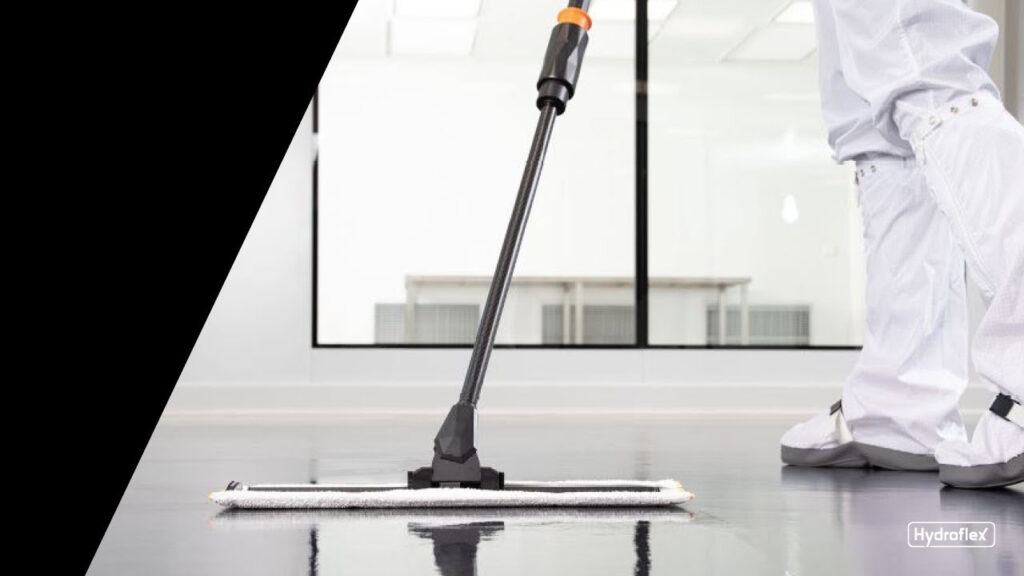
How to Maintain a Sterile Environment with Cleanroom Cleaning Supplies
Maintaining a sterile environment in a cleanroom is critical to ensuring your operations’ safety, efficiency, and compliance. Unlike regular cleaning settings, cleanroom environments have strict contamination control requirements to prevent even the smallest particles from disrupting sensitive processes. This is where the right cleaning products and supplies play an essential role. Cleanroom Connection has been […]
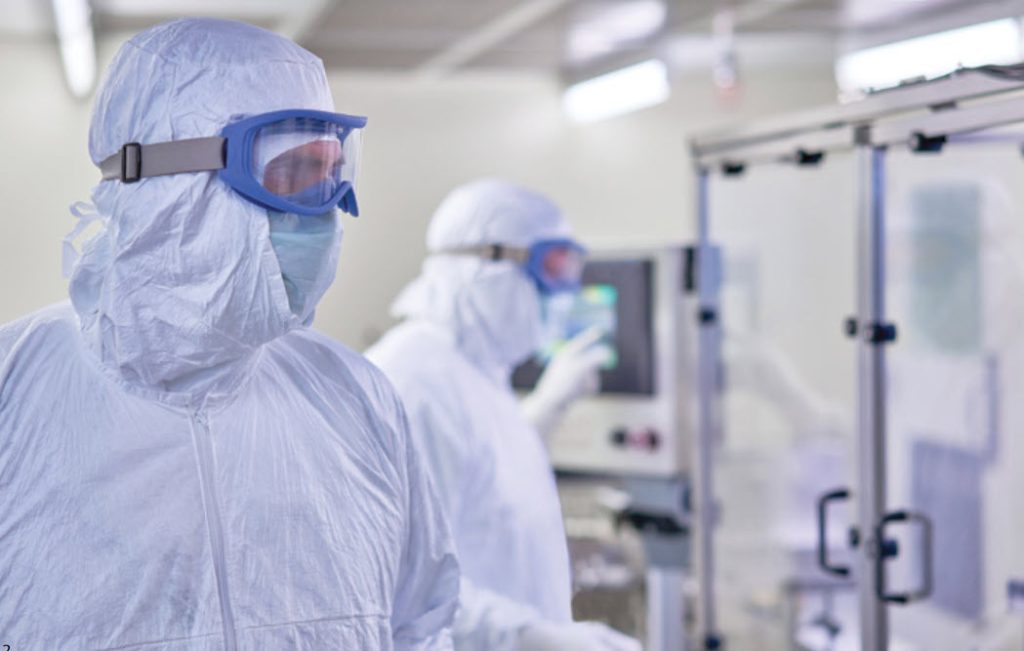
Cleanroom Suit Maintenance and Sterilization Techniques
Cleanroom suit maintenance is crucial across all industries. The long-term and sustainable management of cleanroom garments ensures the safety and integrity of your cleanroom apparel. It is critical to maintain compliance and high-quality standards in the cleanroom environment. Here, we explore the best practices for maintaining and keeping cleanroom apparel steralized to improve the efficiency […]
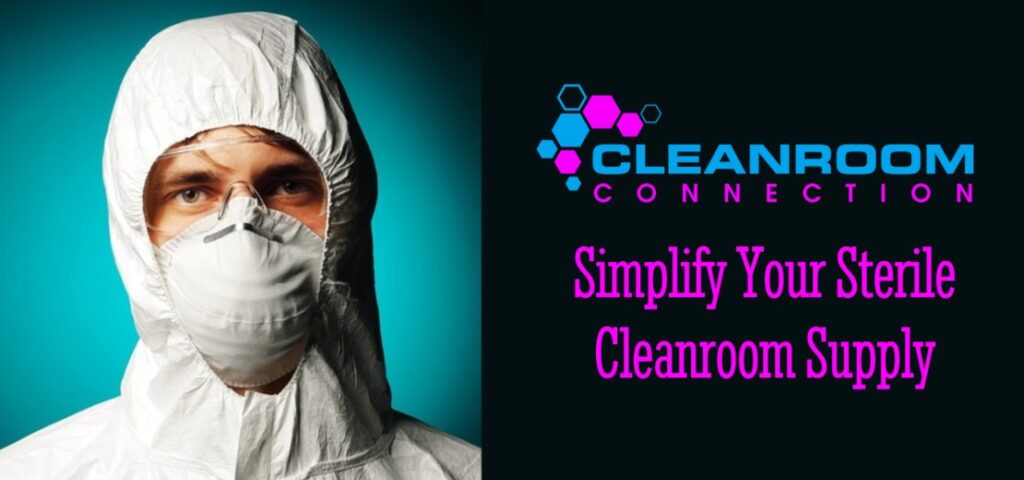
DuPont Tyvek vs. Traditional Protective Clothing in Medical Settings
In environments where cleanliness and safety are paramount, such as cleanrooms and medical settings, the choice of protective clothing can significantly impact both worker safety and operational efficiency. Personal Protective Equipment (PPE), including specialized coveralls, hoods, and boot covers, plays a crucial role in minimizing contamination risks and ensuring compliance with stringent regulatory standards. Here […]

Exploring Cleanroom Apparel and Protective Gear
Maintaining strict standards of cleanliness and safety is crucial in cleanroom environments. Here, we discuss the importance of cleanroom apparel and protective gear, explore the available types, provide guidance on choosing the right gear, and explain the proper usage and maintenance procedures. Let’s ensure your cleanroom environment remains contaminant-free and compliant with industry standards. […]
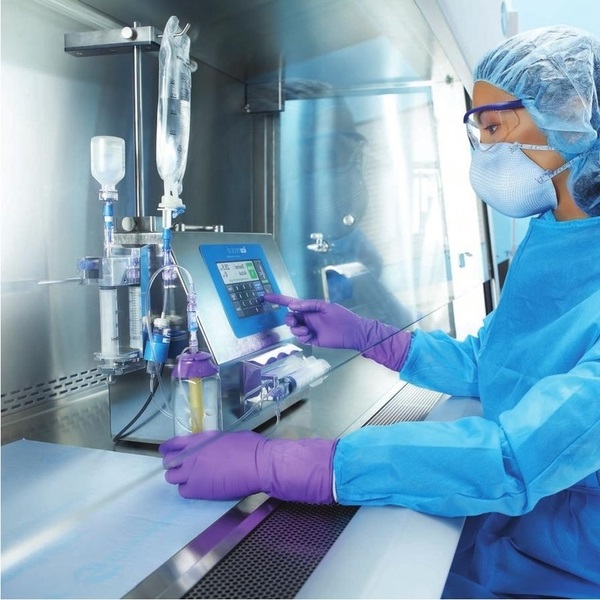
The Importance of USP 800 Safety in Compounding Pharmacies
USP 800, issued by the United States Pharmacopeia (USP), sets forth guidelines for handling hazardous drugs in healthcare settings. Its primary aim is to ensure the safe compounding, handling, and administration of chemotherapy and other hazardous drugs…
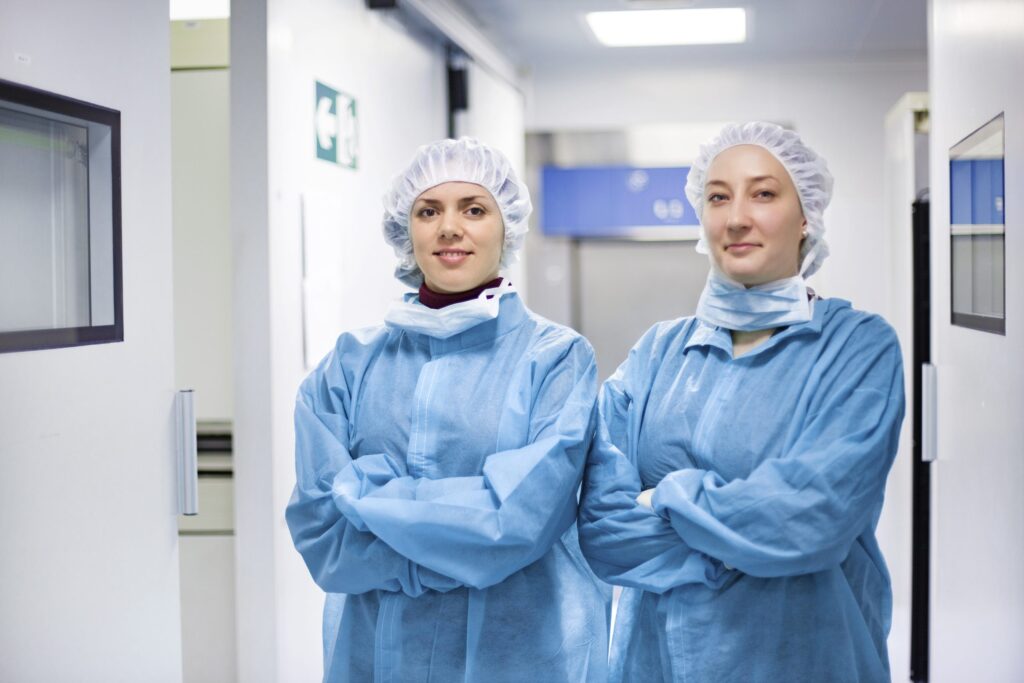
Are You Prepared? Check Before Exiting and Entering a Cleanroom
Cleanrooms are critical environments in various industries, especially in pharmaceutical and medical settings, where even the slightest contamination can have serious consequences. Whether entering or exiting a cleanroom, proper preparation is essential to maintain the integrity of the environment and ensure the safety and efficacy of the products produced. Here, we’ll discuss the necessary steps […]
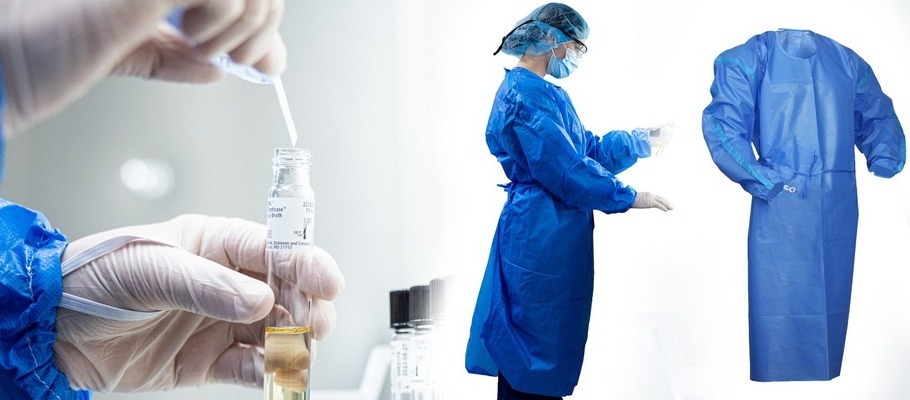
USP 800 Cleanroom Requirements for Garments
The healthcare and pharmacy industry faces numerous challenges in ensuring the safety of their workers, especially those involved in handling hazardous drugs, such as chemotherapy agents. Exposure to these drugs poses significant health risks, including skin contact contamination. To mitigate these risks, the United States Pharmacopeia (USP) Chapter 800 sets stringent guidelines for maximizing safety […]
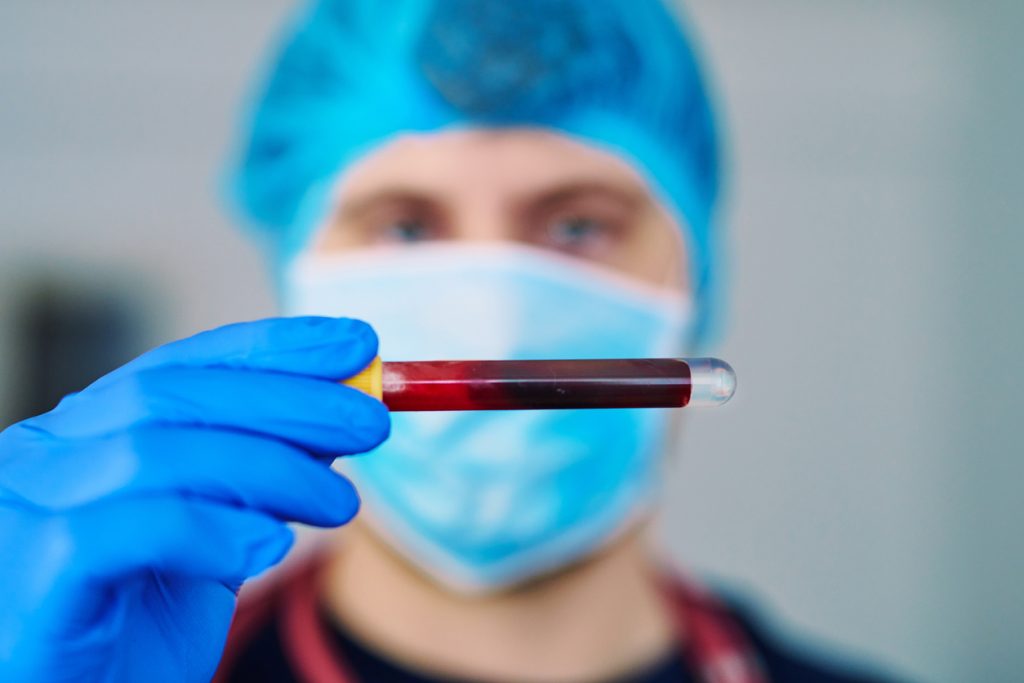
Bloodborne Pathogen PPE for Cleanroom and Healthcare Environments
Standard cleanroom apparel controls particle contamination. It does not protect against bloodborne pathogens. For compounding pharmacies, hospital oncology units, biotech labs, and any facility where staff may contact blood or infectious body fluids, those are two different requirements, and using the wrong product for the wrong task creates both compliance gaps and real exposure risk. […]
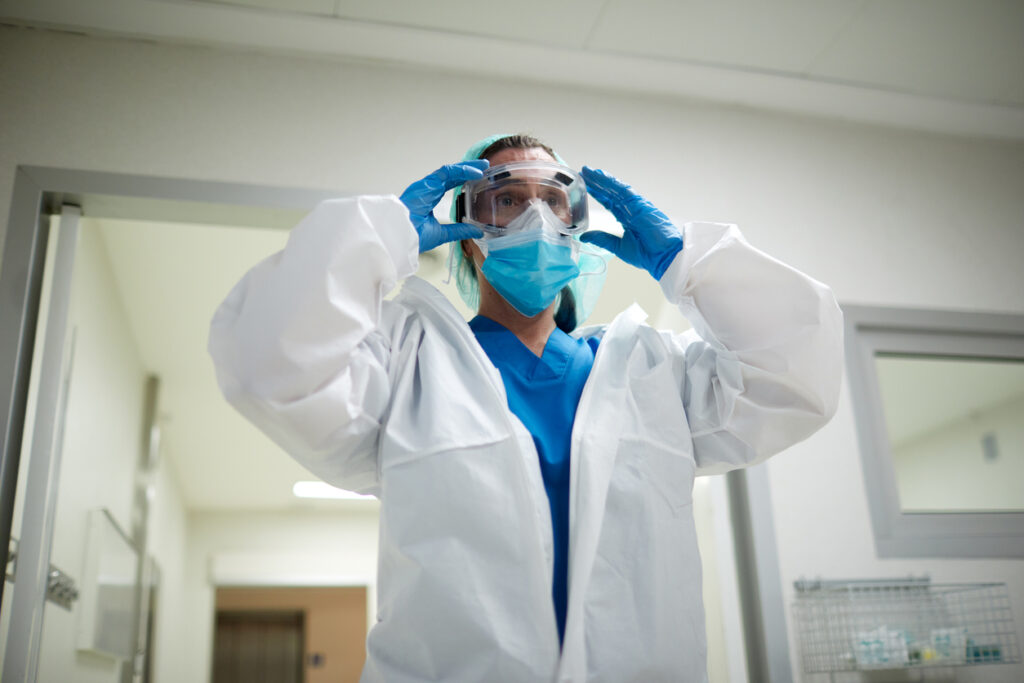
The Basics of Cleanroom Safety to Ensure a Sterile Environment
Cleanroom environments are essential in various industries, including healthcare, pharmaceuticals, and biotechnology. These highly controlled spaces are designed to maintain exceptionally low levels of contaminants such as dust, particles, and microorganisms. To achieve this, all staff members, cleaning teams, and anyone entering the cleanroom environment must follow stringent safety measures and protocols. This comprehensive guide […]

Enhancing Safety Standards in Hospitals: The Role of DuPont Tyvek Coveralls
When safety and compliance are paramount, healthcare facilities face the challenge of maintaining high safety standards while ensuring productivity and cost-effectiveness. The importance of personal protective equipment (PPE) in achieving these goals cannot be overstated, and among the various forms of PPE, coveralls play a pivotal role. Here, we explore how DuPont Tyvek suits enhance […]
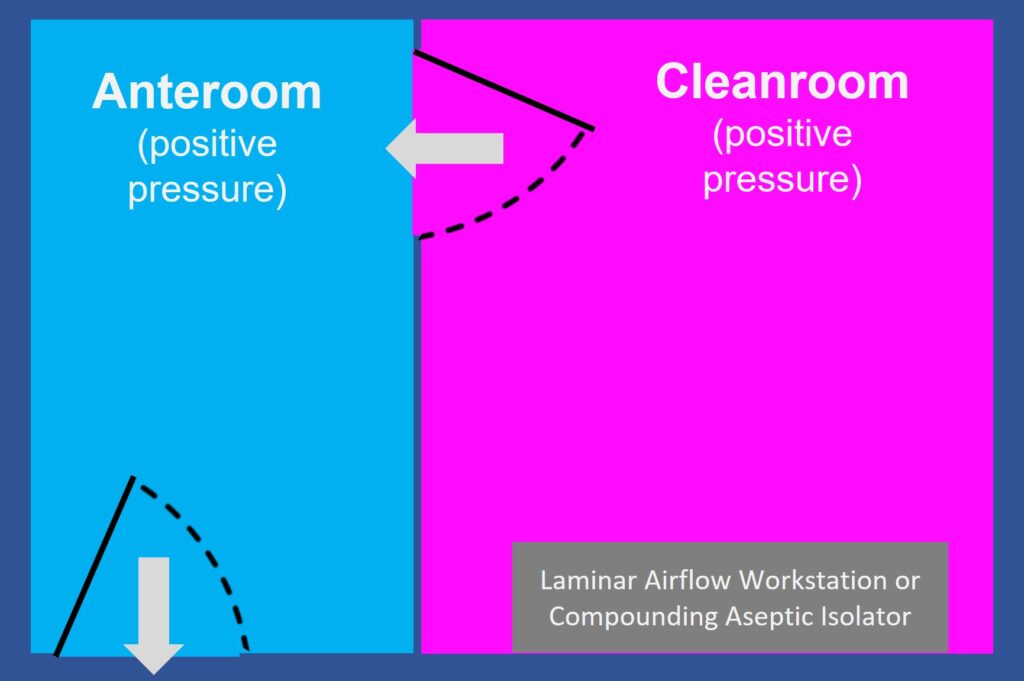
Maximizing Effectiveness of Airlocks or Anterooms
As with cleanroom contamination, the source of failure in airlocks or anterooms is human behavior. Bioburden is the number of bacteria living on a non-sterilized surface and is the primary source of cleanroom contamination. There are many methods and processes involved in controlling microbes in a cleanroom, including the use of an anteroom, airlock, or […]