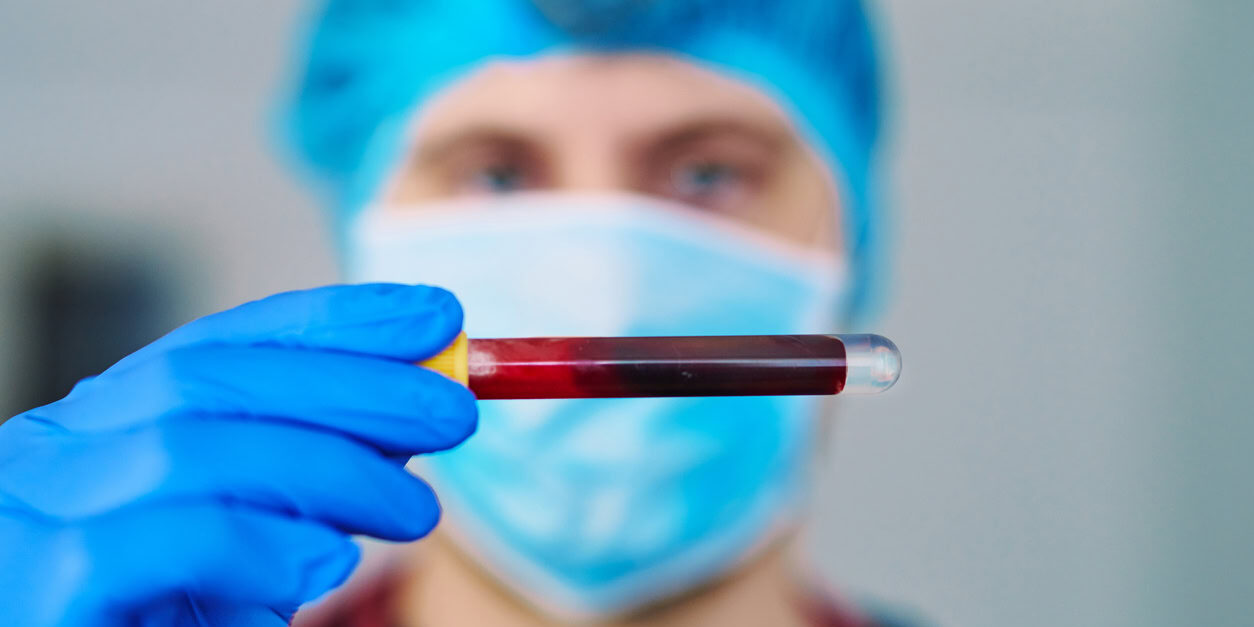
Standard cleanroom apparel controls particle contamination. It does not protect against bloodborne pathogens. For compounding pharmacies, hospital oncology units, biotech labs, and any facility where staff may contact blood or infectious body fluids, those are two different requirements, and using the wrong product for the wrong task creates both compliance gaps and real exposure risk. OSHA’s Bloodborne Pathogens Standard, 29 CFR 1910.1030, sets the baseline. Here is what that means for your PPE selection.
Note: This post does not replace your facility’s exposure control plan or applicable regulatory requirements. Your SOPs define task-specific PPE requirements.
What ‘Bloodborne Pathogen Qualified’ Actually Means
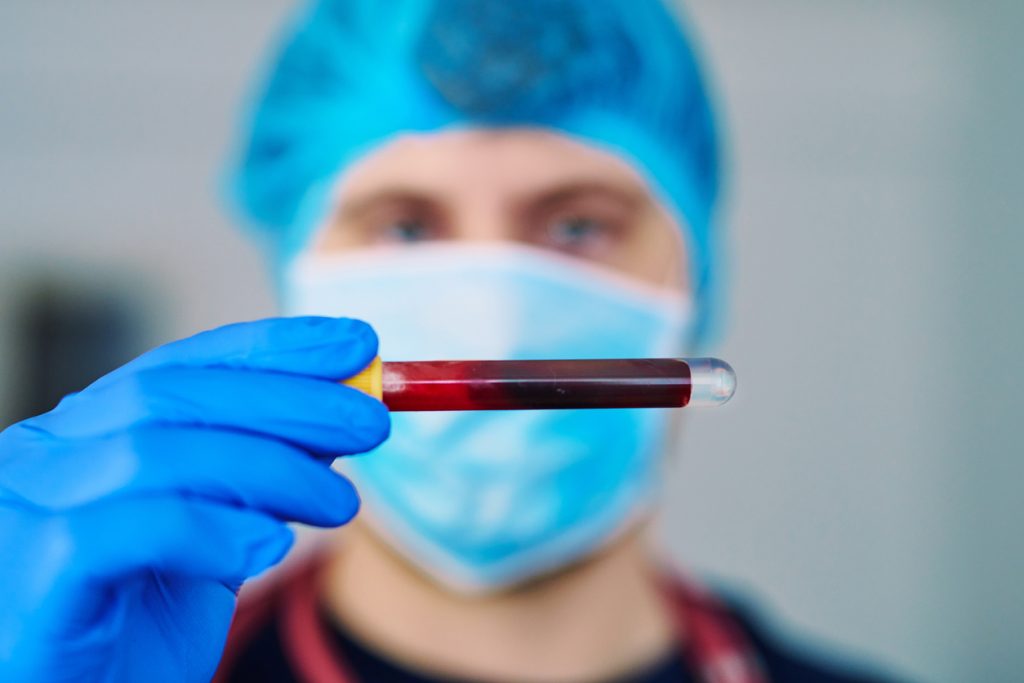
Not every protective coverall or glove carries bloodborne pathogen qualification. The specific standards that matter are ASTM F1670 and ASTM F1671. ASTM F1670 tests resistance to penetration by synthetic blood under pressure. ASTM F1671 goes further, testing resistance to penetration by a surrogate bloodborne pathogen, specifically Phi-X174 bacteriophage, which is used as a model for viral transmission.
A coverall or suit that passes both tests provides a verified barrier against blood and viral penetration. Standard ISO-rated cleanroom coveralls, which are designed to control particle shedding, are not tested or certified to either standard. The two product categories are engineered for different hazards.
When selecting PPE for bloodborne pathogen exposure, ASTM F1670 and F1671 certification should be non-negotiable, not an assumption. Verify it on the product data sheet before ordering.
PPE Required Under OSHA’s Bloodborne Pathogens Standard
OSHA 29 CFR 1910.1030 requires employers to provide PPE that prevents blood and other potentially infectious materials (OPIM) from reaching the skin, eyes, mouth, and mucous membranes. The specific PPE required varies by task and risk level. Your facility’s exposure control plan should define the requirements for each role.
The core PPE categories that apply in most cleanroom-adjacent and healthcare environments include:
- Coveralls or full-body suits: Required when there is a risk of splash, spray, or spatter. Must be fluid-resistant at minimum; ASTM F1670/F1671-rated suits required for confirmed or high-probability bloodborne pathogen exposure.
- Gloves: Required for any task involving contact with blood or OPIM. Nitrile is the standard material. Double-gloving is appropriate for high-risk tasks or when working with confirmed infectious materials.
- Face and eye protection: Required when splashing or spraying is possible. Face shields protect the eyes, nose, and mouth simultaneously. N95 respirators are required when aerosol-generating procedures are involved.
- Shoe and boot covers: Required when floor contamination is possible, including spill response scenarios.
Facilities operating under USP 800 for hazardous drug handling face a second layer of requirements in addition to bloodborne pathogen compliance. Chemotherapy-rated gowns and chemo-rated gloves meeting specific permeation standards are required under USP 800 and are separate from ASTM-rated bloodborne pathogen PPE. In environments where both hazards are present, both specifications must be met.
ViroGuard vs. Standard Cleanroom Coveralls: Choosing the Right Suit
The most common misapplication in facilities that handle both cleanroom work and patient-adjacent tasks is the use of a standard ISO-rated cleanroom suit for bloodborne pathogen response. The two products are not interchangeable.
ViroGuard 1: Bloodborne Pathogen and Virus Protection
ViroGuard 1 coveralls are certified to ASTM F1670 and F1671, making them appropriate for scenarios involving confirmed or suspected exposure to blood and bloodborne pathogens. Common use cases include patient care involving bleeding, spill response to blood or infectious fluids, and emergency preparedness. ViroGuard 1 suits are disposable and available in sizes medium through 4XL.
ViroGuard 2: High-Consequence Infectious Disease Environments
ViroGuard 2 coveralls are designed for the highest-risk scenarios, including care for patients with confirmed Ebola or other high-consequence infectious diseases where active bleeding, vomiting, or diarrhea is present. The fabric and seams pass both ASTM F1670 and F1671. Six design features were added specifically to aid donning and doffing, since removal is where most exposure occurs. This suit is not cleanroom-rated but is the correct choice when infectious disease severity is the primary concern.
Standard Cleanroom Coveralls: Contamination Control, Not Pathogen Barriers
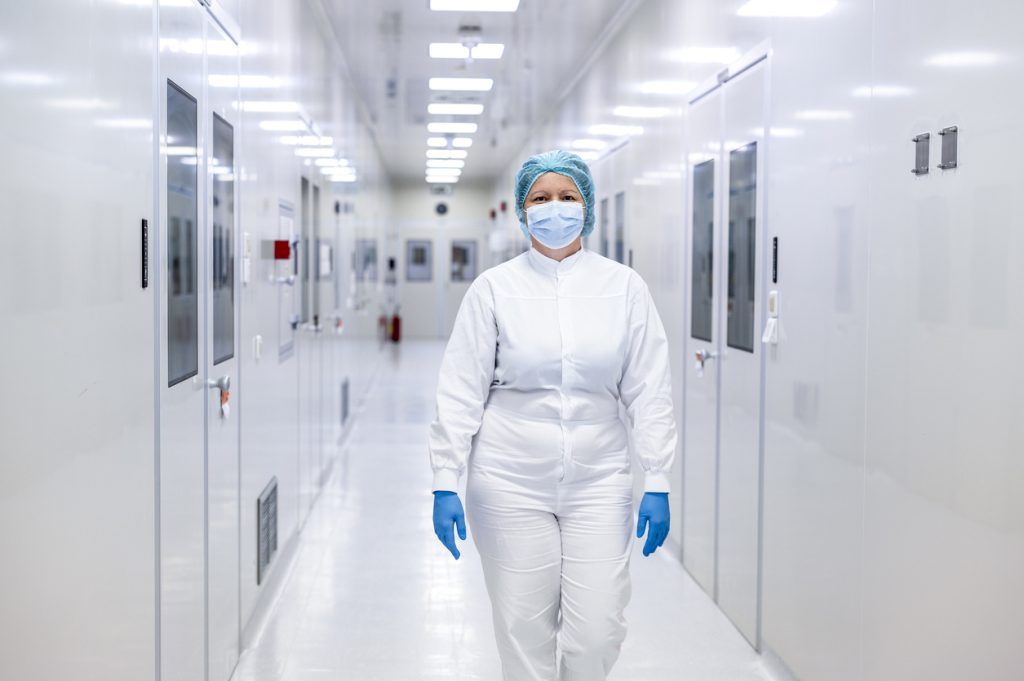
Cleanroom coveralls, such as sterile ISO-rated suits, are engineered to prevent particle shedding into the environment and protect product or process integrity. They are appropriate for compounding buffer rooms, ISO Class 5-8 environments, and sterile manufacturing. They are not designed or tested for bloodborne pathogen protection.
If your staff crosses between a controlled cleanroom environment and patient-adjacent or spill-response work, both product types belong in your PPE inventory, each assigned to the correct task.
Donning and Doffing: Where Exposure Actually Happens
Most occupational bloodborne pathogen exposures occur during PPE removal, not during the task itself. The contaminated exterior of a suit or glove comes into contact with skin during doffing if the sequence is incorrect or the technique breaks down.
The correct removal sequence for full-body PPE in a bloodborne pathogen scenario:
- Remove outer gloves first, rolling them inward to contain contamination.
- Remove the coverall by rolling it away from the body, inside out.
- Remove the face shield or goggles by the back strap, not the front.
- Remove inner gloves last.
- Wash your hands immediately after every removal step.
All PPE used in bloodborne pathogen scenarios is disposed of as biohazard waste. Nothing is reused. Facility SOPs should define the disposal container type and location, and staff should be trained on the doffing sequence before they first need it, not during an incident.
Surface Decontamination After Bloodborne Pathogen Exposure
PPE protects your staff during the exposure event. Surface decontamination eliminates the risk of ongoing transmission after the fact. OSHA requires that contaminated surfaces be cleaned and disinfected with an EPA-registered disinfectant appropriate for deactivating bloodborne pathogens.
CiDecon 2 is a high-pH phenolic detergent disinfectant that conforms to OSHA’s Bloodborne Pathogens Standard. It is effective against a broad range of pathogenic organisms, including HIV-1, bacteria, viruses, and fungi, and is formulated for use on hard, non-porous surfaces. For facilities running a rotational disinfection program, CiDecon 2 can be alternated with LopHene where organism resistance is a concern.
Cover blood spills with absorbent material first, then apply disinfectant and allow adequate contact time per the product label before cleaning. Treat all spill materials and cleanup supplies as biohazard waste.
Frequently Asked Questions
Is a standard cleanroom coverall sufficient for bloodborne pathogen protection?
No. Cleanroom coveralls are designed to control particle shedding and protect product or process integrity. They are not tested or rated for resistance to blood or viral penetration. ASTM F1670 and F1671-certified suits, such as ViroGuard 1 or ViroGuard 2, are required for bloodborne pathogen exposure scenarios.
What is the difference between ViroGuard 1 and ViroGuard 2?
Both pass ASTM F1670 and F1671 testing. ViroGuard 1 is appropriate for standard bloodborne pathogen exposure scenarios, including patient care involving bleeding and spill response. ViroGuard 2 is designed for high-consequence infectious disease environments where the patient is actively bleeding, vomiting, or experiencing diarrhea. ViroGuard 2 includes additional design features specifically to reduce the risk of exposure during removal.
Does USP 800 compliance satisfy OSHA’s bloodborne pathogen requirements?
Not automatically. USP 800 governs the handling of hazardous drugs and specifies chemotherapy-rated gowns and gloves that meet permeation standards. OSHA 29 CFR 1910.1030 governs bloodborne pathogen exposure and requires ASTM-certified barrier protection when applicable. Facilities with both hazard types need to confirm their PPE satisfies both sets of requirements for each specific task.
Who is required to have OSHA bloodborne pathogen training?
OSHA requires bloodborne pathogen training for any employee at risk of occupational exposure, including healthcare workers, laboratory staff, pharmacy technicians, emergency responders, and janitorial staff in applicable environments. Training is required at the initial assignment and at least annually thereafter. Your facility’s exposure control plan should define which roles require training.
Can bloodborne pathogen PPE be reused?
No. All PPE used in bloodborne pathogen exposure scenarios is single-use and disposed of as biohazard waste after removal. This includes coveralls, gloves, face shields, and boot covers. Reuse creates transmission risk and is not compliant with OSHA 29 CFR 1910.1030.
Source the Right PPE for Your Environment
Cleanroom Connection stocks ViroGuard 1, ViroGuard 2, nitrile gloves, and CiDecon 2 disinfectant for bloodborne pathogen compliance, along with our full catalog of ISO-rated cleanroom apparel for compounding pharmacies and sterile manufacturing environments.
Submit your product list at cleanroomsupplies.com and receive pricing within 30 minutes. If you need help confirming which specification fits your facility’s tasks and risk level, our team is available to review your environment and recommend the correct products.