
PPE failures in hazardous drug environments are rarely about the product. They happen when the right product is worn incorrectly, changed too late, or skipped entirely during lower-risk tasks that still carry exposure risk. USP 800 sets the standard for protecting personnel who handle hazardous drugs, and PPE is one of its most specific and actionable requirements.
This checklist is designed as a practical review tool — use it to assess what your team is actually doing day to day, not just what’s written in the SOP. It covers gloves, gowns, additional PPE, and the workflow practices that determine whether your program holds up in real conditions. It doesn’t replace your facility’s policies or regulatory requirements, but it’s a useful gut-check before an audit or supplier review.
What USP 800 Means for PPE
USP 800 applies to any facility that handles hazardous drugs: compounding pharmacies, hospital pharmacies, and oncology preparation areas. The requirements cover the full handling chain, from receipt and storage through compounding, transport, and disposal. PPE sits at the center of that protection.
Gloves, gowns, and task-specific protective equipment are the core categories. For most compounding activities, that means chemotherapy-rated gloves worn in a double-glove configuration, a disposable low-permeability gown with full arm and torso coverage, and eye or face protection when there’s a splash risk. Respiratory protection requirements depend on the drug and the task.
USP 800 PPE Checklist
The specific combination varies. Compounding, transport, and spill cleanup carry different exposure levels. The core expectations stay consistent, but what you’re wearing should reflect the activity.
Gloves
Gloves are the most critical barrier in hazardous drug handling. The wrong choice or a worn-out pair can create an invisible compliance gap that’s only revealed when something goes wrong.
Review these items for your facility:
- Are gloves chemotherapy-rated and tested for hazardous drug permeation? Standard nitrile exam gloves don’t meet USP 800 requirements. Chemo-rated gloves are tested to specific permeation resistance standards. If you can’t confirm the rating, that’s a gap.
- Is double gloving in use where it’s required? For most compounding activities, double gloving is required. Check that your SOPs reflect current guidance and that staff are following it, not just trained on it.
- Are outer gloves being changed at the right intervals? Glove integrity degrades over time and with chemical exposure. If change intervals aren’t defined and enforced across shifts, they won’t hold.
- Are gloves removed and replaced at the correct workflow transition points? Contamination spreads fast when gloves aren’t changed between tasks, between the anteroom and the cleanroom, or after handling hazardous drug packaging.
- Have staff been trained on proper glove use and its limits? Training needs to cover the full donning and doffing sequence, not just which glove to reach for.
Gowns
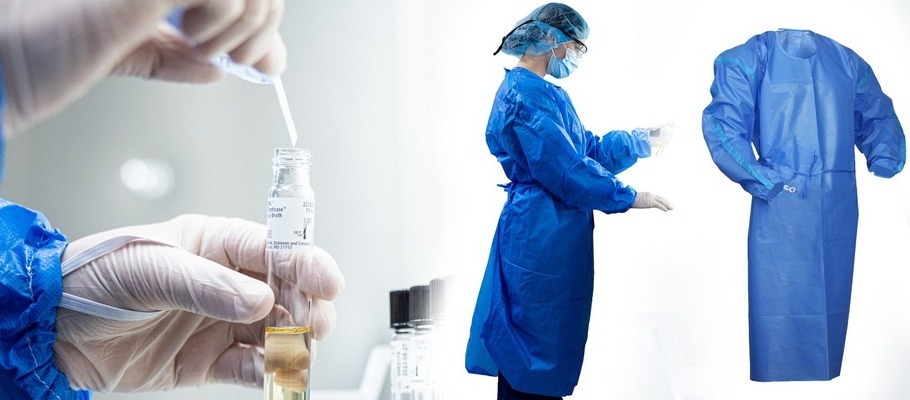
Gowns do two things: protect the worker and stop contamination from spreading. Material selection matters. So does how consistently they’re used.
Review these items for your facility:
- Are gowns disposable and made from low-permeability material? Fabric or unrated gowns aren’t appropriate for USP 800 environments. Chemo gowns designed for hazardous drug handling meet the standard’s barrier performance requirements.
- Do gowns fully cover the arms and torso, with secure closures at the back, wrists, and neck? Coverage gaps create exposure risk. Verify the gowns in use actually meet the USP 800 garment requirements for your tasks, not just your general category.
- Are gowns changed at required intervals or after contamination? Reusing a gown between tasks or wearing it past its intended period introduces risk. Define change points in your protocols and enforce them.
- Are gowns appropriate for the exposure risk of the specific task? Higher-risk activities like hazardous drug compounding may need a higher-rated gown than transport or administration.
- Are gowning practices consistent across all shifts? Inconsistent technique is one of the most common gaps flagged during inspections. Observe actual practice, not just what’s documented.
Additional PPE
Some tasks need more than gloves and gowns. Whether the right additional PPE is actually being used is a separate question from whether it’s available.
Review these items for your facility:
- Is eye and face protection in use when there’s a splash or exposure risk? Compounding tasks involving liquids, open containers, or aerosol risk require sterile goggles or face shields. This is often the first item dropped during lower-acuity tasks.
- Are masks or respirators used when the process or risk level requires them? The right respiratory protection depends on the specific hazard. Your SOPs should identify when a sterile face mask is sufficient and when a respirator is required.
- Are sleeve covers or other accessories used where the task requires it? For some tasks, sleeve protectors or shoe covers are required. Confirm staff understand when they apply and are using them consistently.
- Is additional PPE accessible at the point of use? PPE that requires a trip to retrieve it tends not to get used. In high-throughput environments, proximity matters.
PPE Use and Workflow
Having the right PPE isn’t enough if it’s not used correctly. This section is where most real-world gaps show up, not in product selection, but in day-to-day practice.

Review these items for your facility:
- Are donning and doffing steps clearly defined and actually followed? Sequence matters as much as product selection. Improper doffing procedures are among the most common routes of self-contamination. If it’s not observed and reinforced, it drifts.
- Are PPE changes happening at the right transition points? Before entering the cleanroom. After handling hazardous drug containers. Before leaving the area. These need to be documented and observed, not just assumed.
- Are protocols consistent across shifts? Day/evening variation is a real compliance risk. If what happens at 2 PM differs from what happens at 10 PM, that’s a gap.
- Is PPE use reinforced through observation, not just training completion records? Signing off on training isn’t the same as verified competency. The programs that hold up in audits combine initial training with scheduled observation and documented retraining.
- Are disposal practices aligned with hazardous drug handling requirements? Used PPE from hazardous drug areas is managed as hazardous waste. Confirm your disposal procedures are current and followed consistently.
Common Gaps Teams Run Into
Most PPE-related compliance issues aren’t about having the wrong product. They’re about consistency. Here’s what shows up most often:
- The PPE technically meets the requirement. The usage doesn’t.
- Gloves aren’t changed often enough during extended compounding sessions. It’s uncomfortable and disruptive, but the interval exists for a reason.
- Gowns get worn past their intended use period, especially during busy stretches.
- Eye and face protection gets skipped for tasks that feel lower risk. That’s usually where incidents happen.
- Training gaps between new staff and experienced staff, or between day and evening operations.
None of this is unusual. The point of a checklist like this is to surface it before someone else does.
How to Use This Checklist
- Use it during internal audits or compliance reviews to confirm that current practices align with your written protocols.
- Use it when evaluating your current PPE products and suppliers to verify the items in use are appropriate for each task.
- Use it for training refreshers to walk staff through expectations and find gaps in practice.
If you’ve got questions about USP 800 compliance or which PPE products meet requirements for your specific environment, our team can help. Cleanroom Connection carries chemo-rated gloves, disposable chemo gowns, eye and face protection, and other disposable PPE for compounding pharmacy and controlled environments.
Submit your product list for a quote at cleanroomsupplies.com and receive pricing within 30 minutes.
Frequently Asked Questions
What PPE is required under USP 800 for hazardous drug compounding?
USP 800 requires chemotherapy-rated gloves (double-gloved), a disposable low-permeability chemo gown, and eye or face protection when splash risk is present. Your facility’s SOPs should define the specific requirements for each activity.
Does USP 800 require double gloving?
Double gloving is required for most hazardous drug compounding activities under USP 800. The requirement can vary depending on task and risk level, and single-glove protocols should be reviewed against current USP 800 guidance.
Can gowns be reused during a shift for hazardous drug handling?
Gowns used during hazardous drug handling are not intended for reuse. Change points — whether at a task transition, after contamination, or at a defined interval — should be specified in your facility’s protocols.
What type of gloves meets USP 800 requirements?
Gloves for hazardous drug handling must be tested for chemotherapy drug permeation resistance. Standard examination gloves don’t meet this standard. Cleanroom Connection stocks chemo-rated nitrile and other glove options appropriate for USP 800 environments.
How often should PPE practices be reviewed?
There’s no single mandated frequency, but the best programs combine initial training with periodic observation and scheduled retraining. A structured checklist used during routine internal compliance audits is a practical way to keep practices consistent.